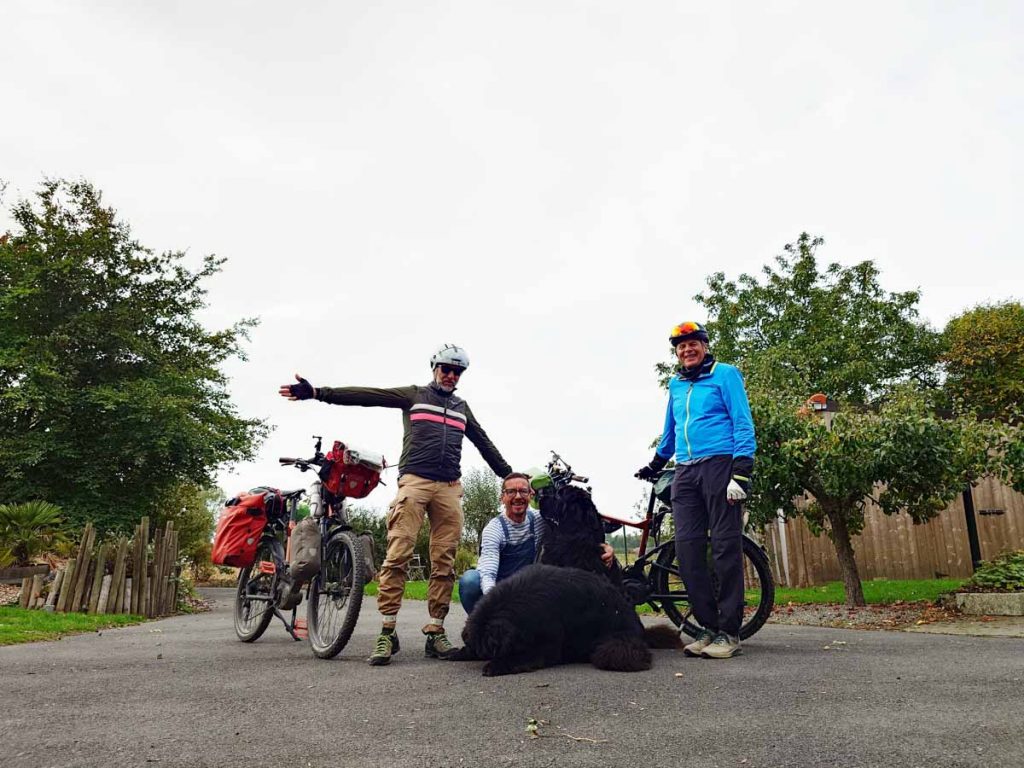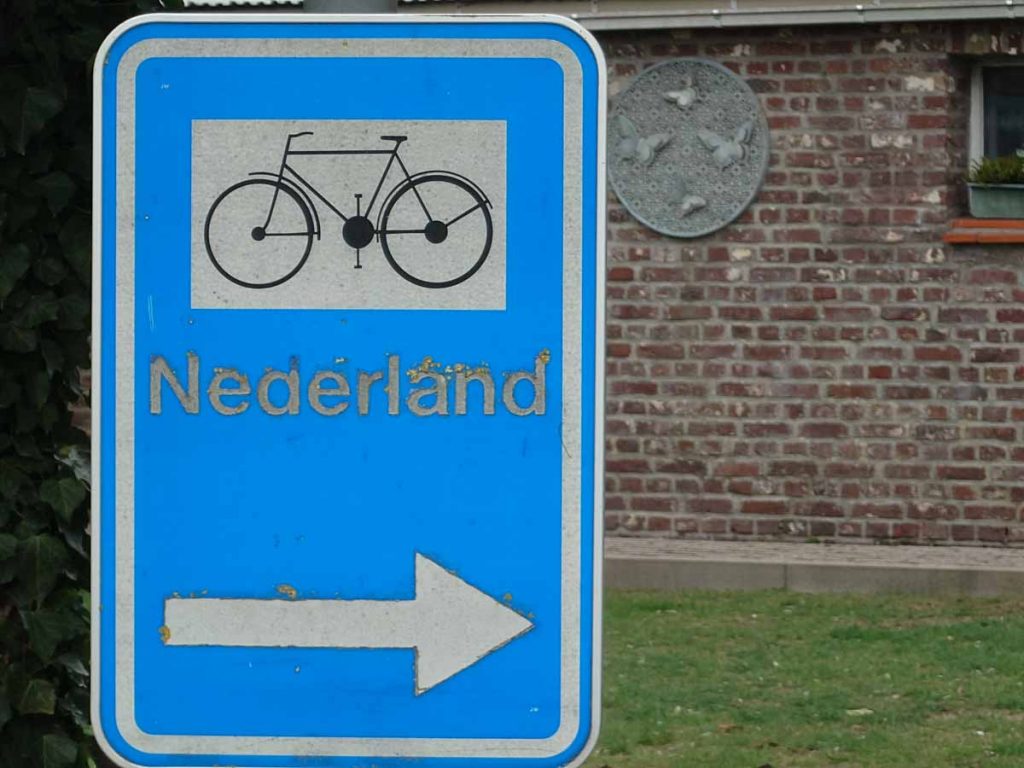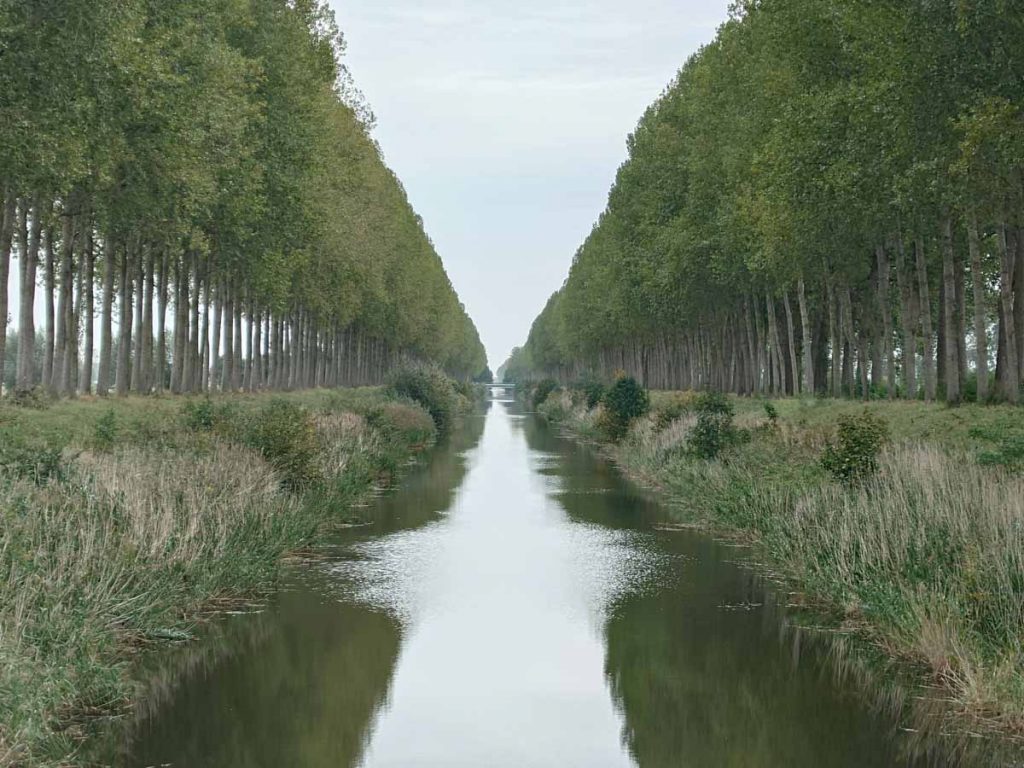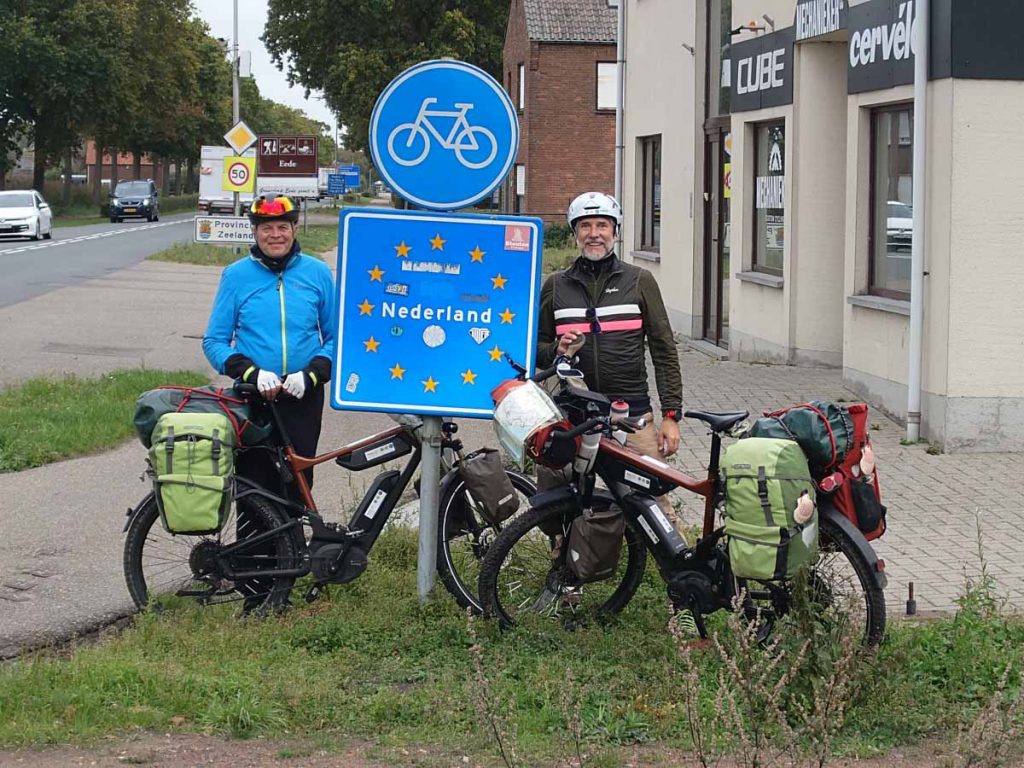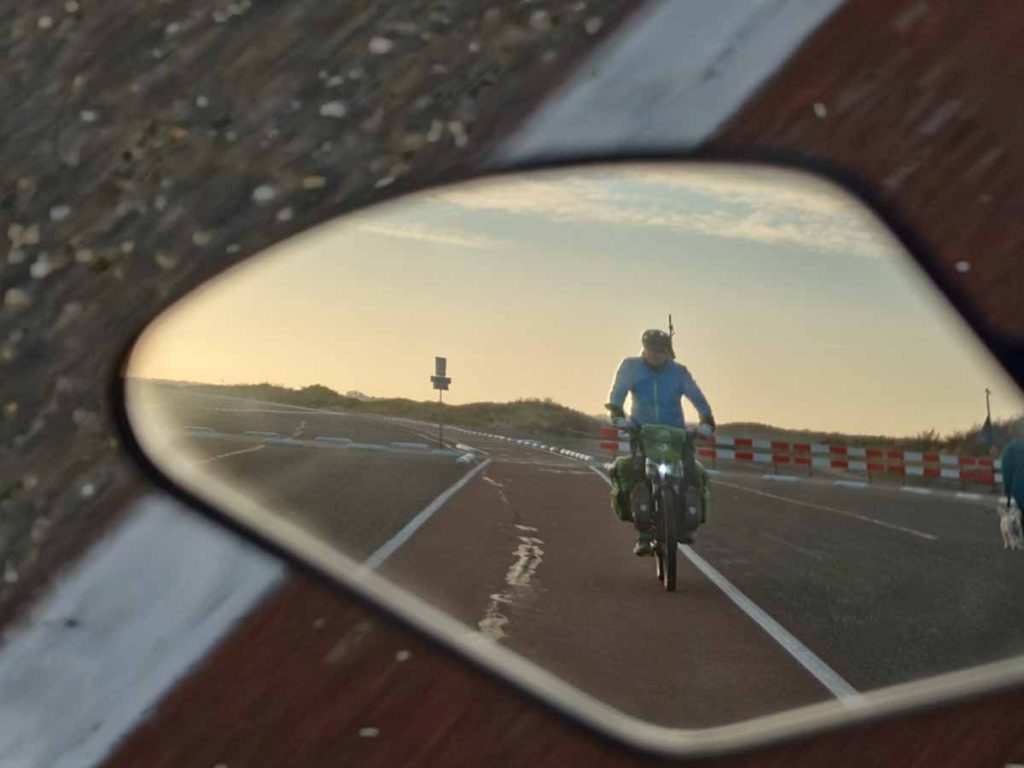
As you couldn’t get around these huge Newfoundlanders of Pim, we had to take at least a selfie together with them before leaving after breakfast. From Maldegem the border with the Netherlands is not really far, and it was very amusing that we were not only reaching the bikers paradise, but the first building directly at the border was even a bike shop. The only disappointing thing was they didn’t have a rear mirror as replacement for Robert’s broken one.
During my speeches about climate change and the advantage of investing in a good bike infrastructure the Netherlands were once criticised as an unfair example, because it’s only flat and biking therefore much easier than for example in the Swiss Alps. But looking at the rates of e-bike sales going up I can only take this argument as a bad excuse to stay in a car. Even the issue of bad weather is not an argument for me, because they can have a lot of rain and storm in the Netherlands and they still continue to bike even in the winter.
The Dutch have just a healthy attitude to their everyday life and enjoy not only the freedom on bikes, but also the social factor it brings into communities where you can meet even the mayors or ministers on a bike when you cycle to the market place. What makes the difference when biking in the Netherlands is that they understood the factor of speed a bike brings into the traffic, which lies just in between the pedestrian and the car.
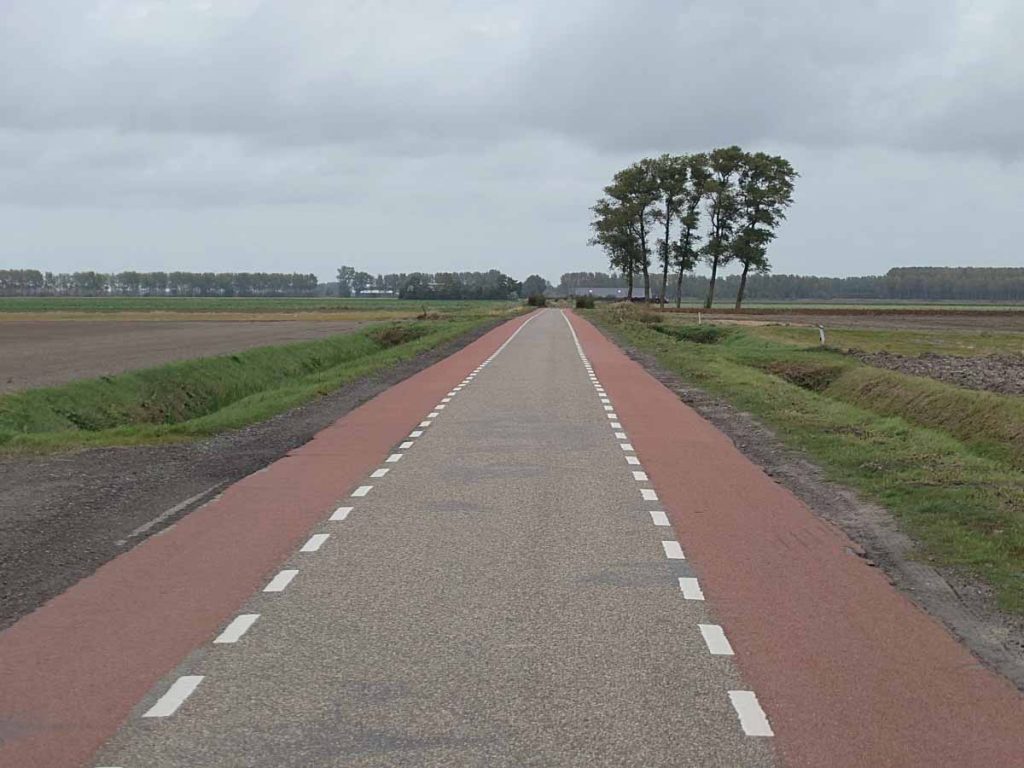
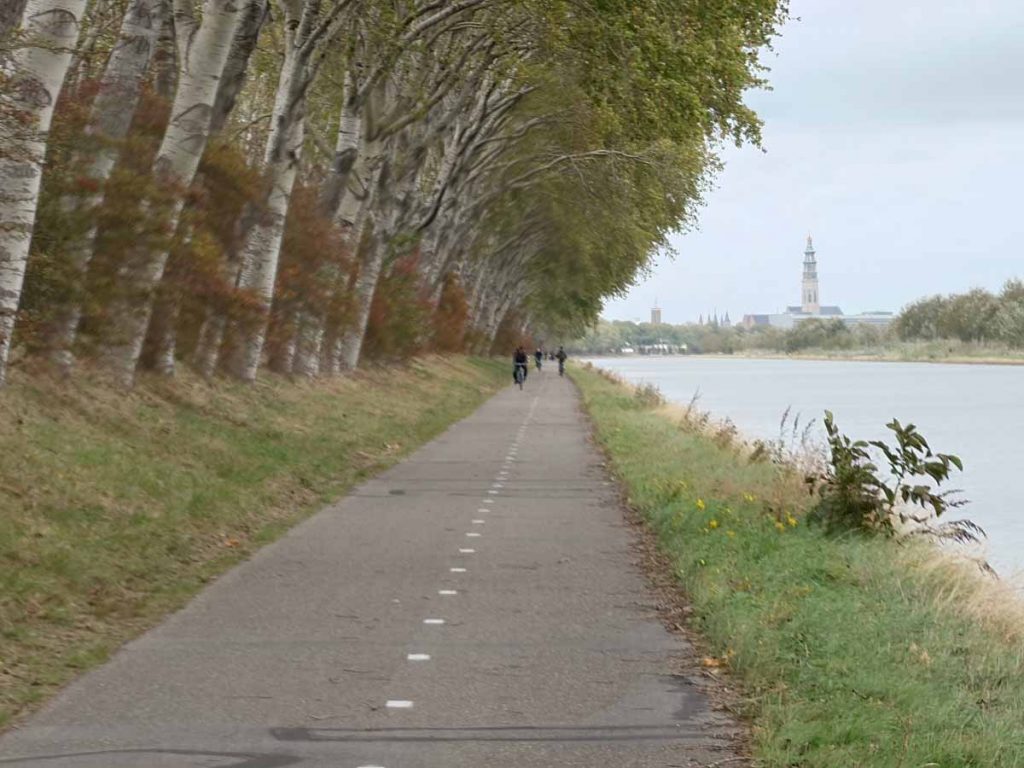
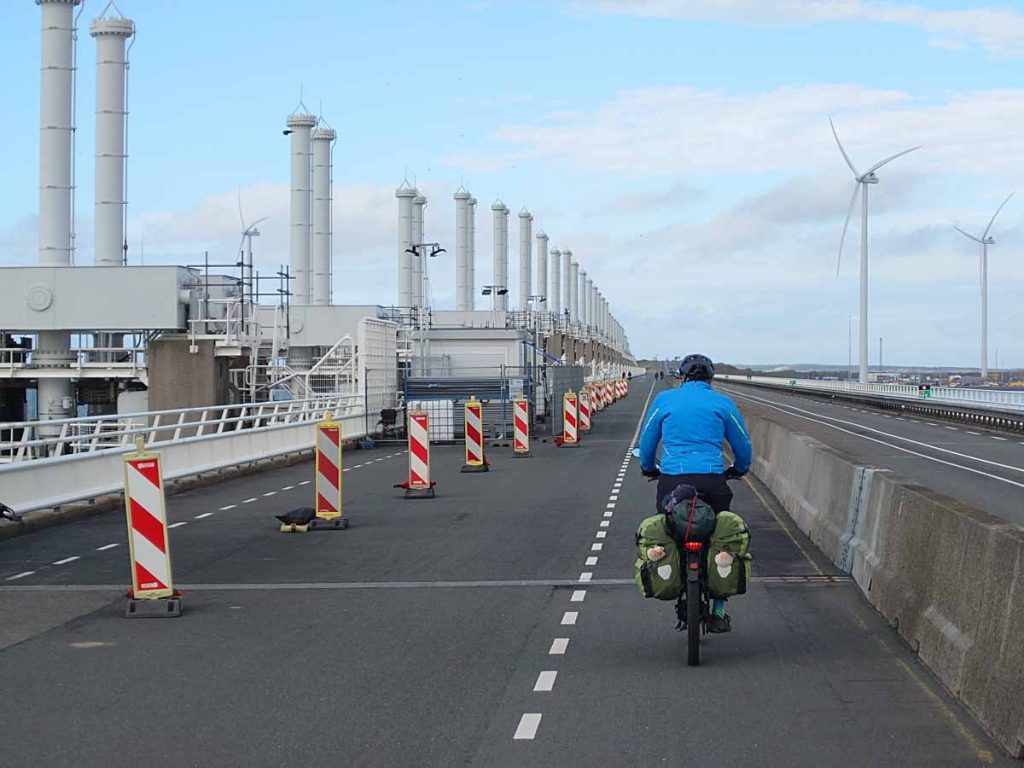
The Dutch understood that it doesn’t make sense to just add some paint on a road with a red bike lane symbol and expect it to function in parallel with the faster car traffic. They consistently separate the bike lanes from the roads to protect the bikers, and thereby make them more attractive for the young and old to feel safe and use them.
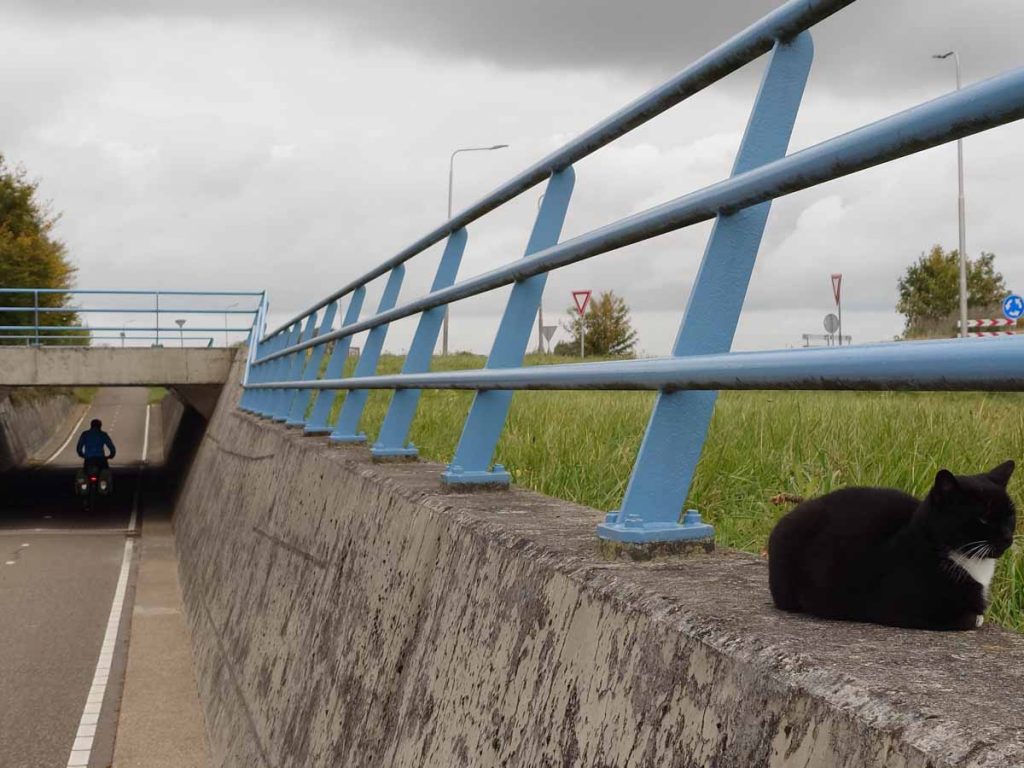
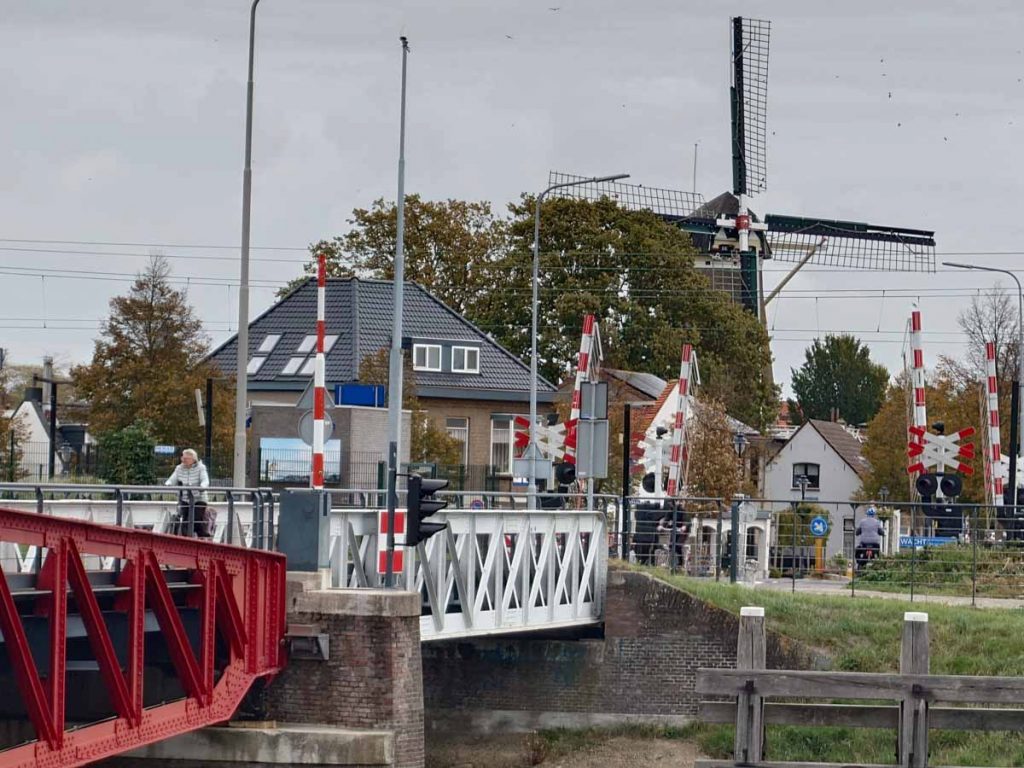
Coming from a car industry driven country like Germany you are confronted with a completely different mindset, because the automobile always comes first. Here in the Netherlands they keep the bike traffic in a flow by even building bridges and underpasses. I love the picture I took off a cat sitting relaxed at a busy road on the wall of a bike underpass, feeling safe. If they can’t avoid a crossing of cars and bikes, they usually give the bikers the right to pass before the cars, which slows down car traffic and teaches respect to the vulnerable road user.
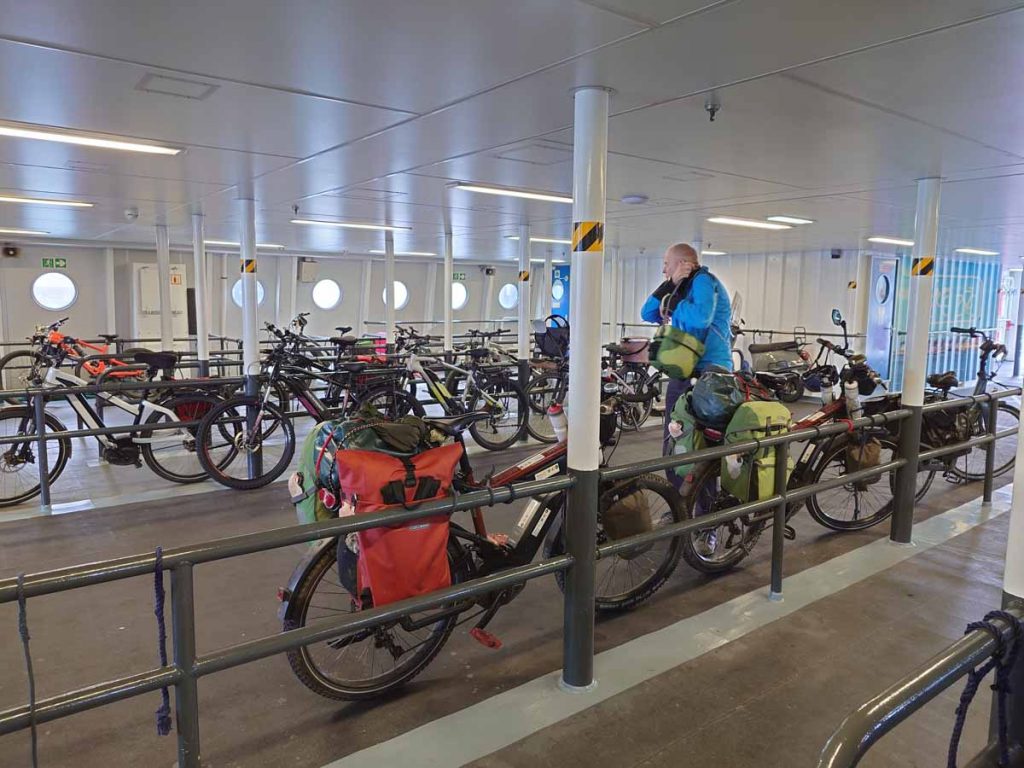
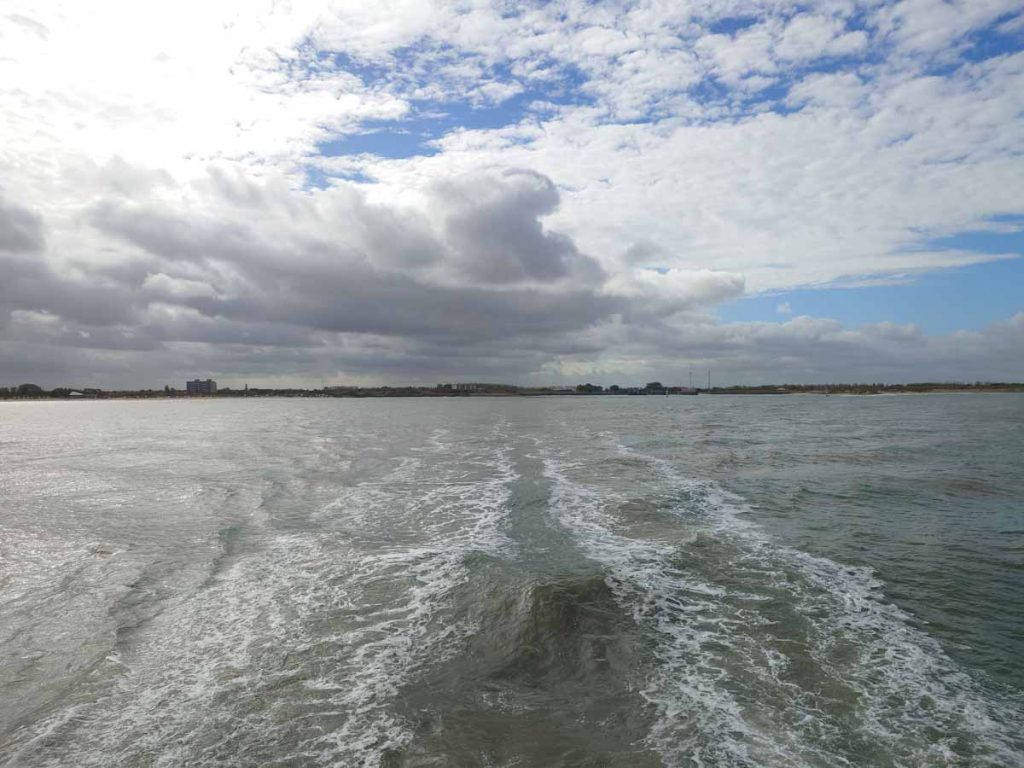
We used our waiting time for the ferry across the Westerschelde with a quick look at the little village of Breskens behind the dyke, to see if we could find a bike shop. We were successful and could mount a new rear mirror on Robert’s bike, and were back in time to catch the ferry to Vlissingen. On the ferry the space and railings offered for bikes showed that the “fiets” as the Dutch call their bikes influenced even their ship design. On the ferry they didn’t offer something to eat so we had a quick lunch at the ferry terminal in Vlissingen.
This country is one of the few that can say it was shaped by the wind, because they knew how to use it to gain land.
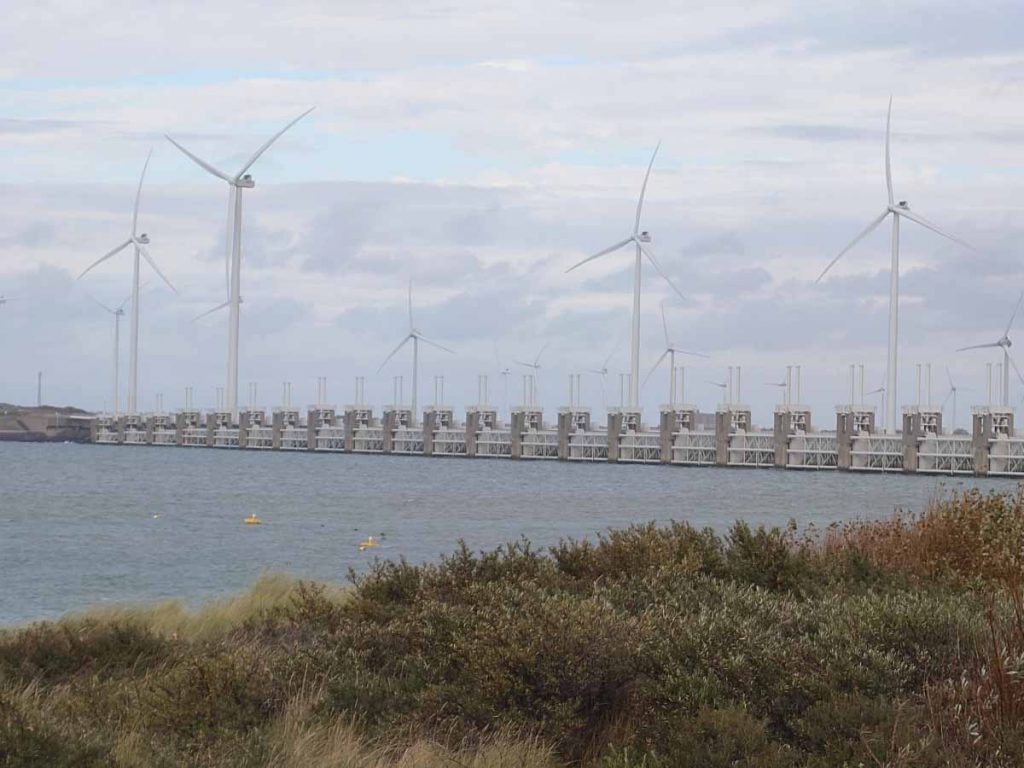
The Dutch used for centuries the energy of wind and built windmills all over the country not only to grind their grain, but mostly to pump water out of the marshlands to dry them and make them usable. In the 17th and 18th century there were about 9.000 windmills all over the country. So they gained polder by polder land from the North Sea. Nowadays you see modern windmills for gaining clean energy.
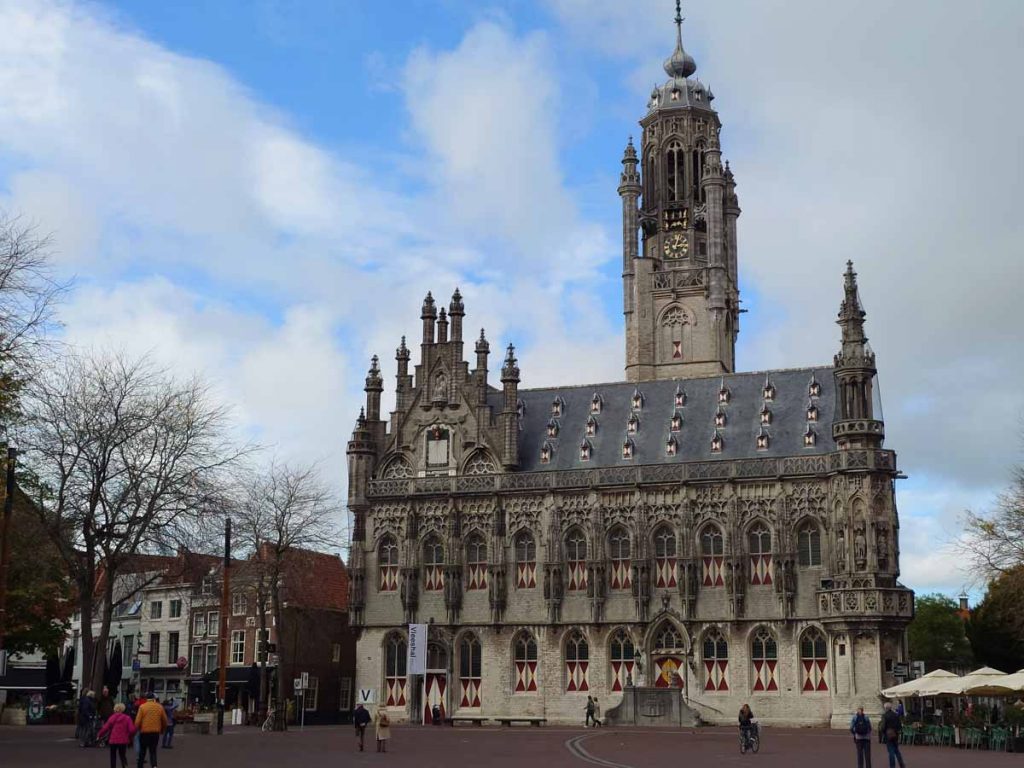
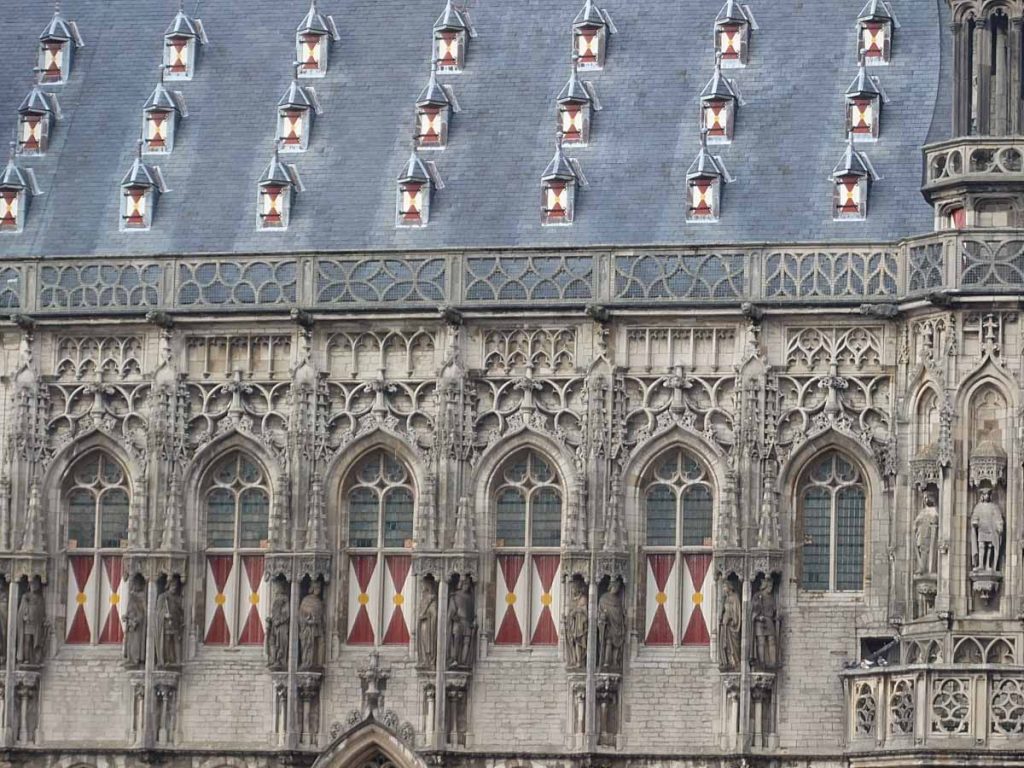
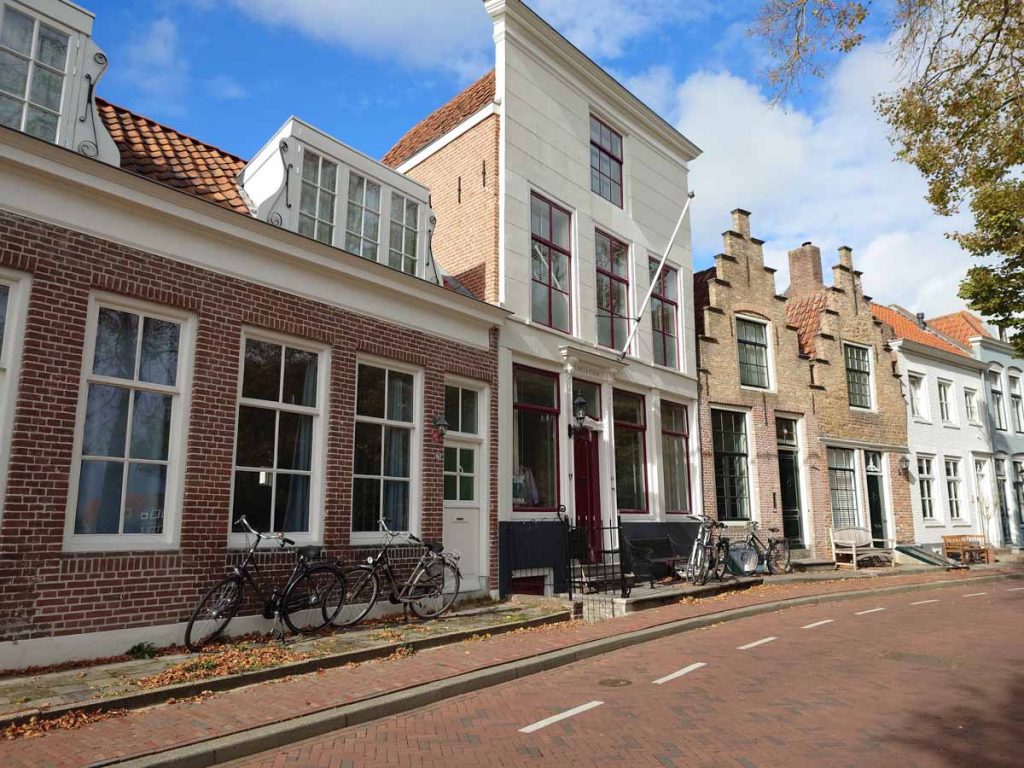
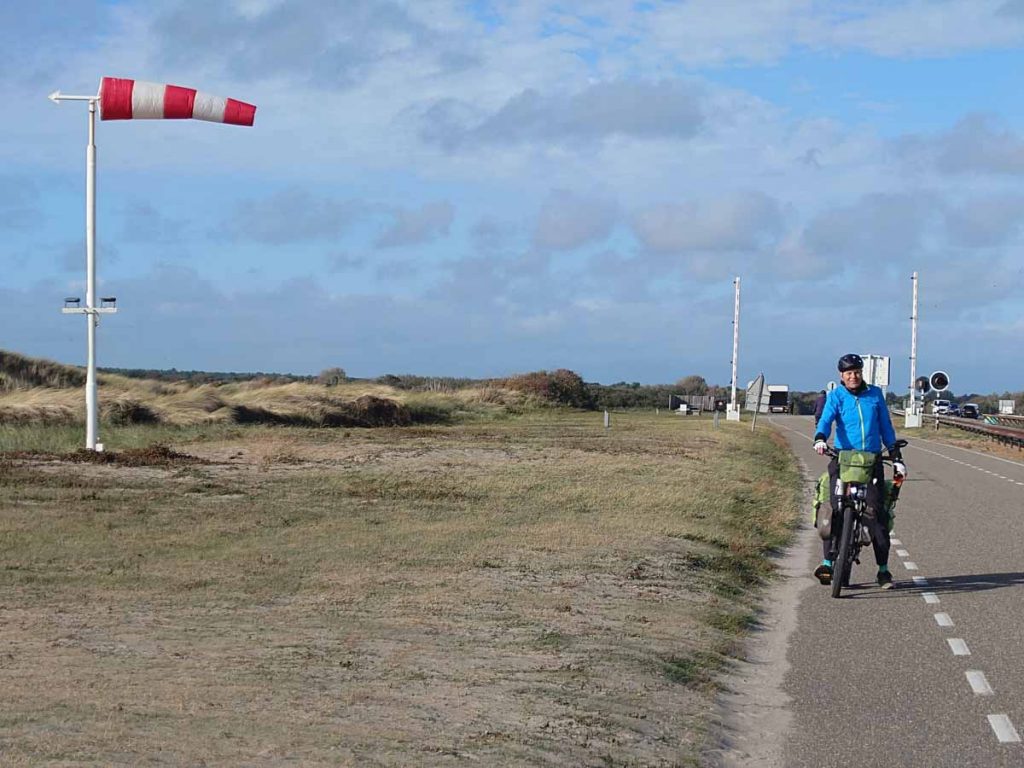
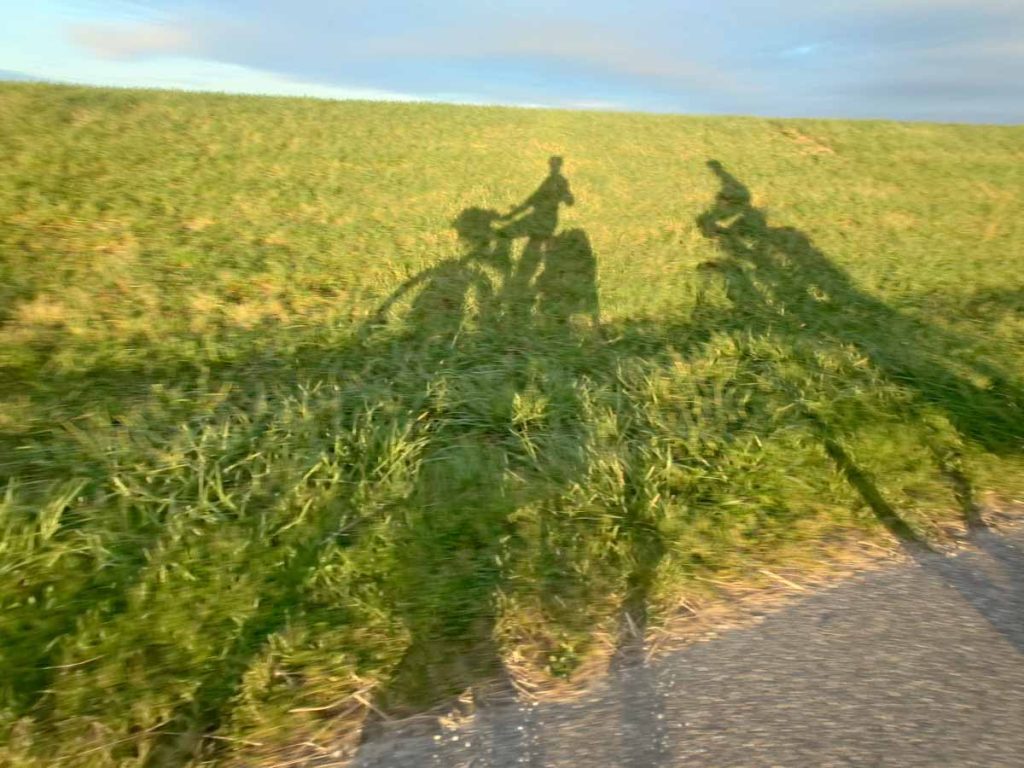
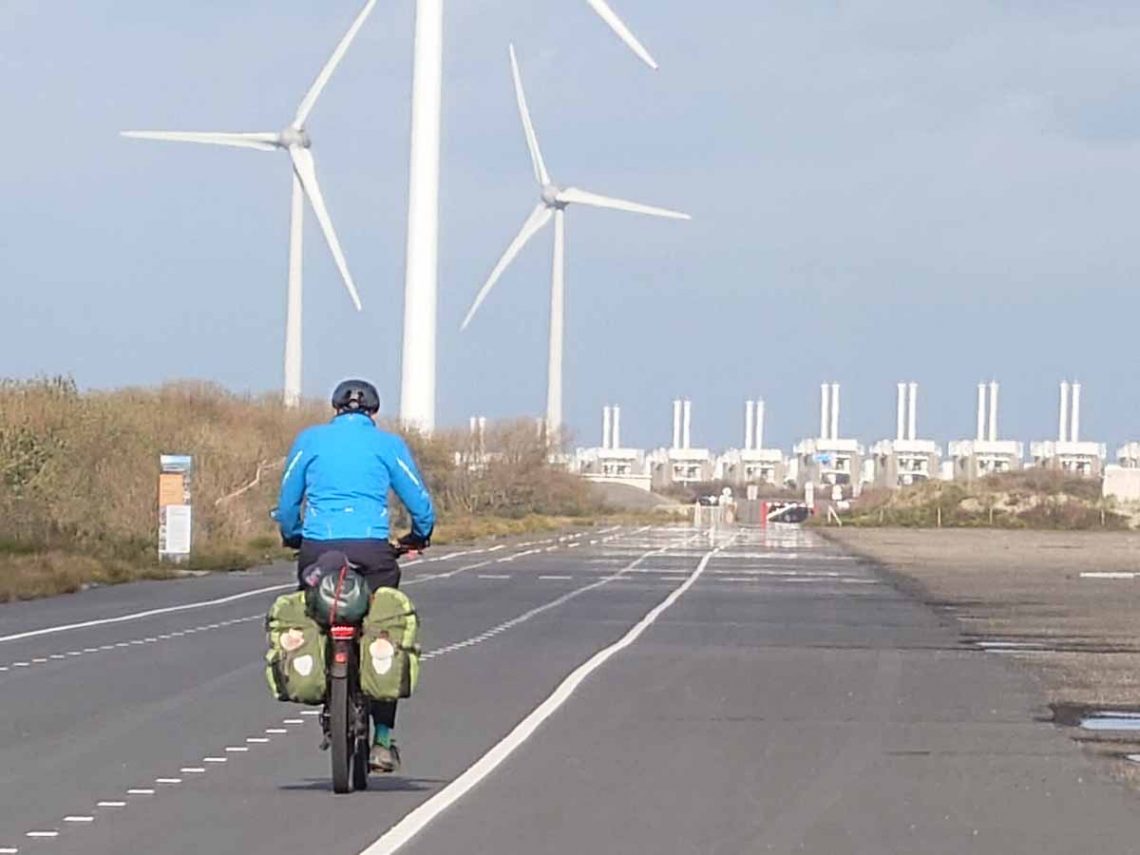
Considering wind energy we were also profiting of its advantage as we entered the Netherlands, as the westerly wind was continuously pushing us as a tailwind along the coast for free. We passed through the beautiful town of Middelburg before crossing the Oosterschelde. What once were all separate islands of Zeeland are now connected with dykes. The Oosterschelde dyke has sluice gates to allow the exchange of sea water, that can be closed in the event of a storm.
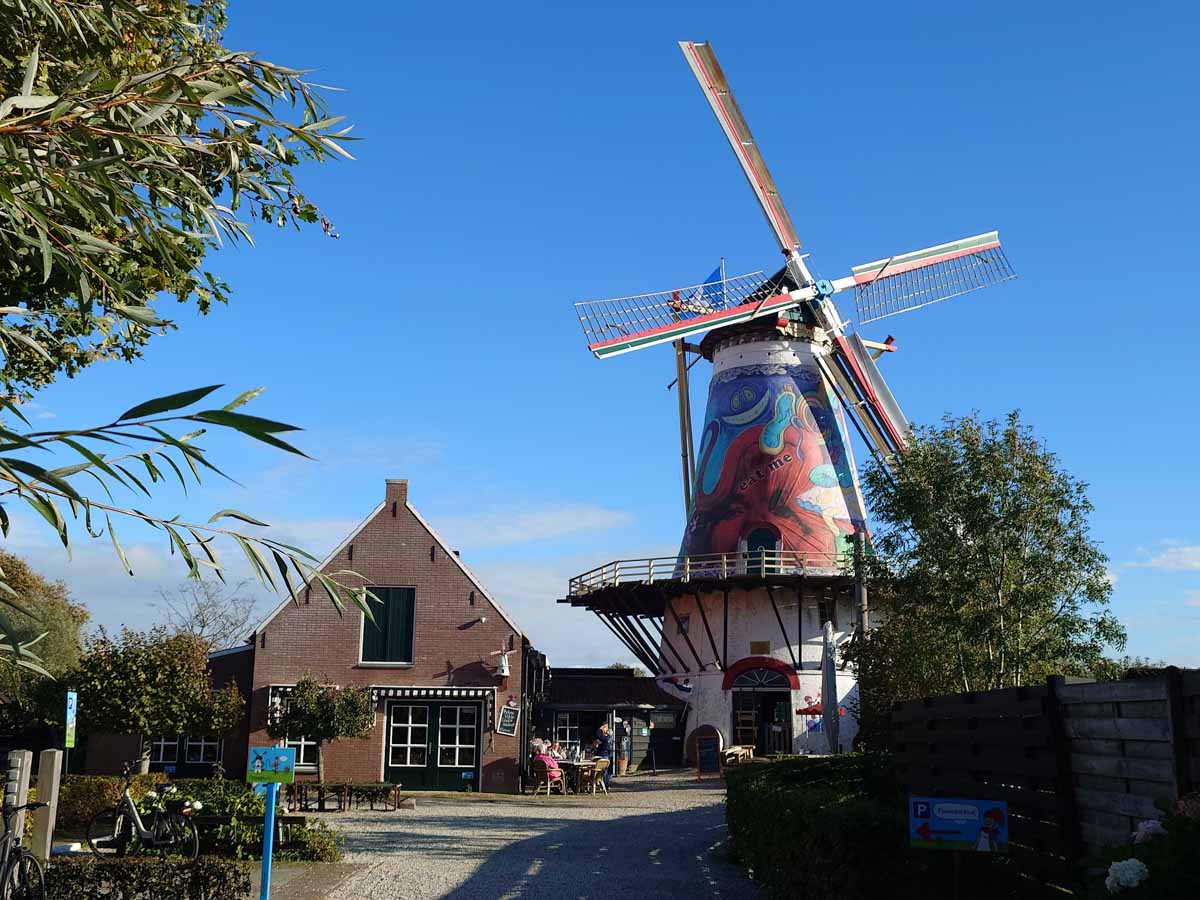
On the island of Schouwen-Duiveland we paused at De Pannekoekenmolen de Graanhalm a windmill producing its own flour and use it fresh for their pancake restaurant , where we enjoyed a Dutch pancake.
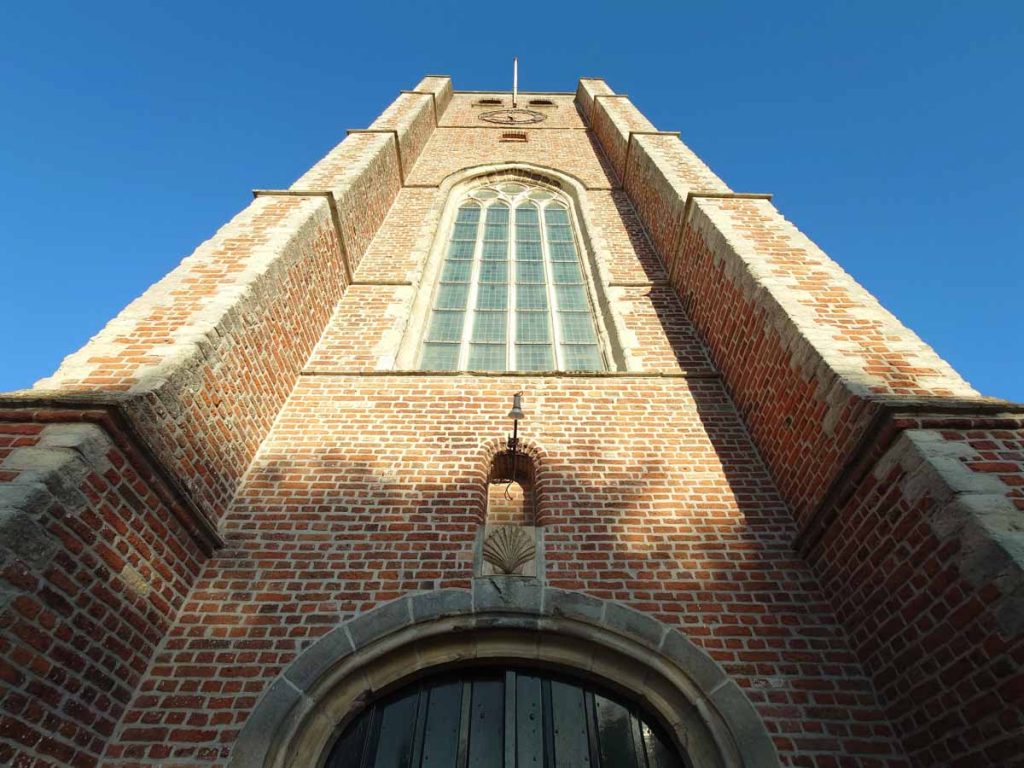
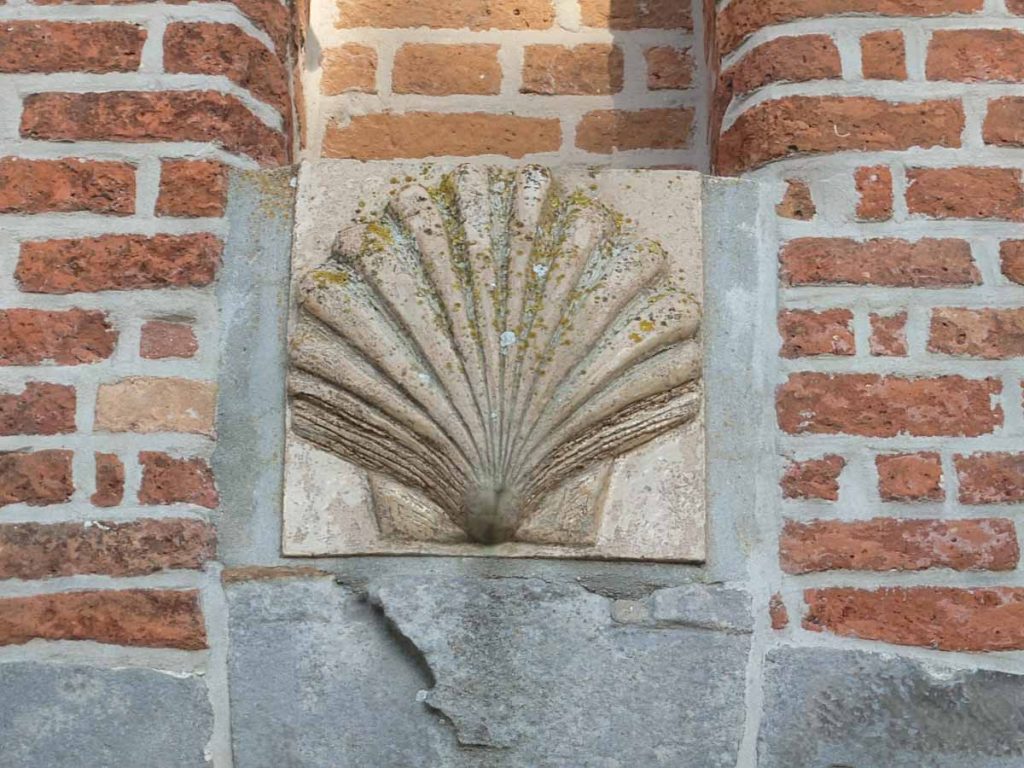
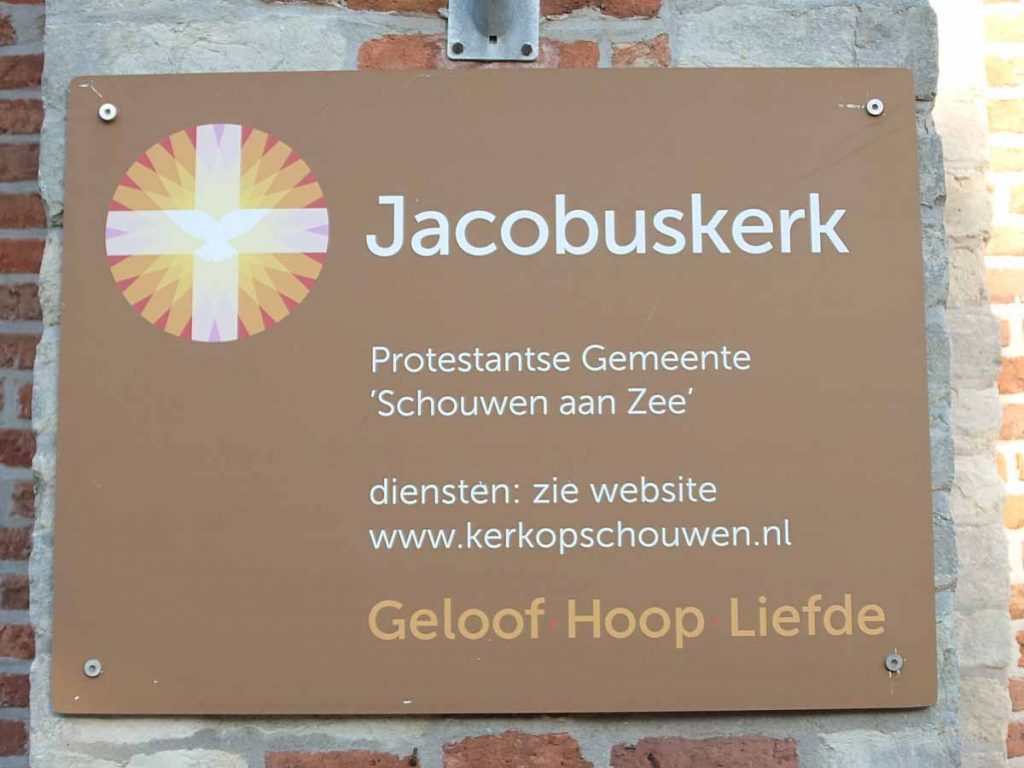
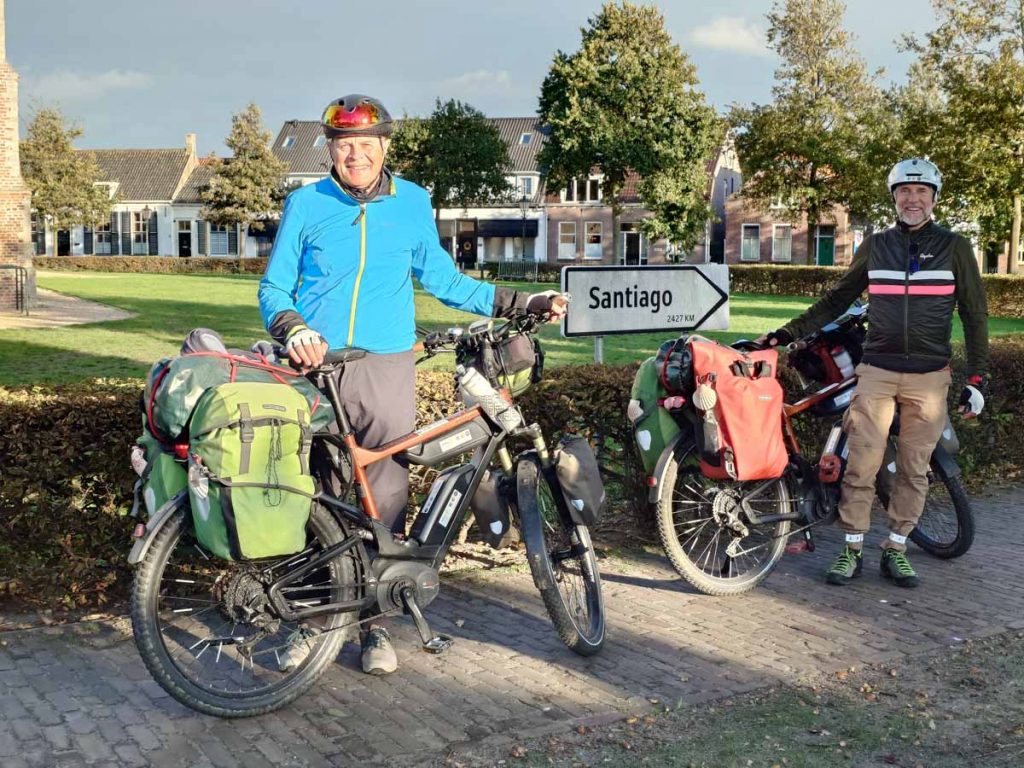
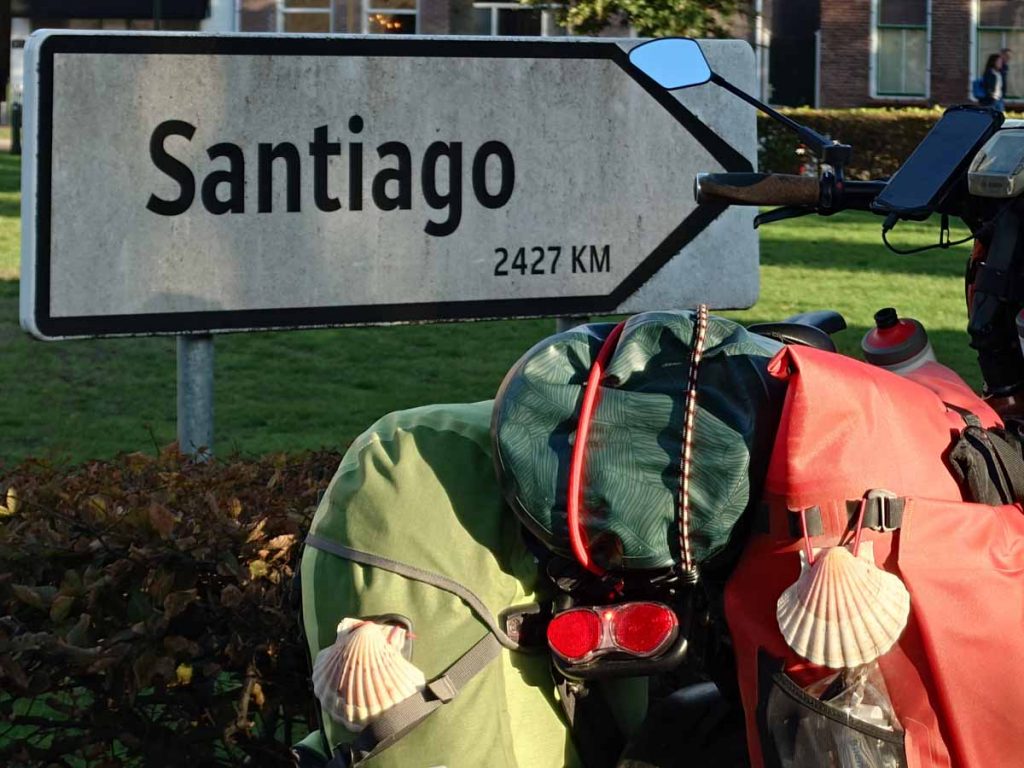
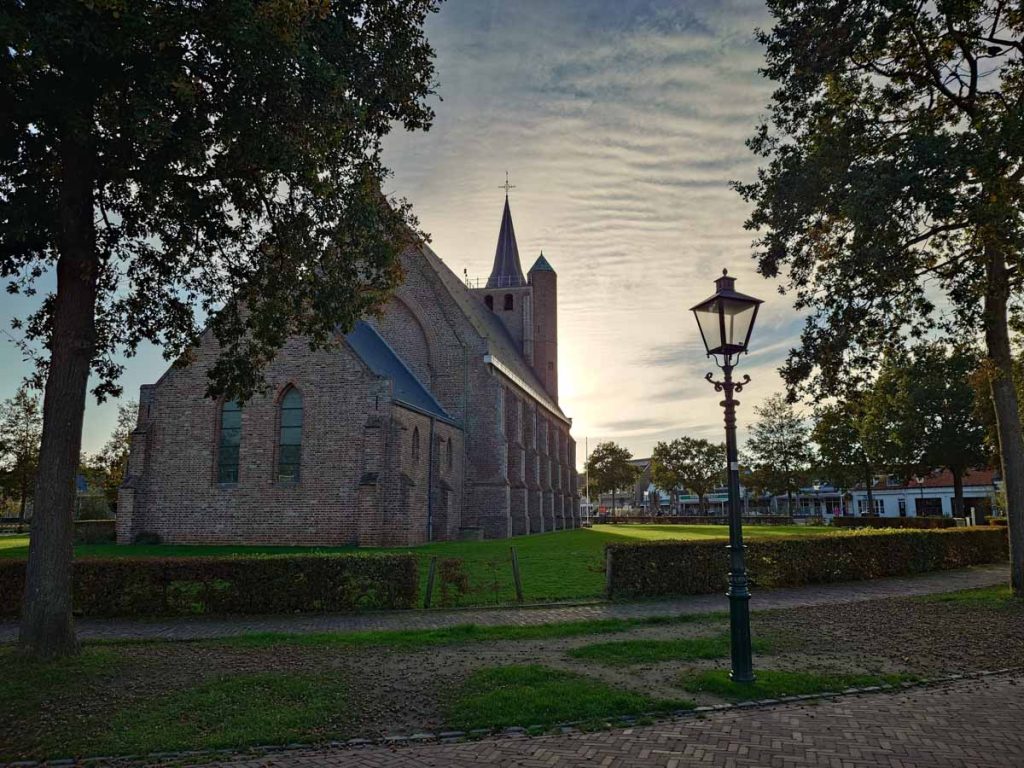
The next village was Renesse and it surprised us with an old “Jakobuskerk“ a gothic Saint James church built in the 16th century. Unfortunately it was already closed and we couldn’t get our stamp for the credentials, but at least they had set up a sign for pilgrims showing a distance of 2.427km to Santiago de Compostella.
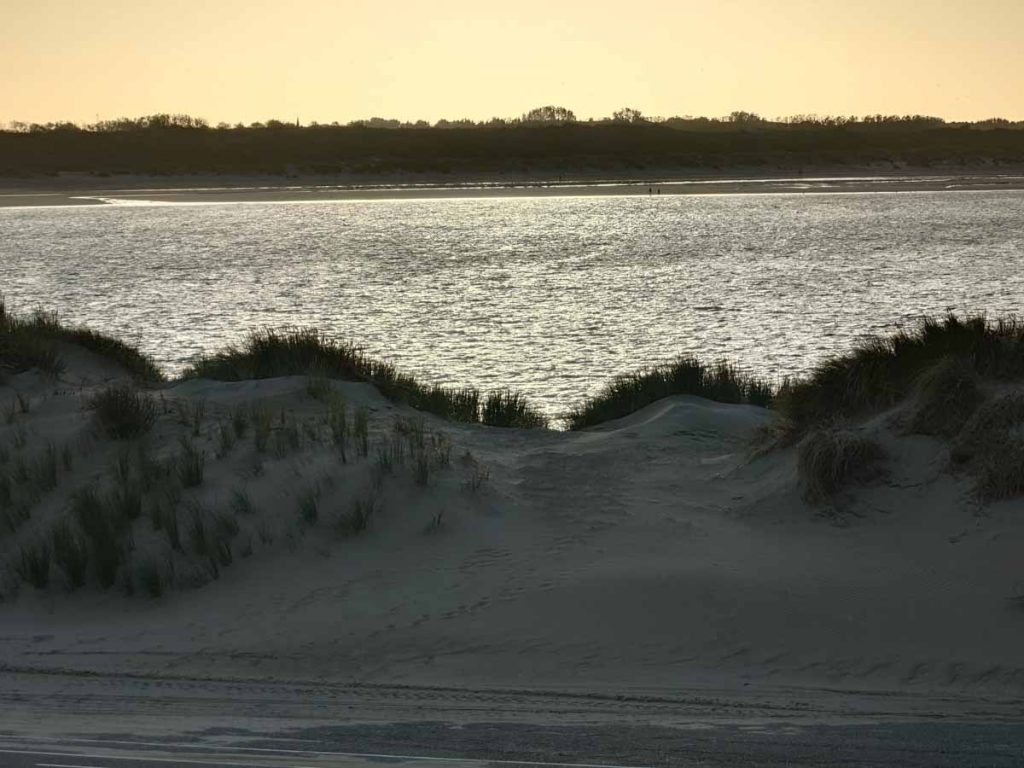
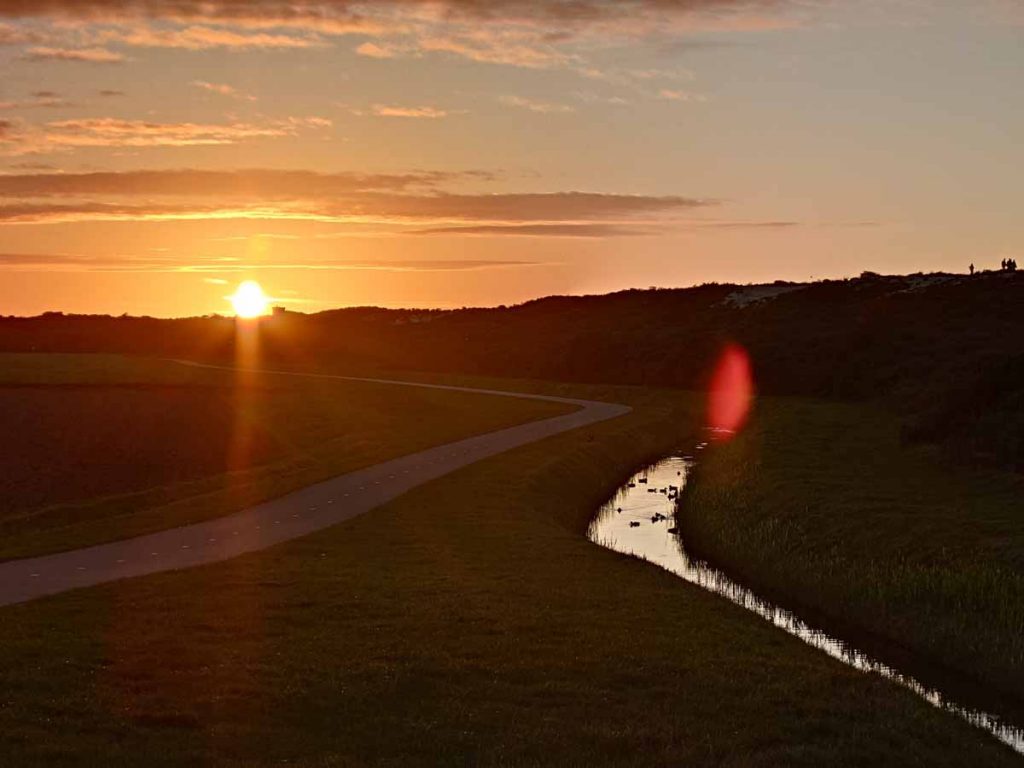
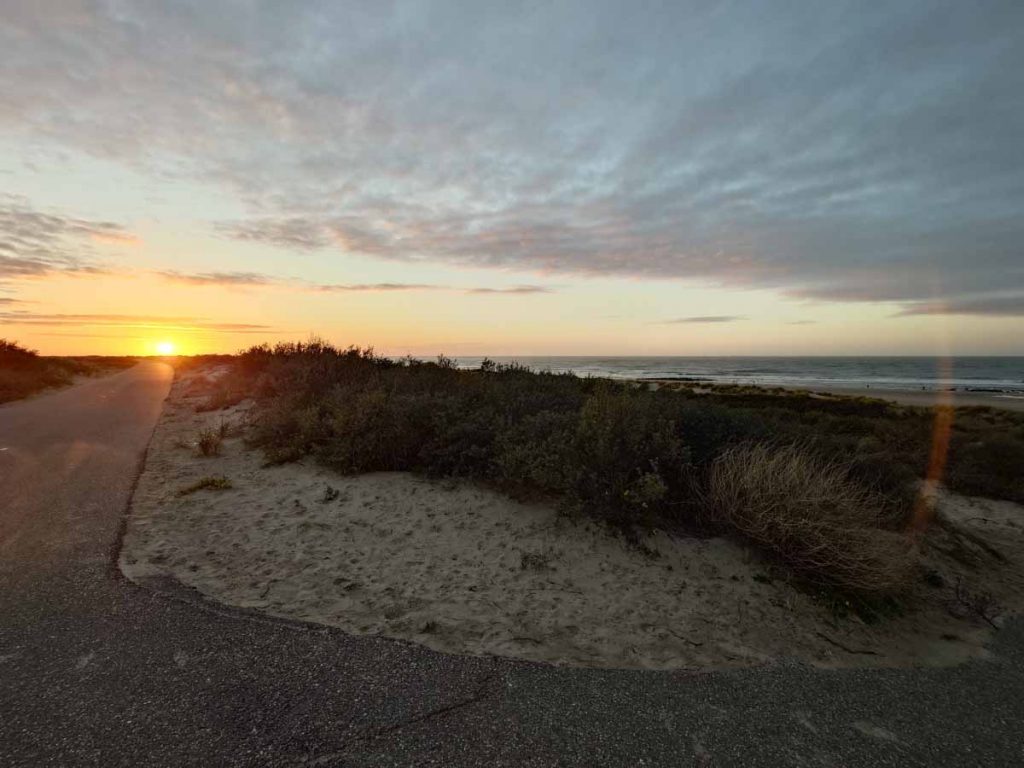
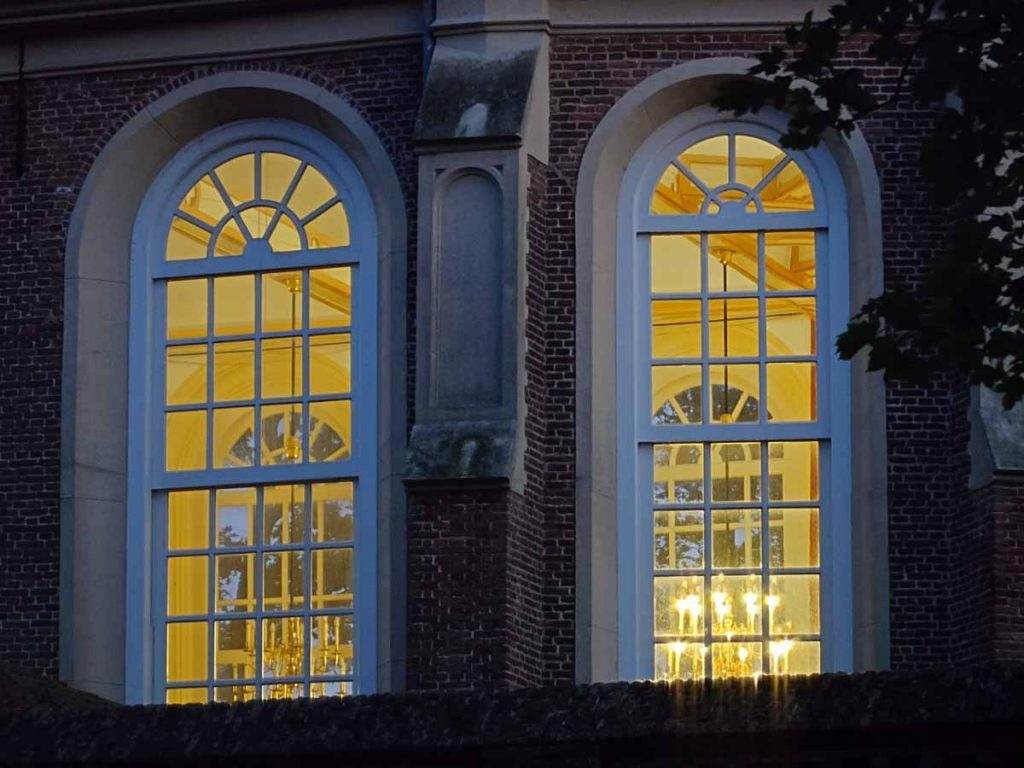
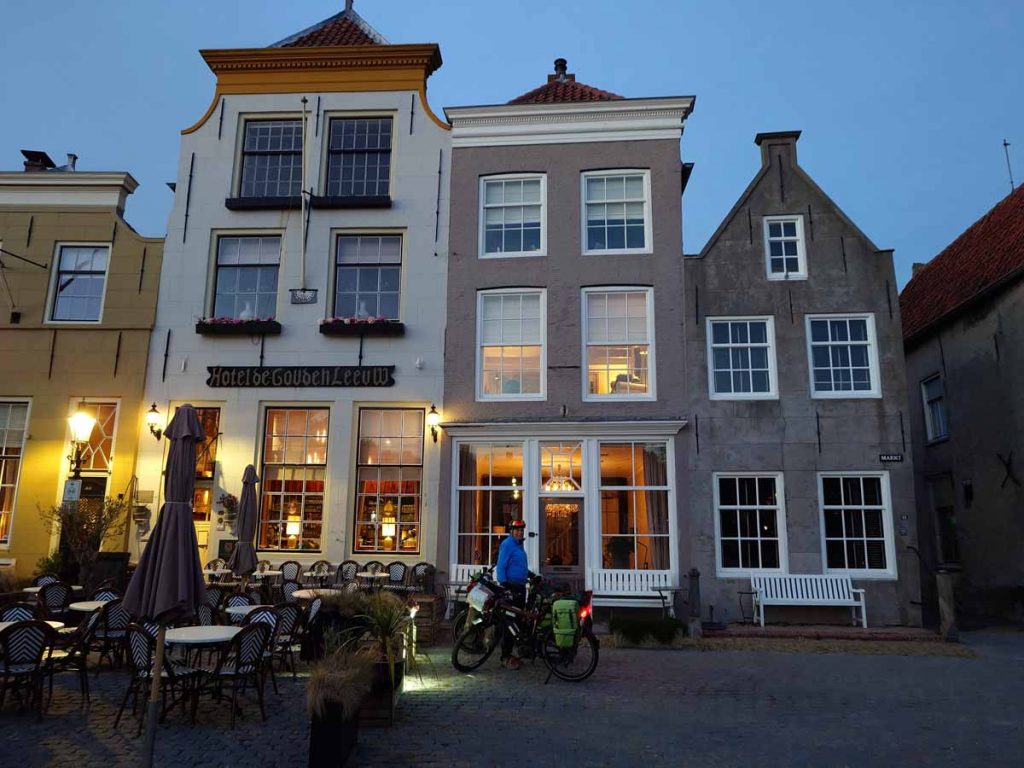
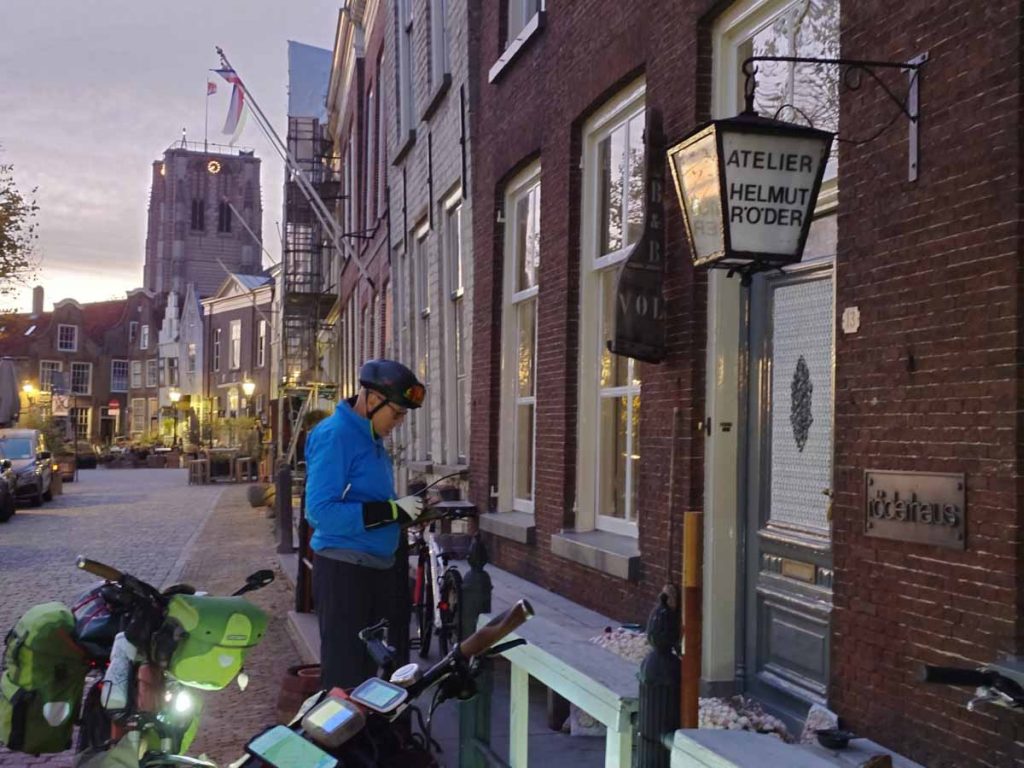
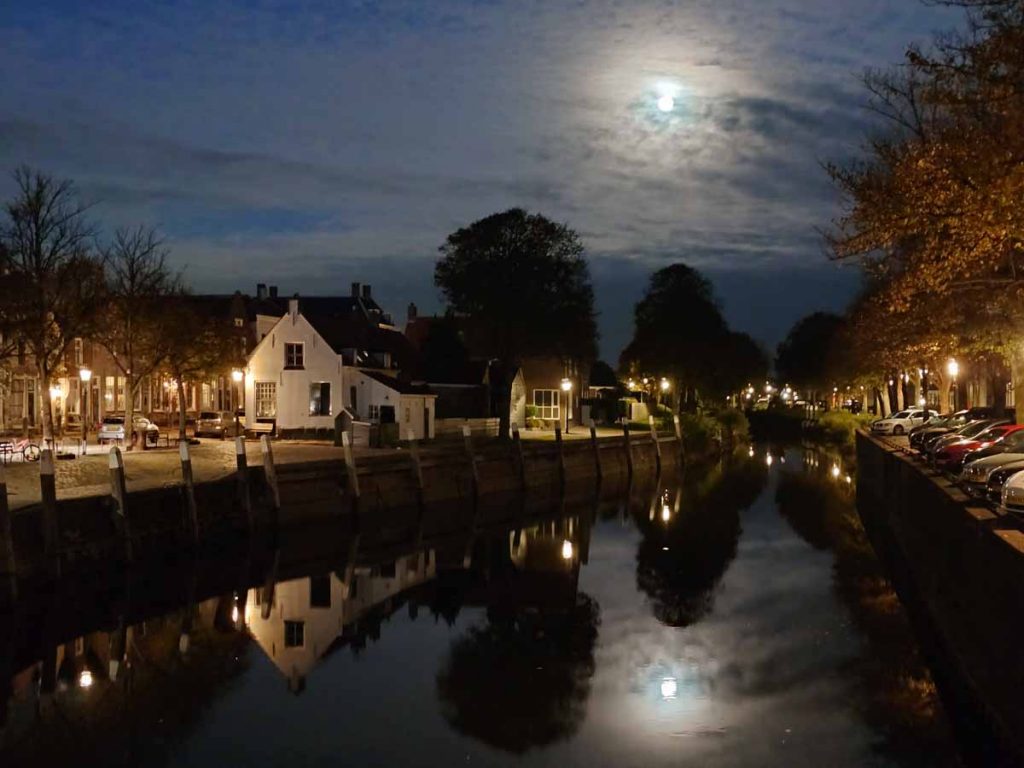
We crossed the border from the province Zeeland to the province South-Holland at the Brouwersdam , and rode into a beautiful sunset to arrive late in Goedereede, where we got a room in a beautiful historical B&B called the Röderhuis, which originally belonged to a known German artist. Everything was again like in a picture postcard and we had a nice dinner at “Gouden Leeuw” (Golden Lion) as the only guests.