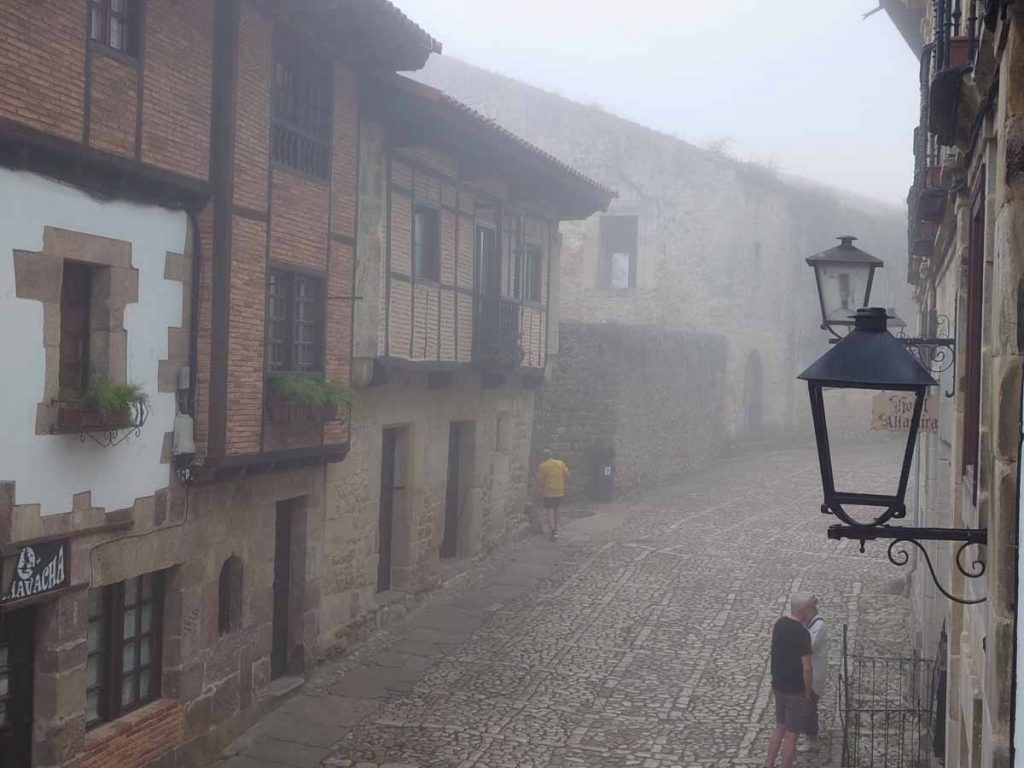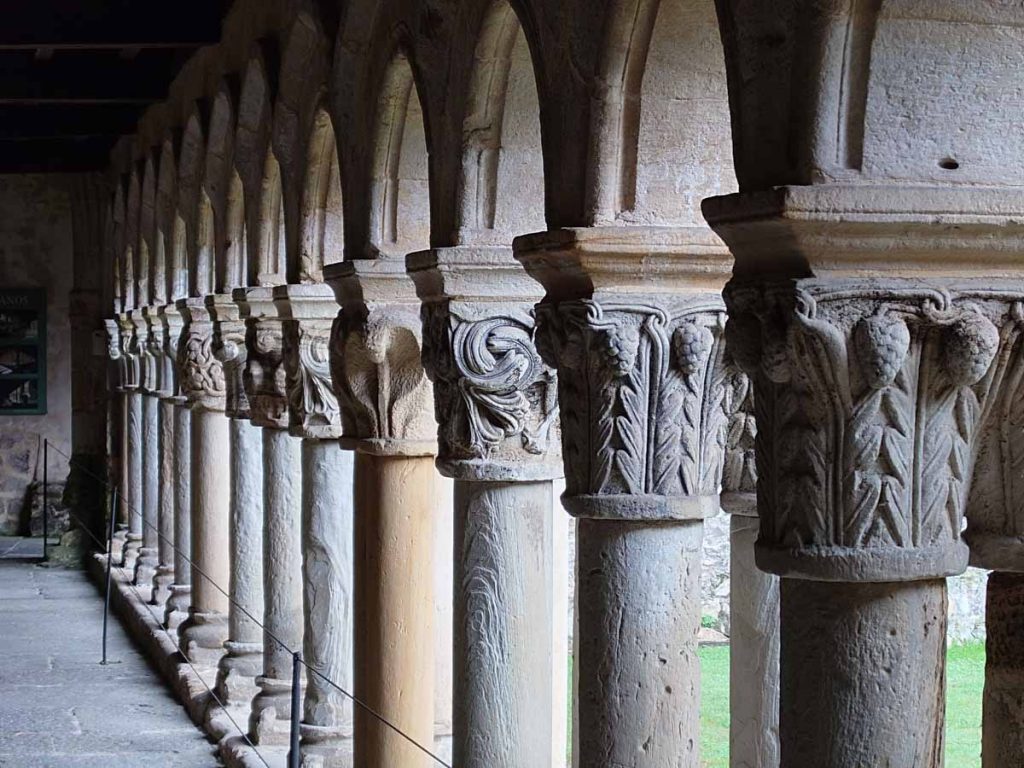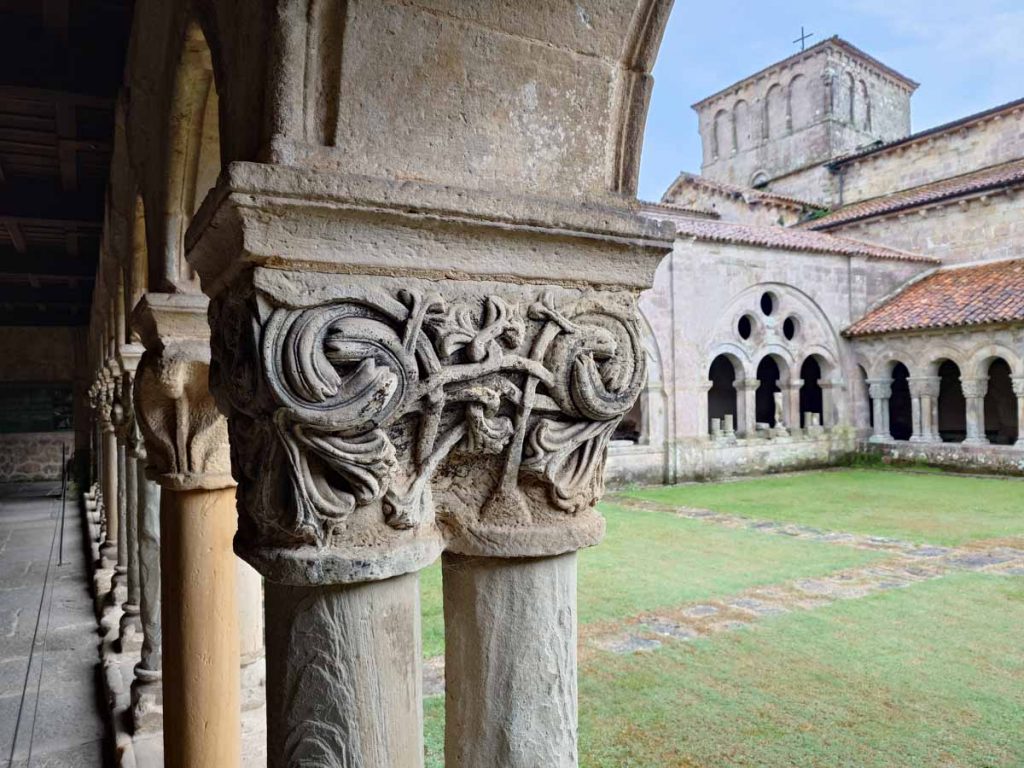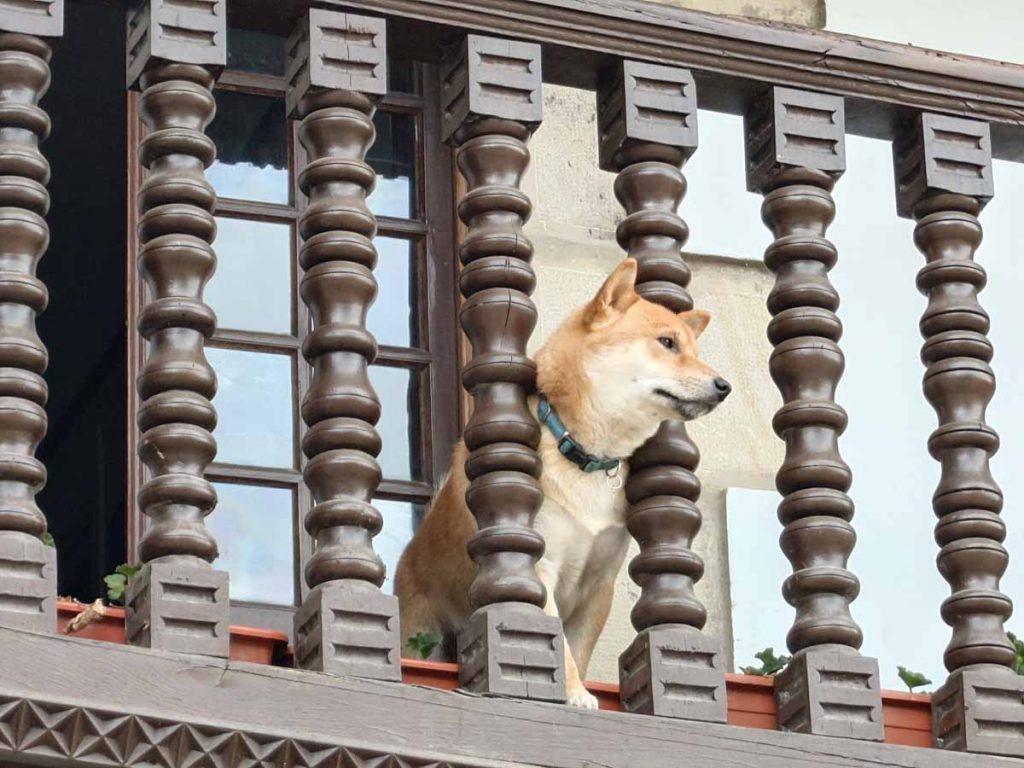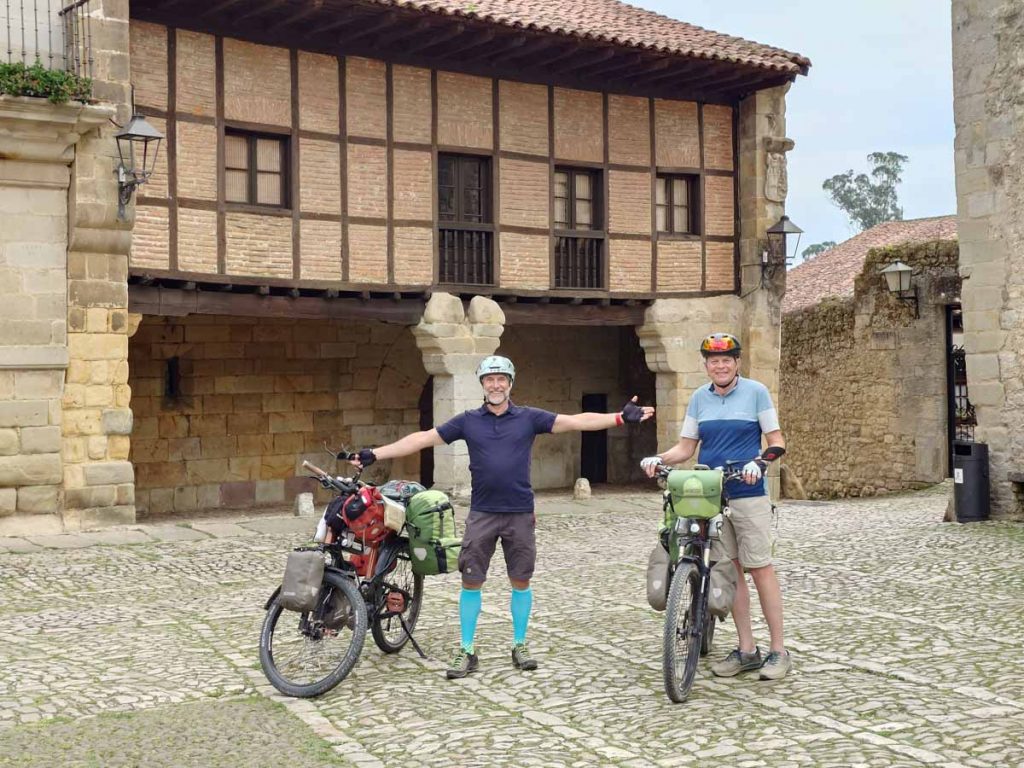
In the early morning dense fog moved between the buildings of Santillana del Mar and reminded us that in a few days the sun will be at the autumnal equinox. Before we left Santillana del Mar we still visited the Collegiata de Santa Juliana with its beautiful cloister.
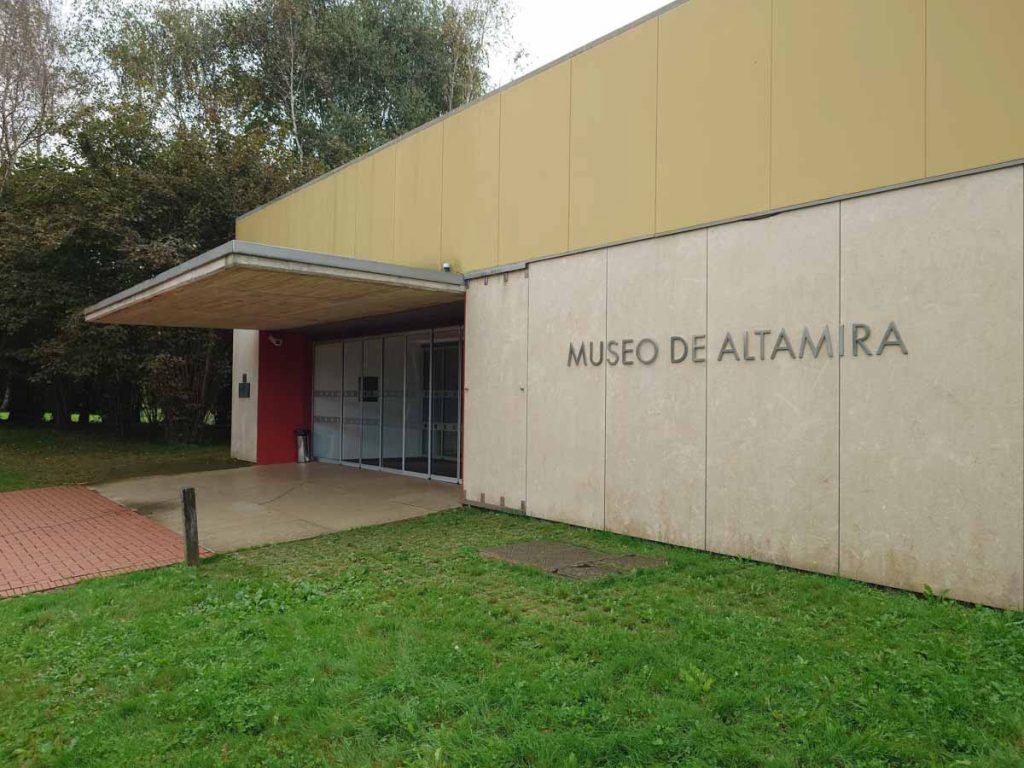
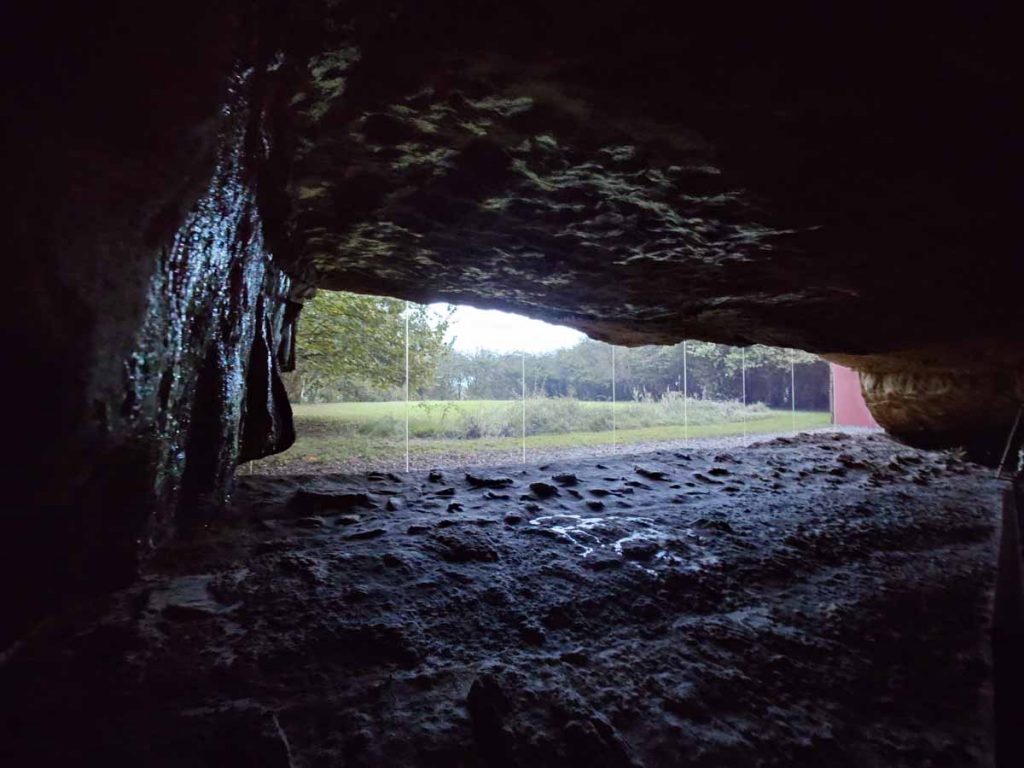
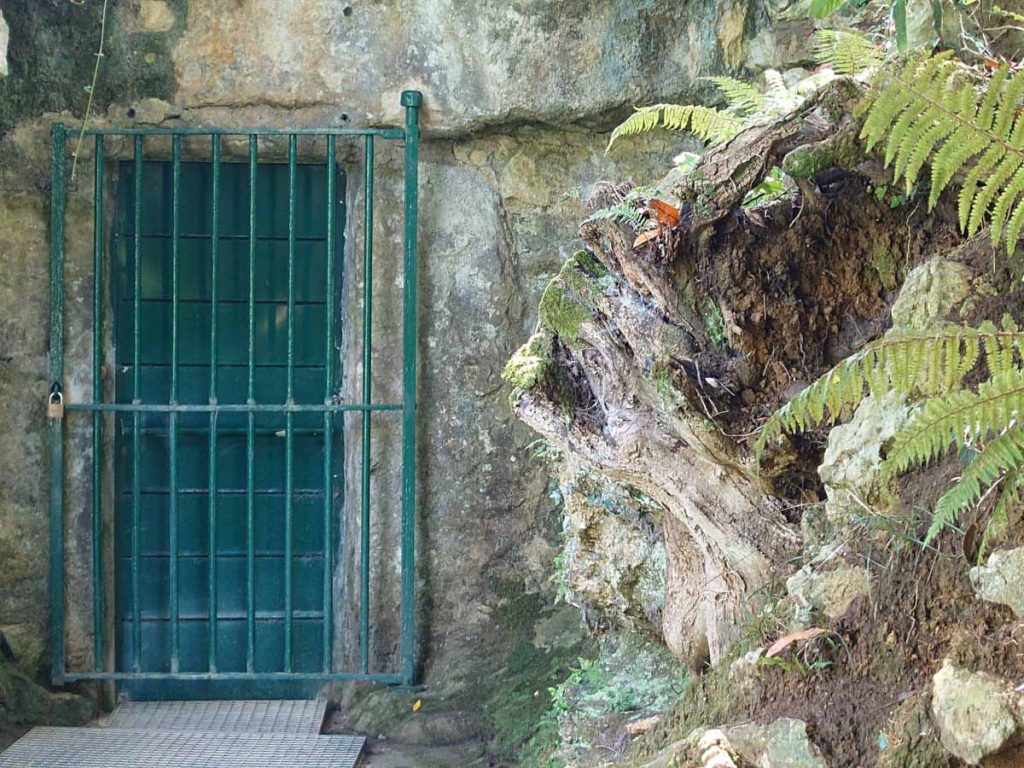
Slowly the sun burned through the fog and we continued with our bikes to the cave of Altamira. It’s one of the most incredible places. It was inhabited since 36.000 BC and discovered for the first time by the weaver Modesto Cubillas by coincidence in 1868, when he was searching his hunting dog. The original entrance had collapsed 11.000 BC. Years later the 8 year old daughter of Marcelino Sanz de Sautuola was able to enter into the cave as she fitted through the entrance and described paintings of cows. The archaeological research began in 1879 together with the archaeologist Juan Vilanova y Piera from the University of Madrid and was first published in 1880.
The French specialists Gabriel de Mortillet and Émile Carthailhac ridiculed their results loudly at the Lisbon Prehistorical Congress in 1880 as a fake being painted by some artists to create an attraction. Not earlier than 1902 Carthailhac admitted his misinterpretation after several other caves had been discovered in France, and wrote an article “Mea culpa d’un sceptique” for the posthumous rehabilitation of Sautuola, who had died 14 years earlier.
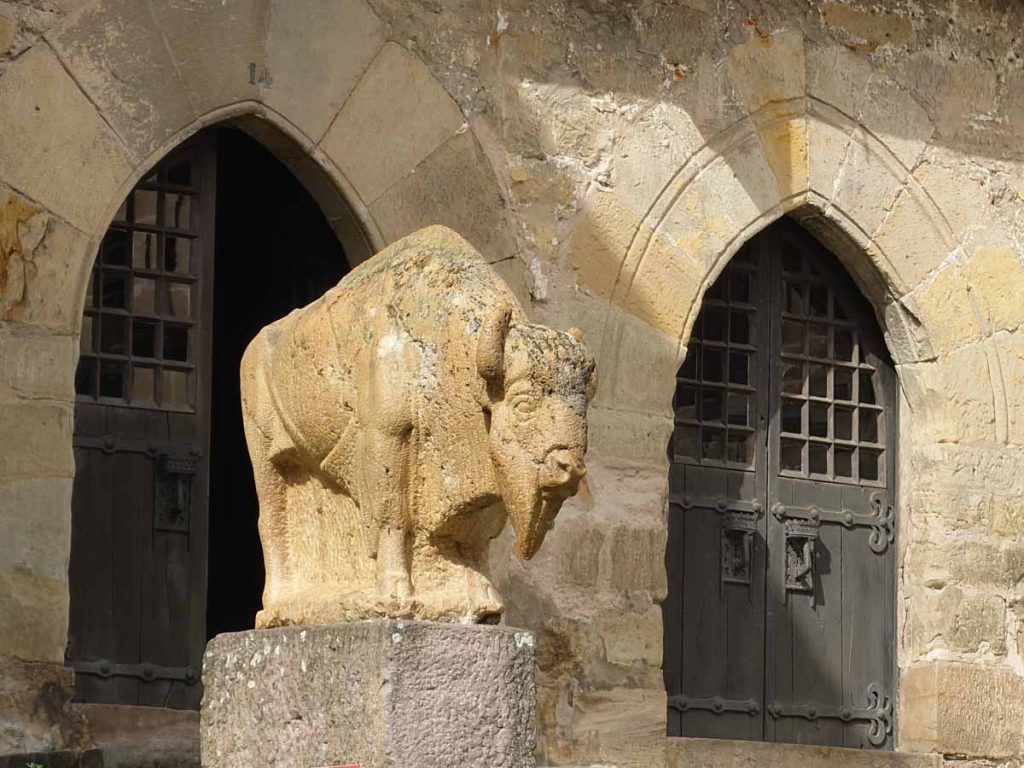
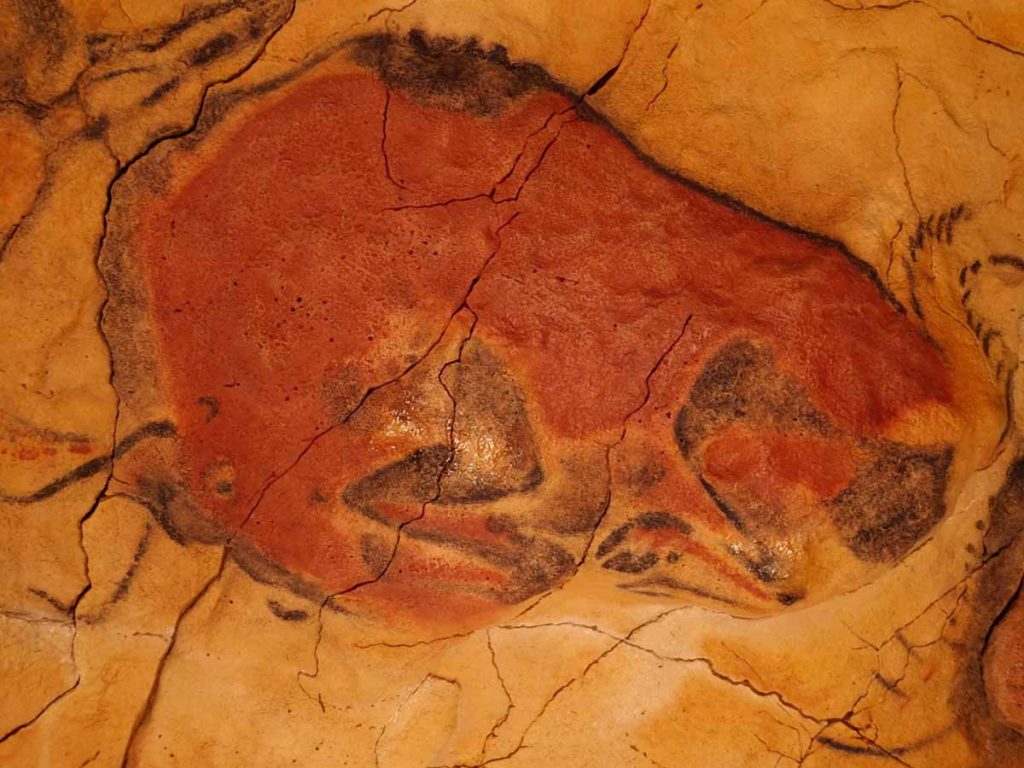
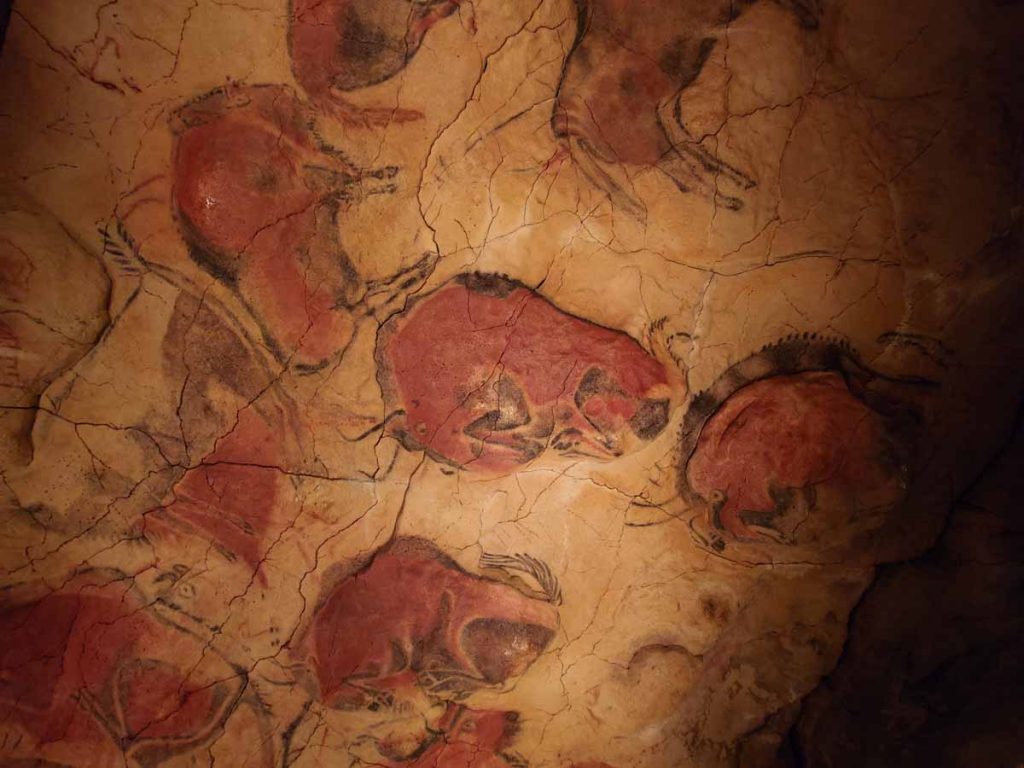
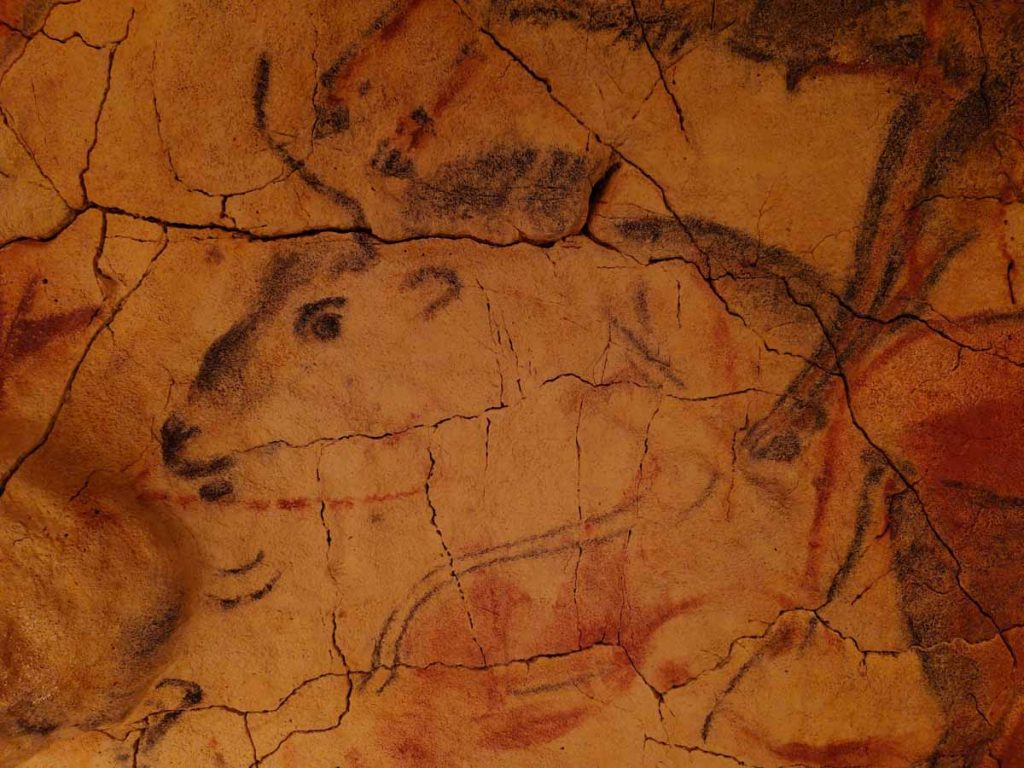
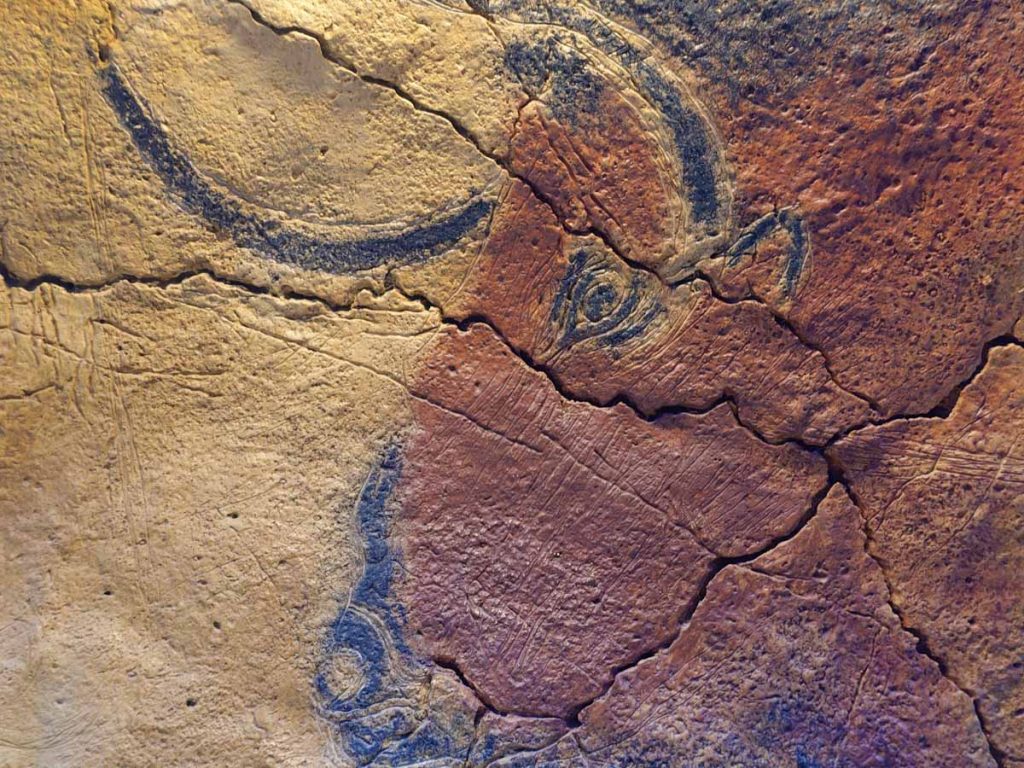
What they had discovered was a cave of 5.500 m² painted in the Palaeolithic era. All over one can see multi-coloured paintings with charcoal, ochre or hematite created over several thousand years with steppe bisons, two horses, a doe and probably a wild boar. The crowds visiting the cave also brought in humidity, carbon dioxide and mould damaging the paintings so the cave had to be closed in 1977.
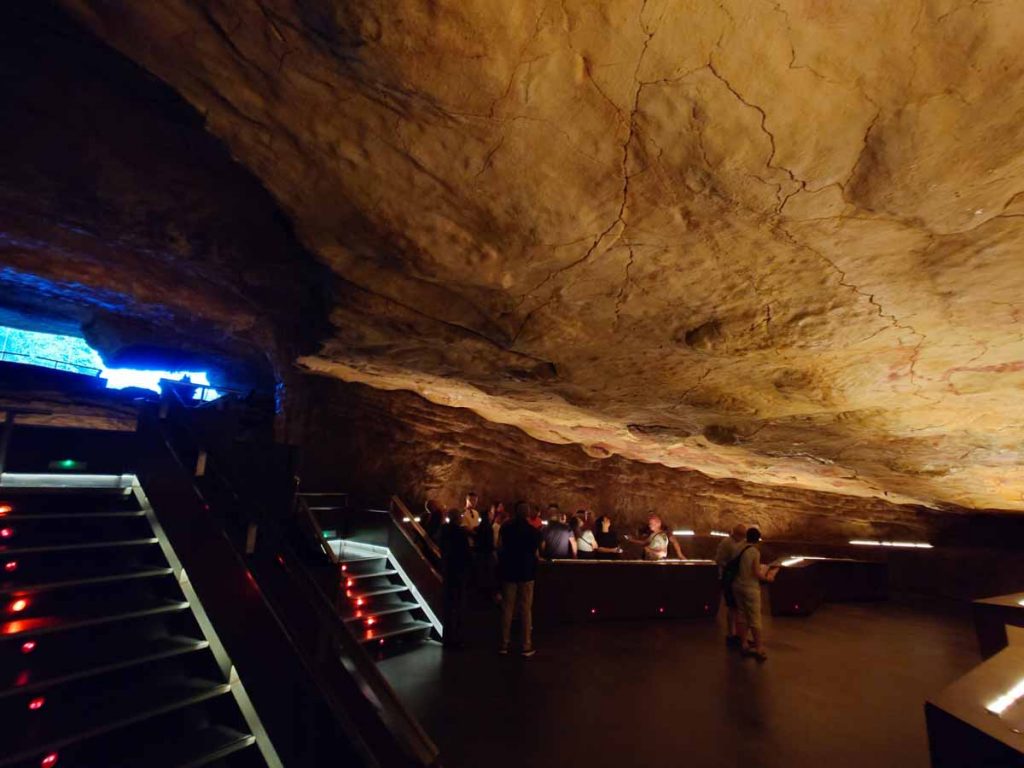
In a distance of 500 metres a replica was built for the visitors, which shows the cave in the state before the entrance had collapsed. It’s fascinating to see the perfectly illuminated paintings now even if they are exact copies, but they did a great job to give the impression of the shape of the original. The lively relief of the ceiling was even used to give some of the bisons a three dimensional impression of their massive bodies. They were real masters of their art and imagination. In our times, when images are flooding us every day, it makes you very humble to imagine that they created this in a dark cave with probably using marrow fat as oil for their lamps.
People were living in this cave during the last ice age and had seen a different wildlife and flora, and had no clue that their cave ceiling originated from another big era, when dinosaurs were still leaving their steps in some of the layers of these rocks.
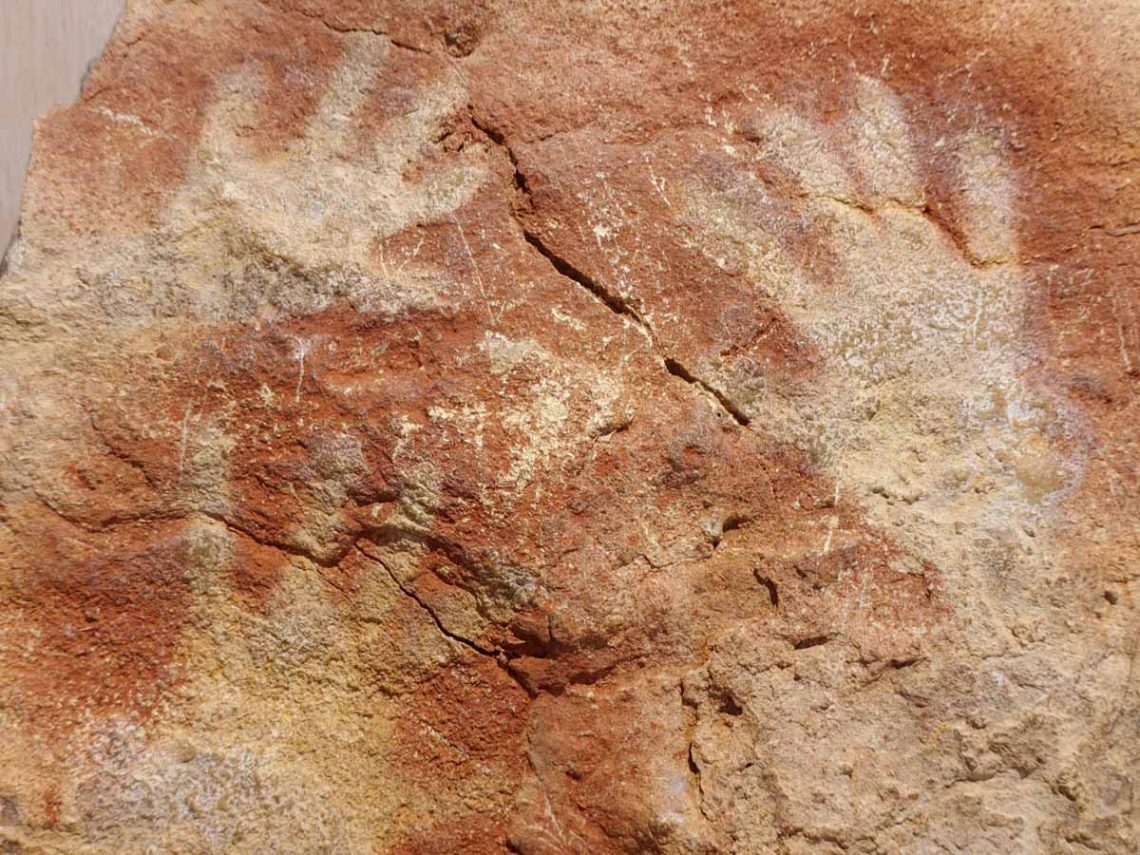
Stepping out into the landscape still remembering their handprints on the rocks we ask ourselves what our generation will leave as a leftover from our era? A carbon-footprint? Plastic, metal and concrete? Maybe one day there will be archaeologists misinterpreting these little flat rectangular objects from an era when humans lost their time and ability to paint a simple animal by hand, because they gave it into the hand of some machine creating for them a digital world, which will not be able to be reconstructed anymore.
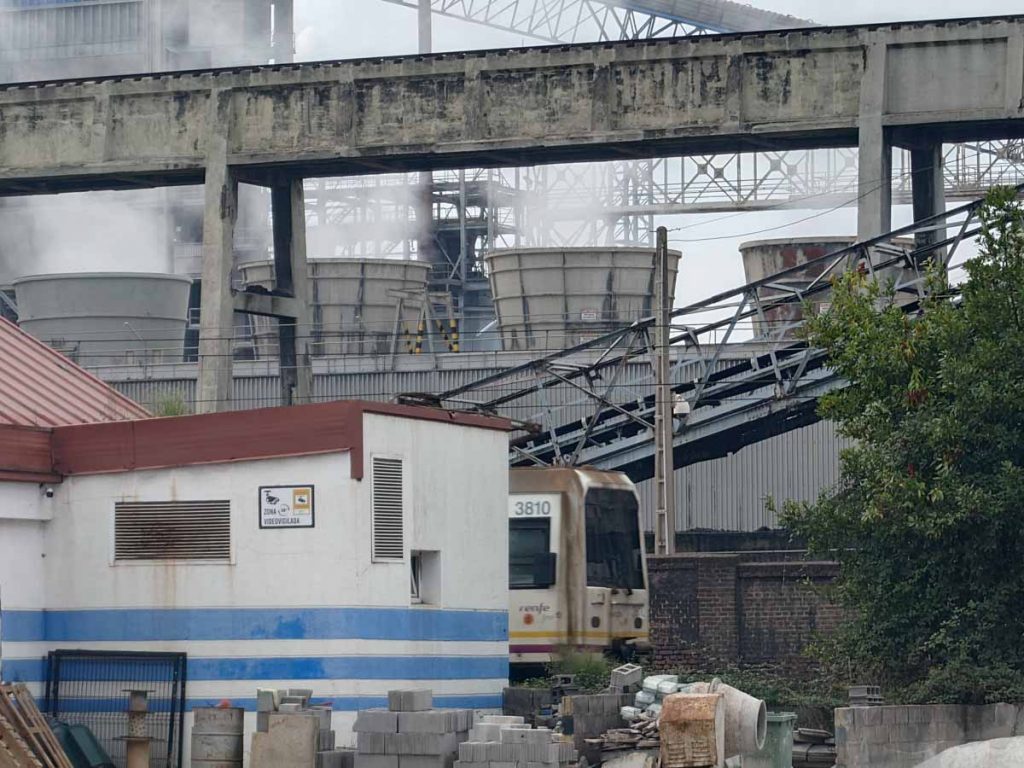
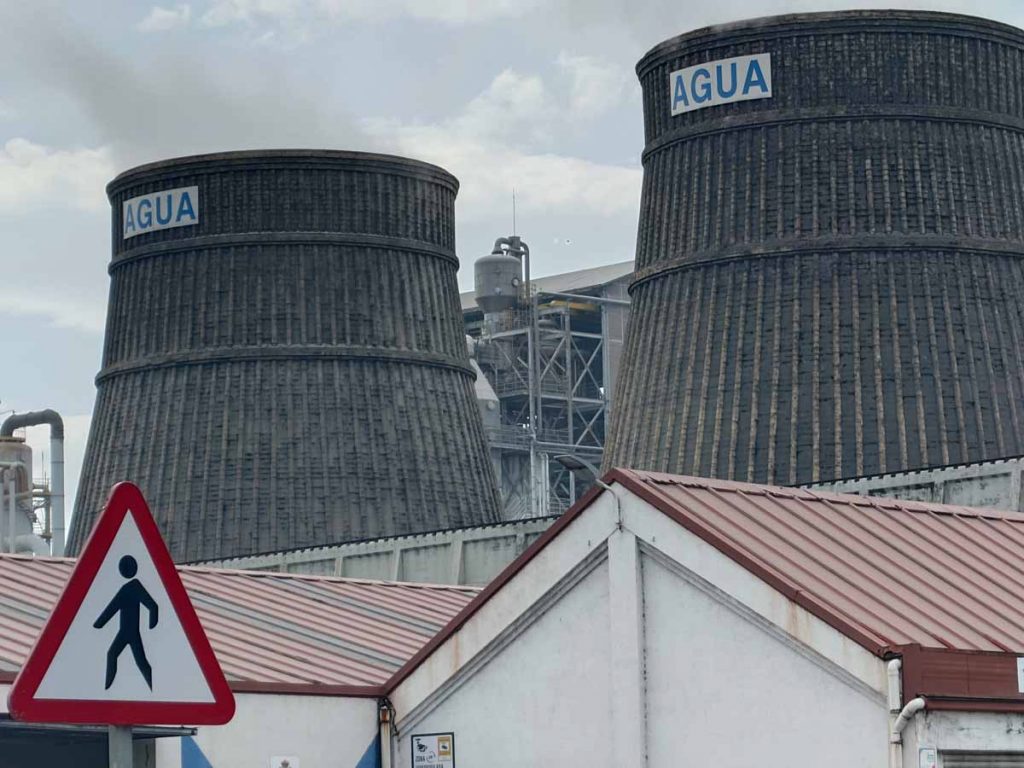
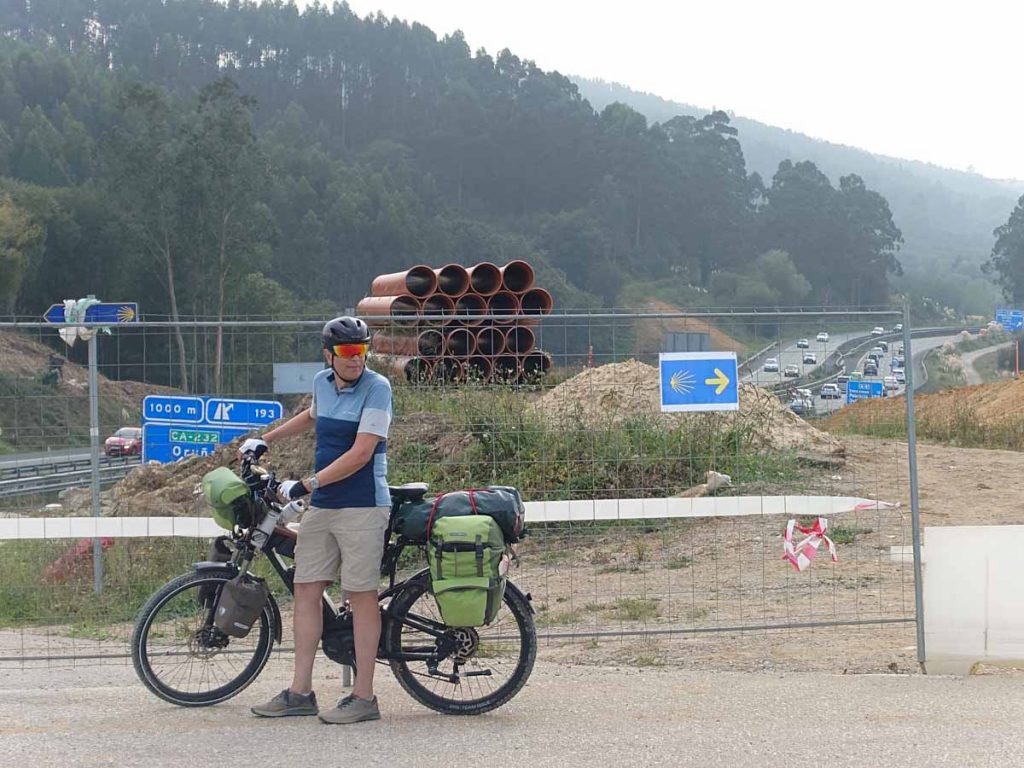
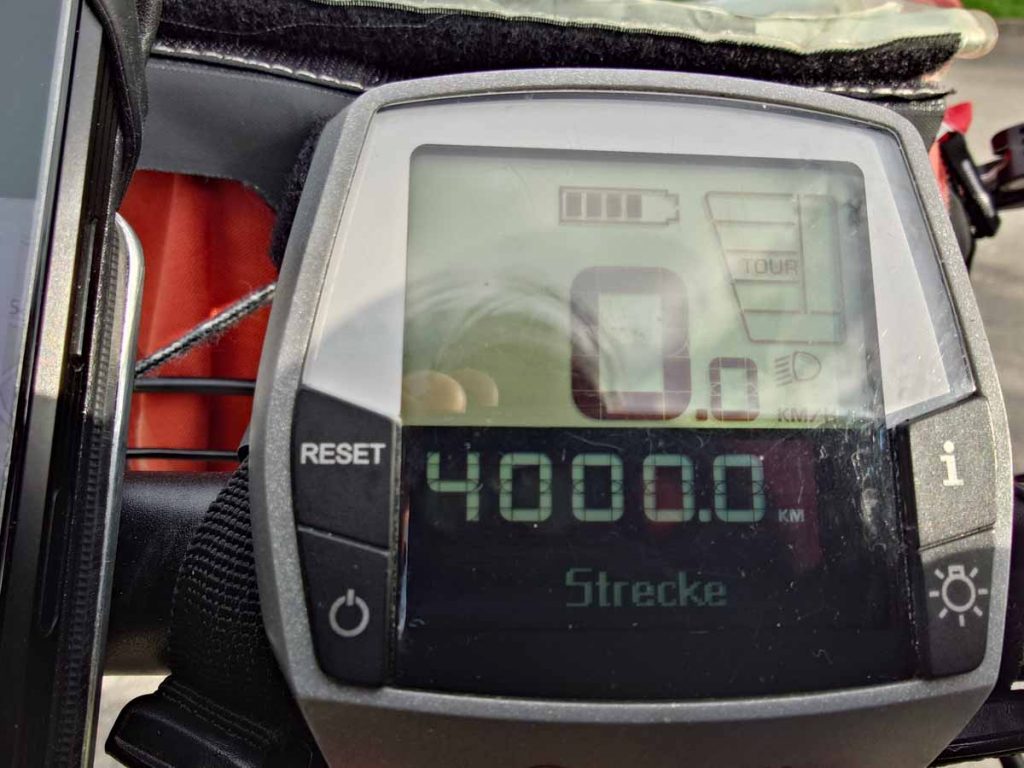
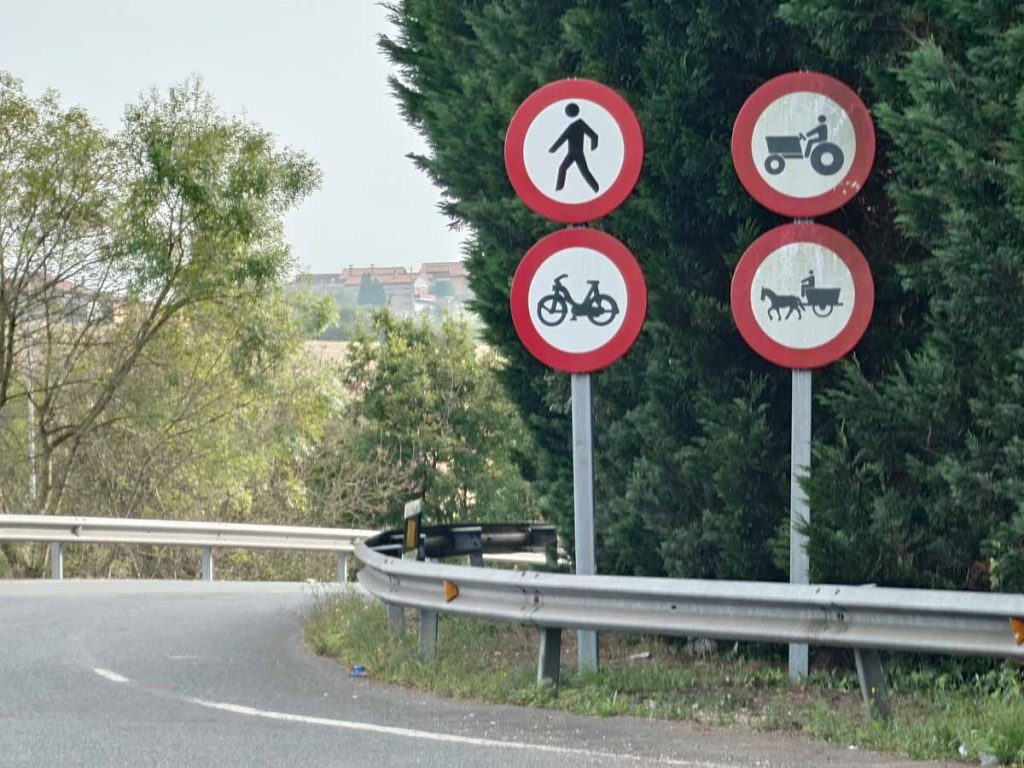
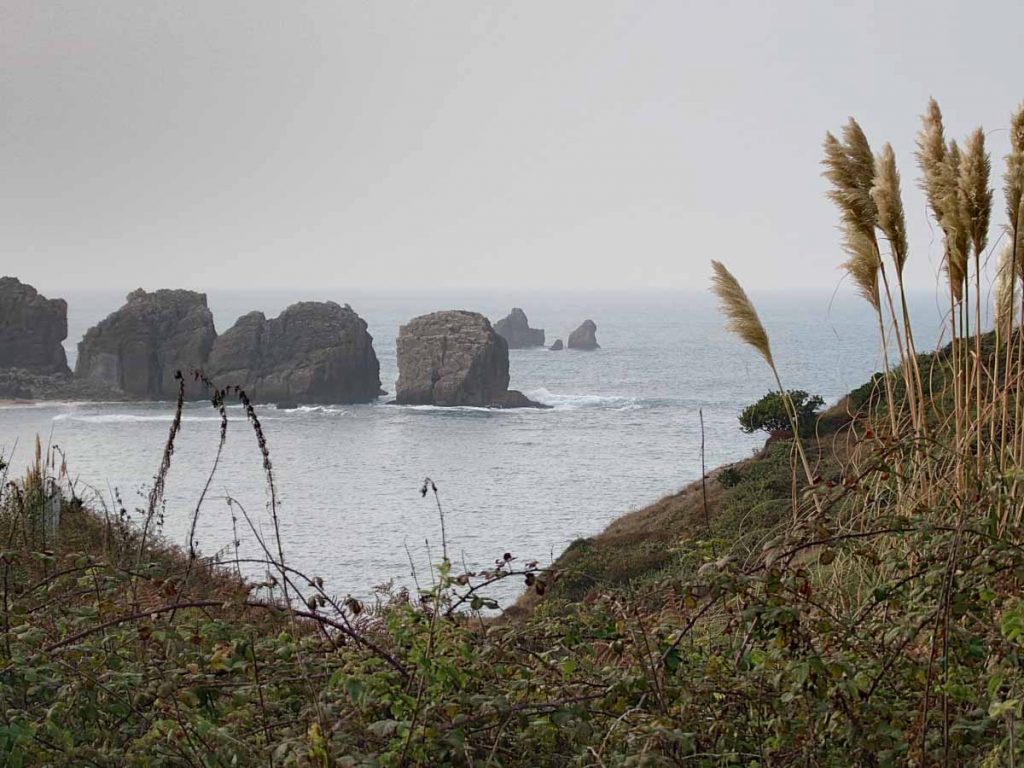
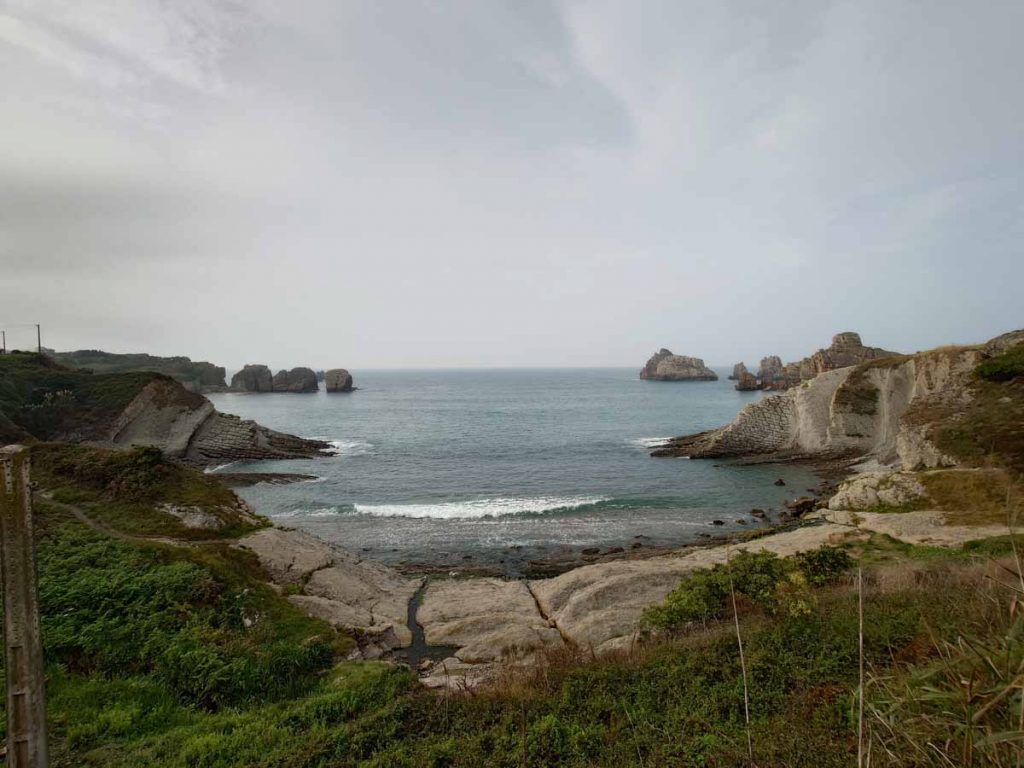
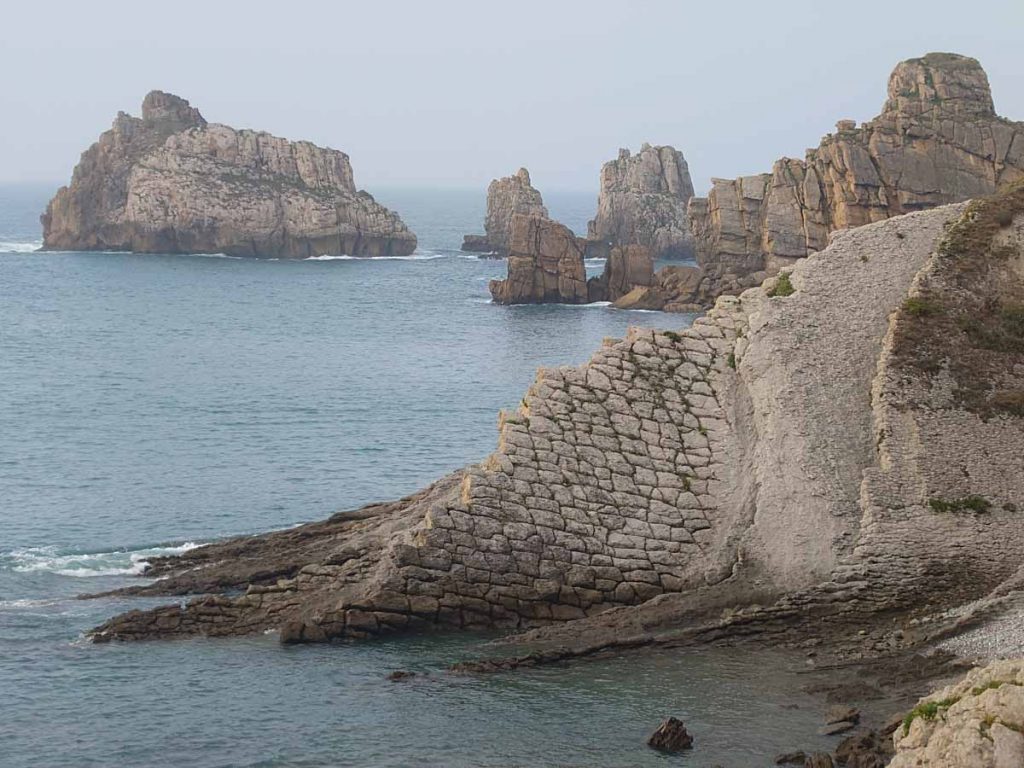
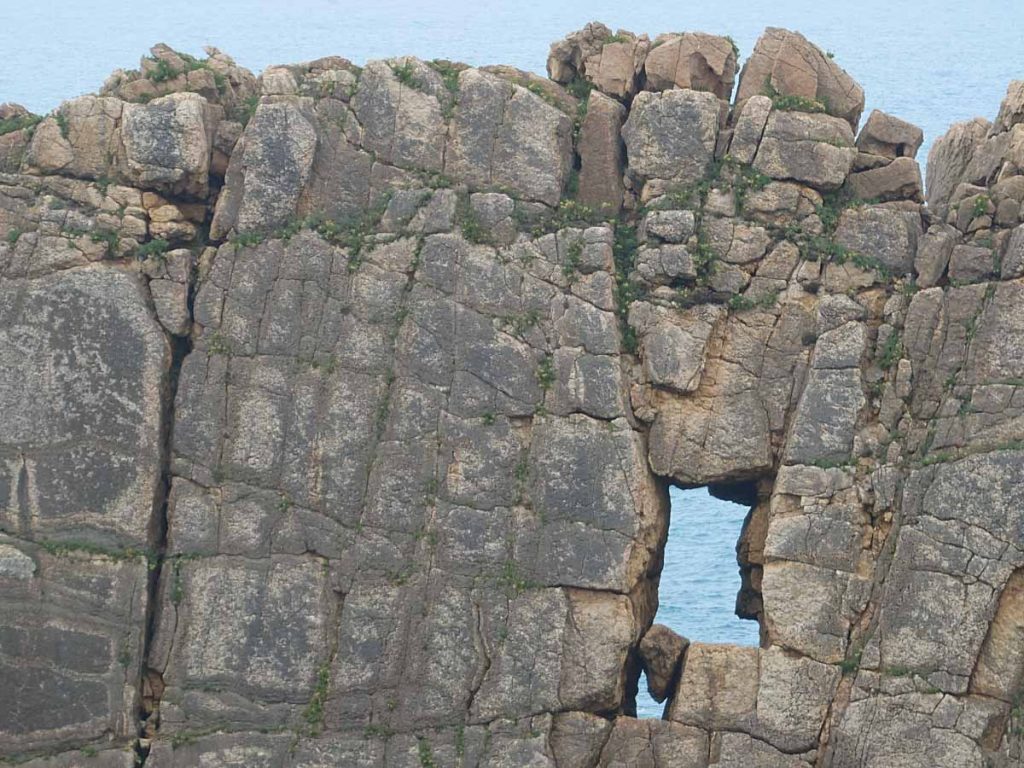
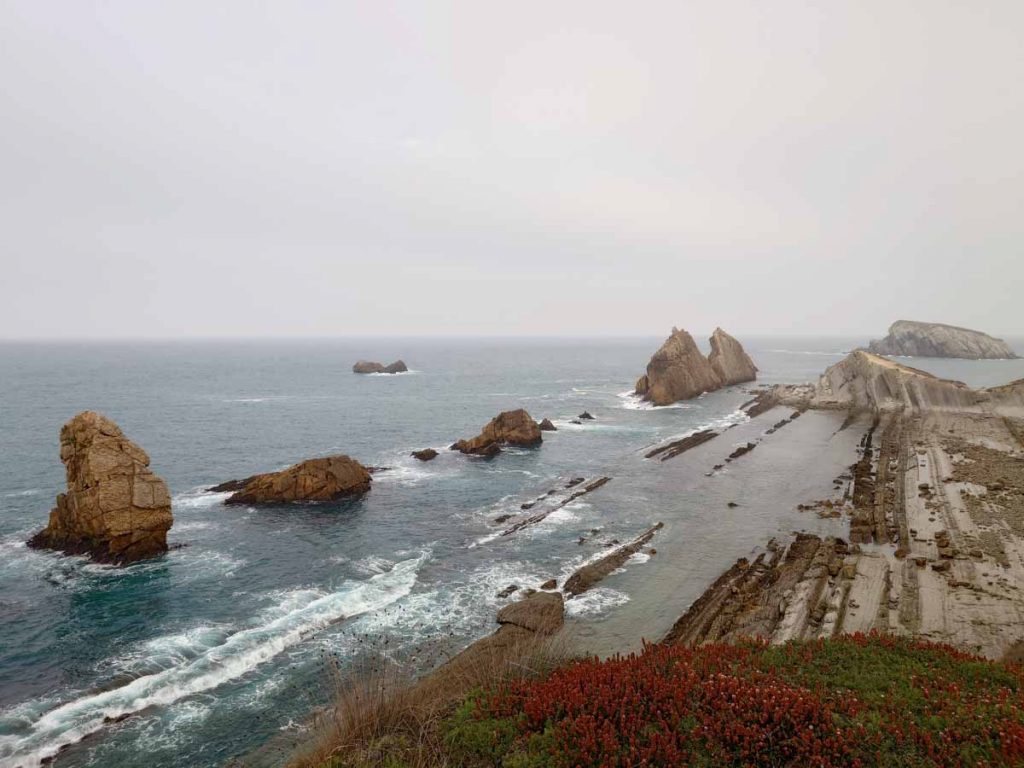
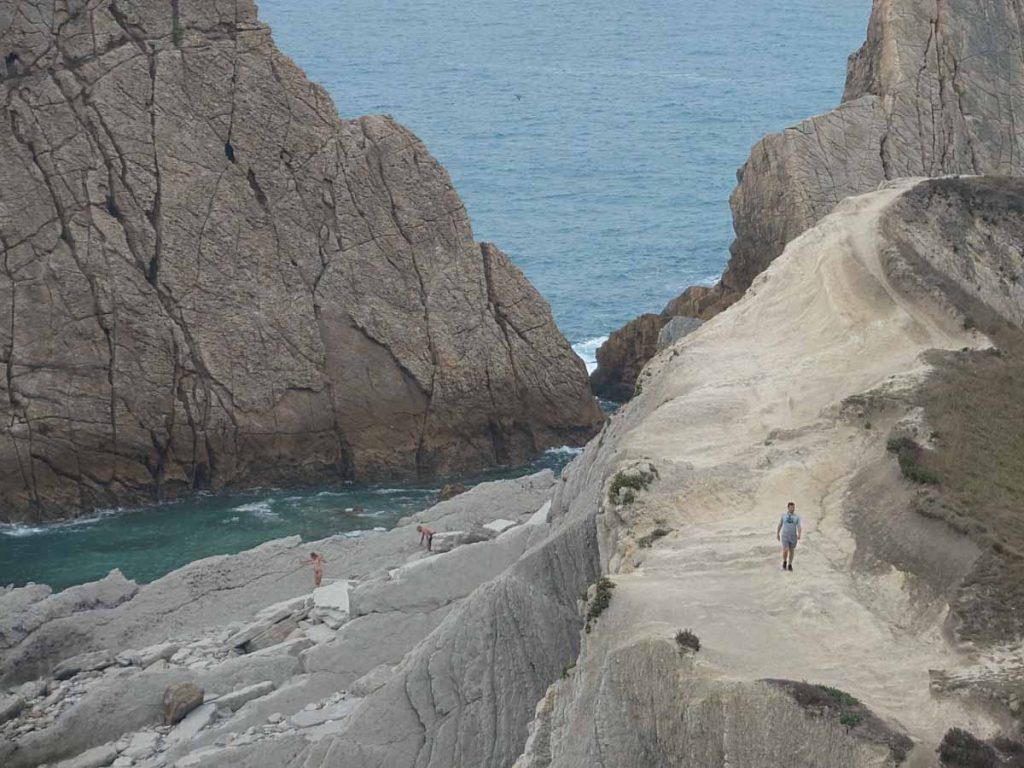
Back on our bikes the Camino passed by industrial zones and constructions of highway extensions reaching the 4.000km distance on my tachometer. Because of the low tide we had the chance to look into the layers of rock like into the pages of an earth sedimental history book at the Playa de Covachos.
Entering the city of Santander was via an endless boulevard where the bike lane switched all the time from one side to the other and was interrupted by pedestrian crossings and side streets, and seemed to be ignored by car drivers. Through a tunnel with a very narrow two-direction bike lane we made it into the centre, and enjoyed an evening in the lively young city.