Maybe the idea of being done with biking soon, and the prospect of spending the whole day sitting in cinemas at the AFFR, were too much of a contrast for us. Another reason for making a further bike tour was the fact that I calculated the distance to our last destination Utrecht, where I wanted to reach 5.000km. So we needed some more kilometres in order to reach that goal.
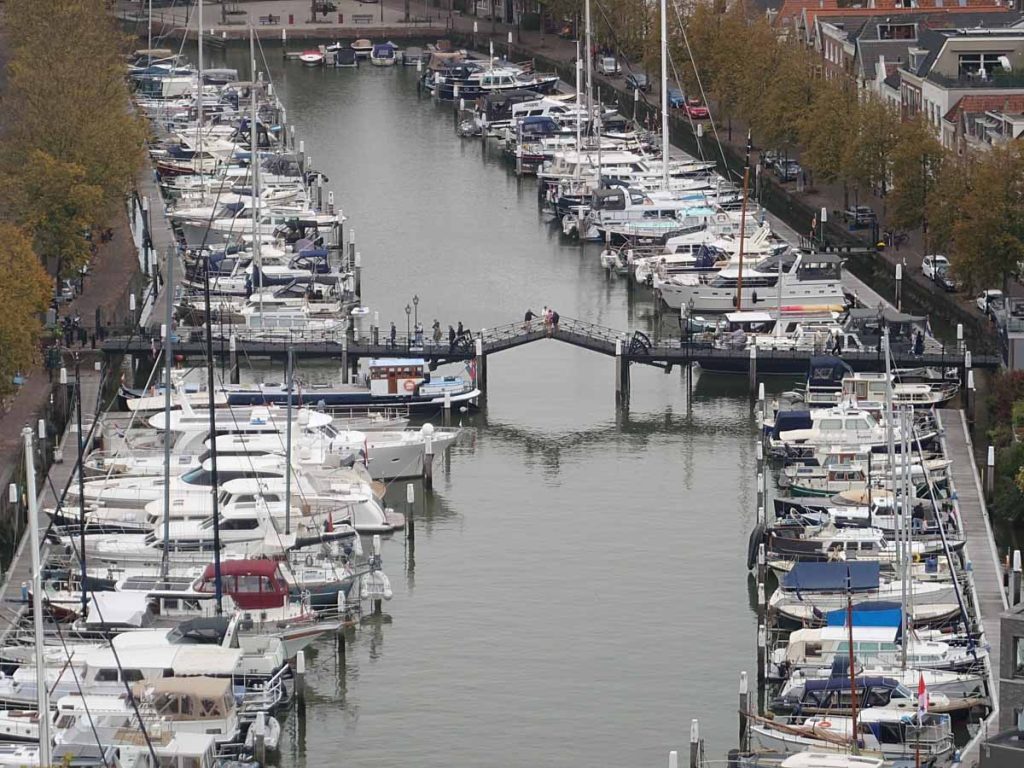
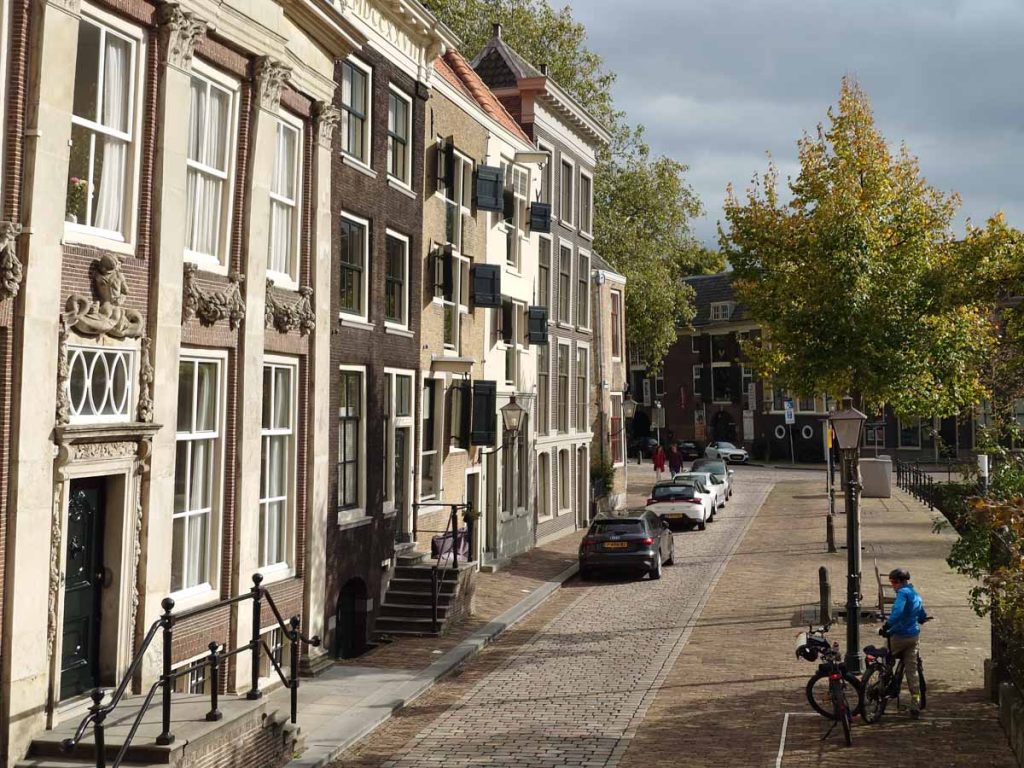
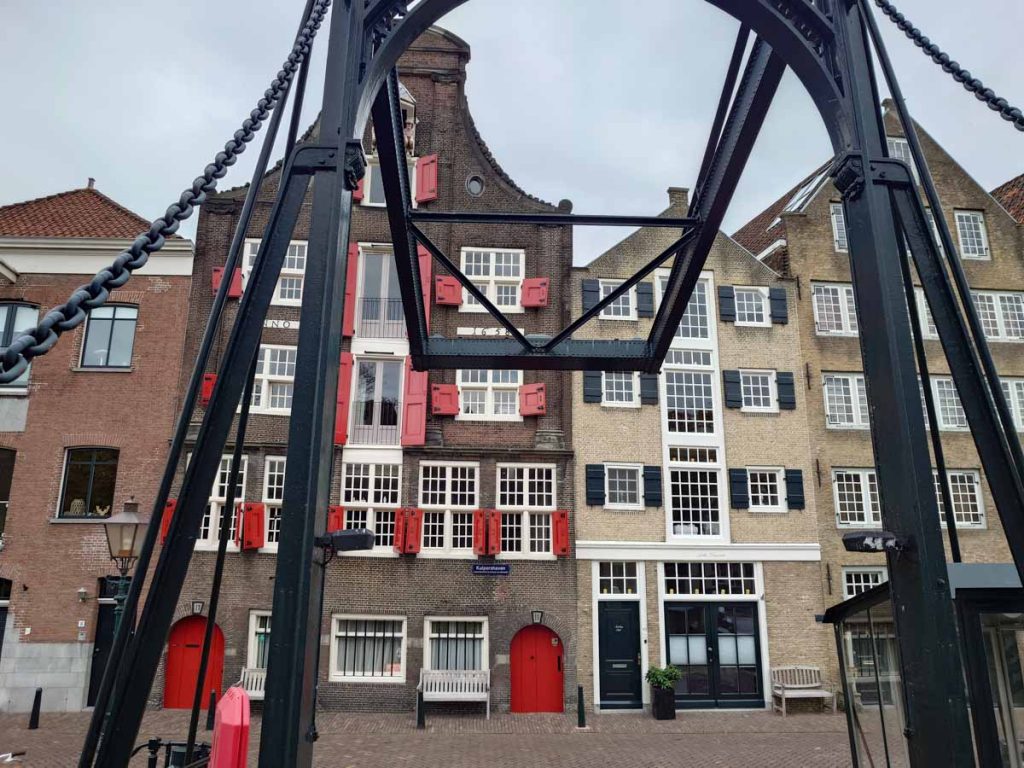
Robert picked us a bucket list destination, which was a must to be seen. Dordrecht – it was the oldest city in Holland, first mentioned in the 12th century, but not the oldest in the Netherlands. The oldest city in the Netherlands is Nijmegen in the province of Gelderland, which goes back to Roman times and is more than 2.000 years old. When you talk about Holland and actually mean the Netherlands it makes a big difference for the Dutch, because Holland consists of the two provinces of Noord- and Zuid-Holland, which are only two out of the twelve provinces of the Netherlands.
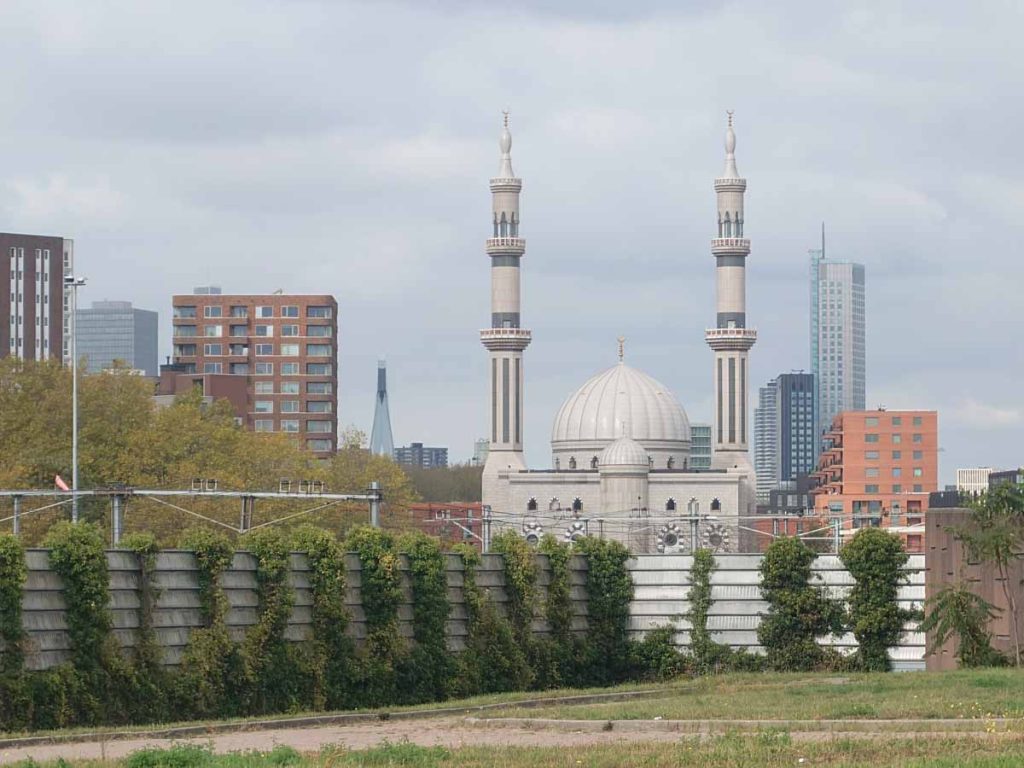
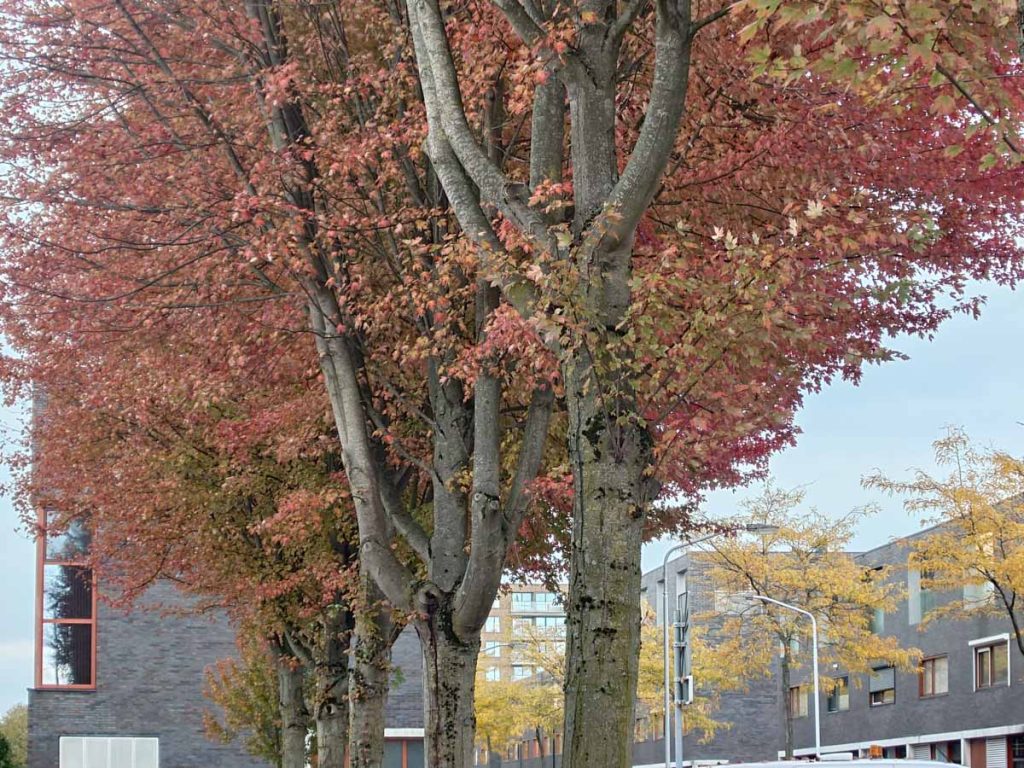
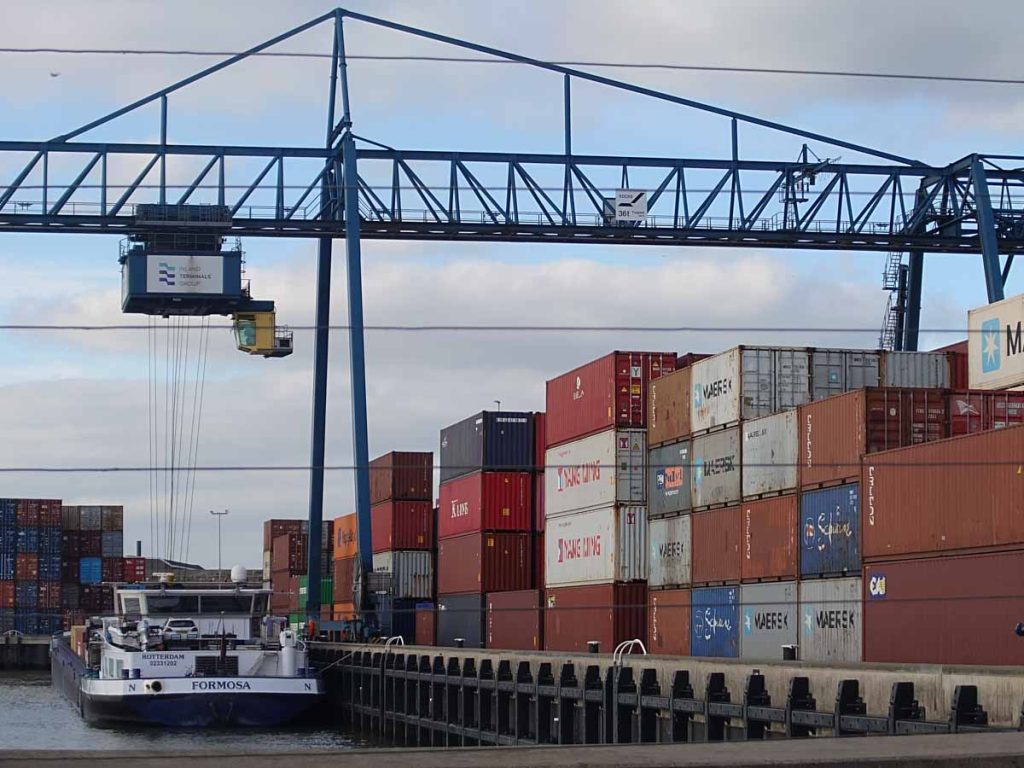
It was even with the comfortable bike route- system of “knooppunten” not 100% evident how to get there through all the suburbs and industrial areas. Everything changes quickly from suburban living areas to commercial parks, from one road side to the other. We even came by the Essalam mosque, which was designed by the WAM architect Wilfried van Winden, who we got to know last night. We had to pass bridges that served as water sluices and finally reached Dordrecht.
In 1421 during the great St. Elisabeth-flood the city was cut off from the mainland and turned into an island. In 1572 there was a gathering in Dordrecht to declare the Netherlands independent from Spain, where William of Orange was appointed as the leader of the revolt. In 1618 the Synod of Dordrecht was an important historic assembly for the Reformation of the Dutch church.
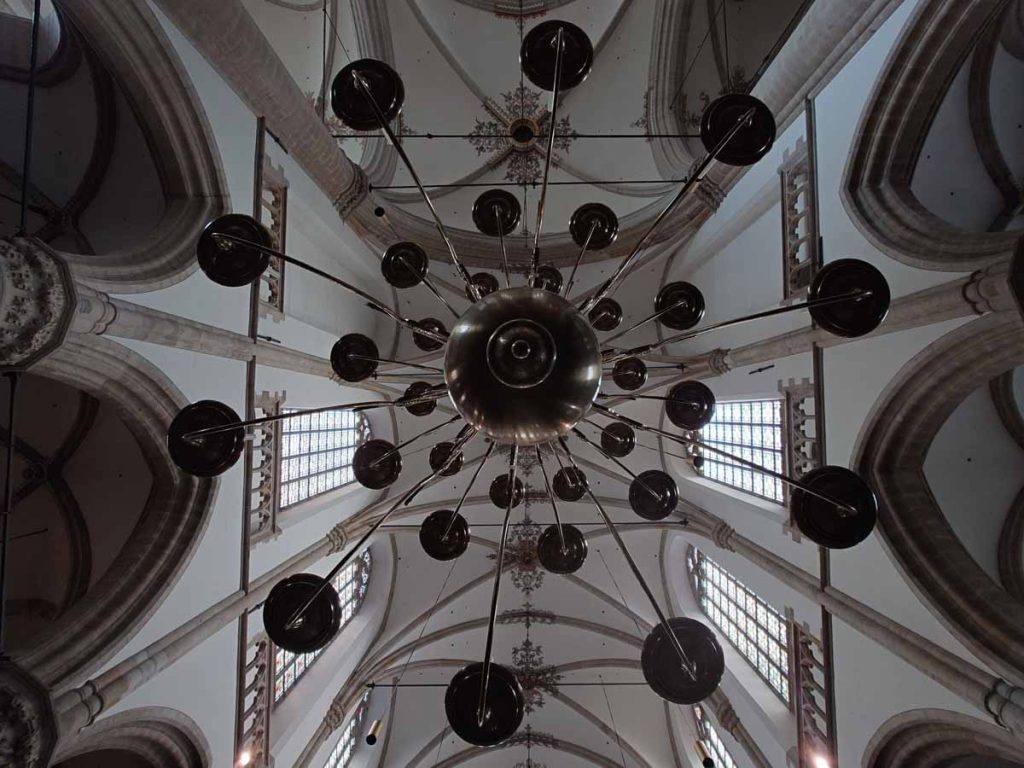
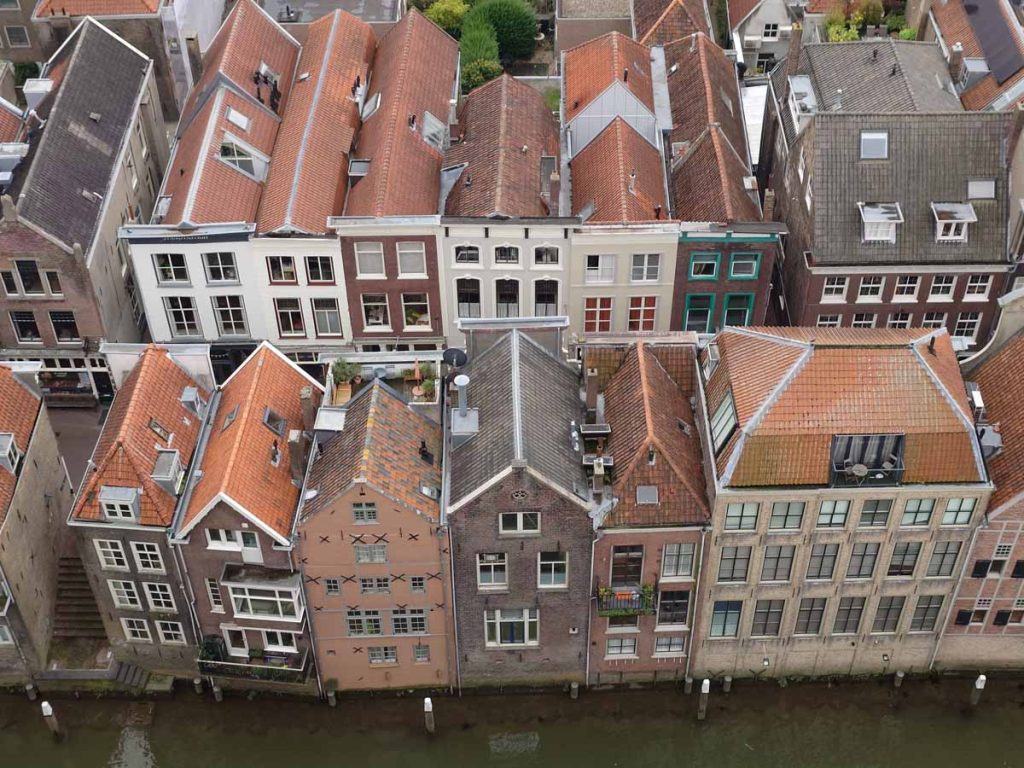
We had a look at the Grote Kerk or Minster of Our Lady and climbed its leaning tower. Due to the soft soil the tower already started to lean during its construction, and was therefore never finished as originally planned. But from the top you had a splendid view all the way to Rotterdam.
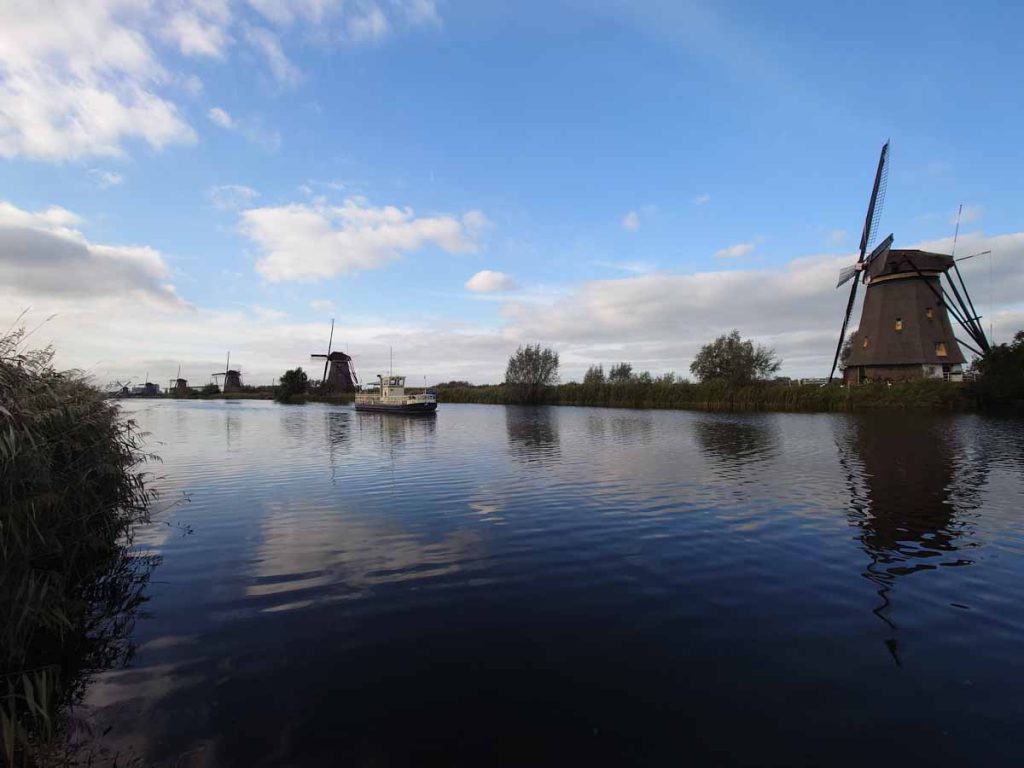
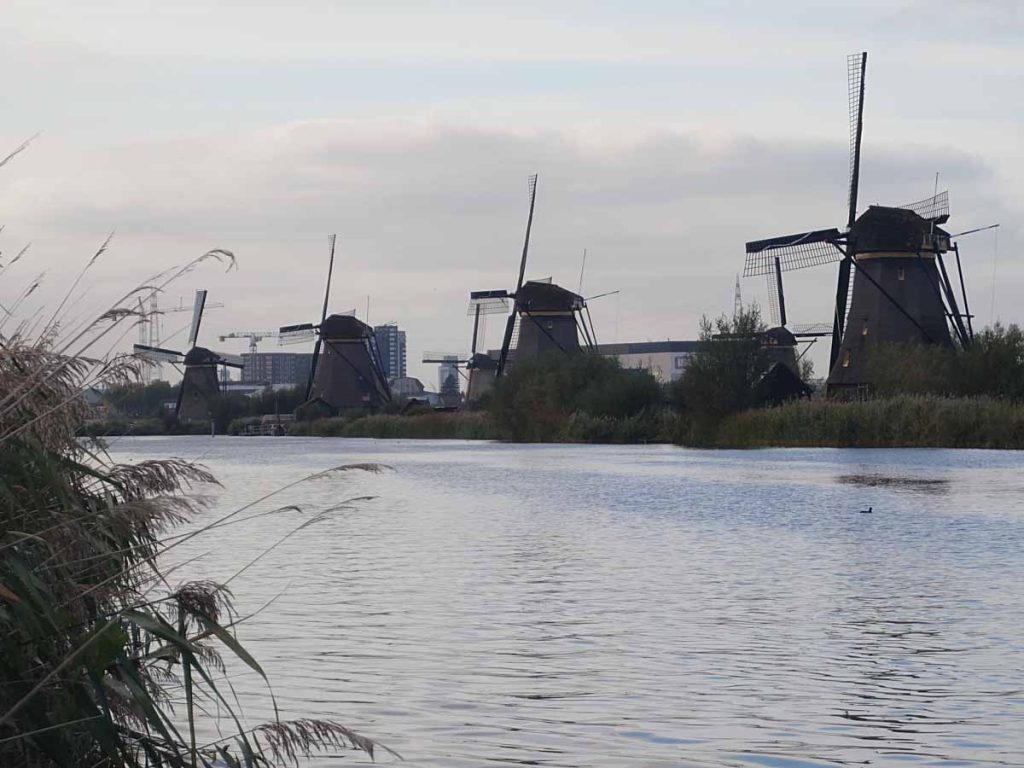
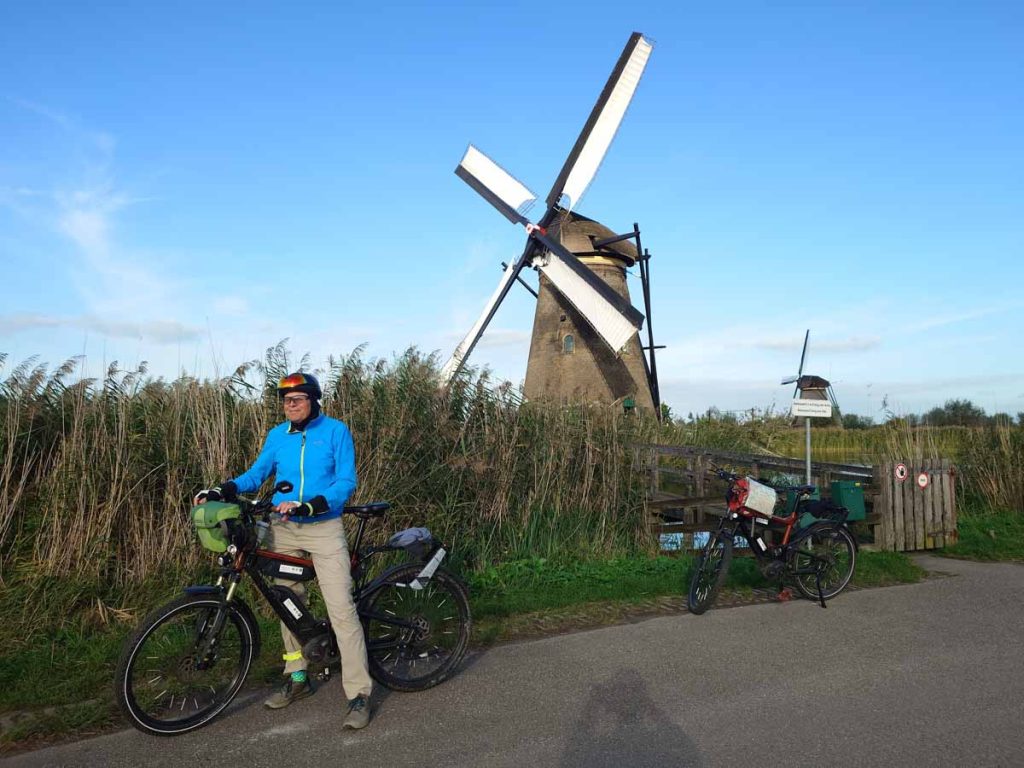
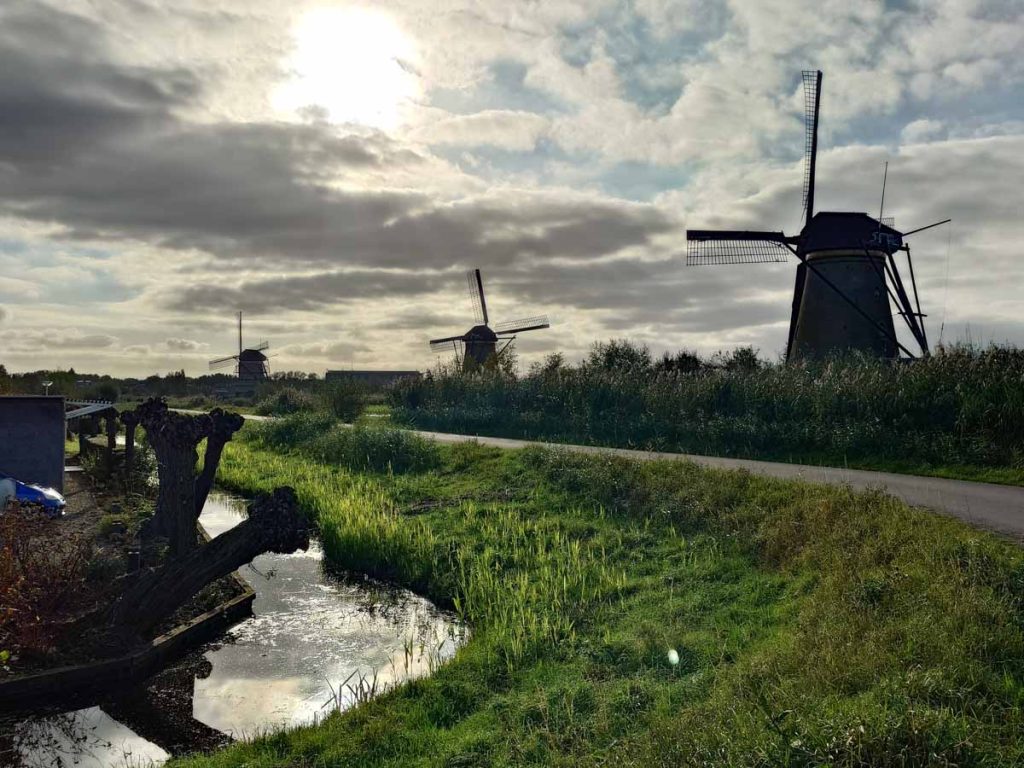
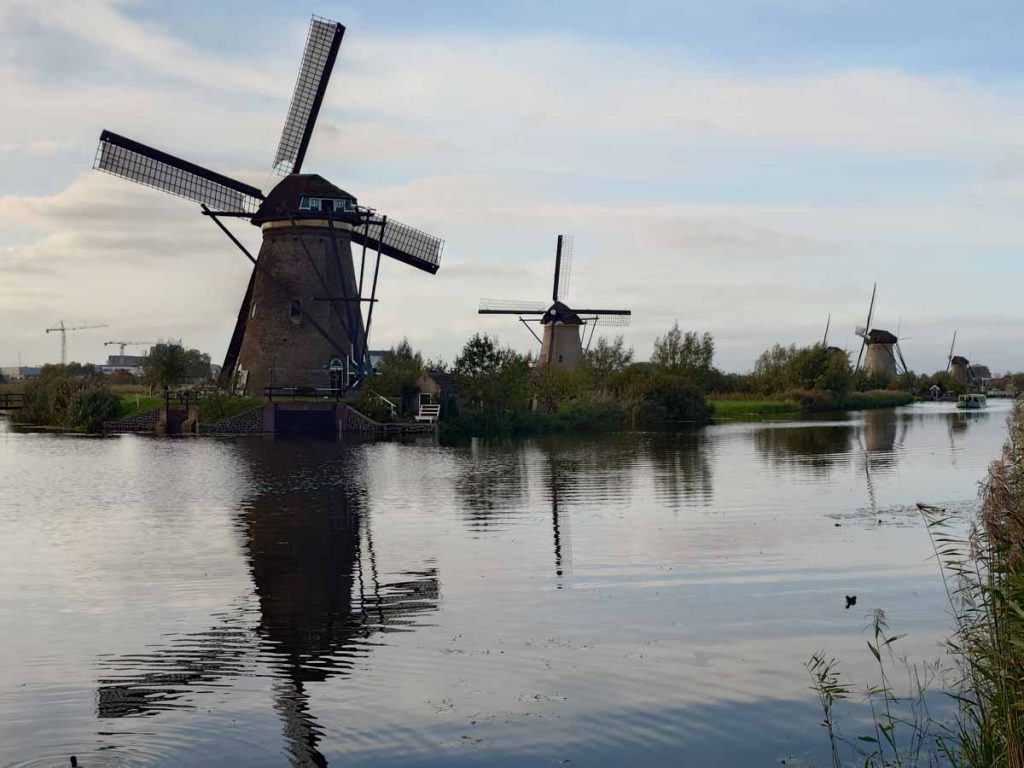
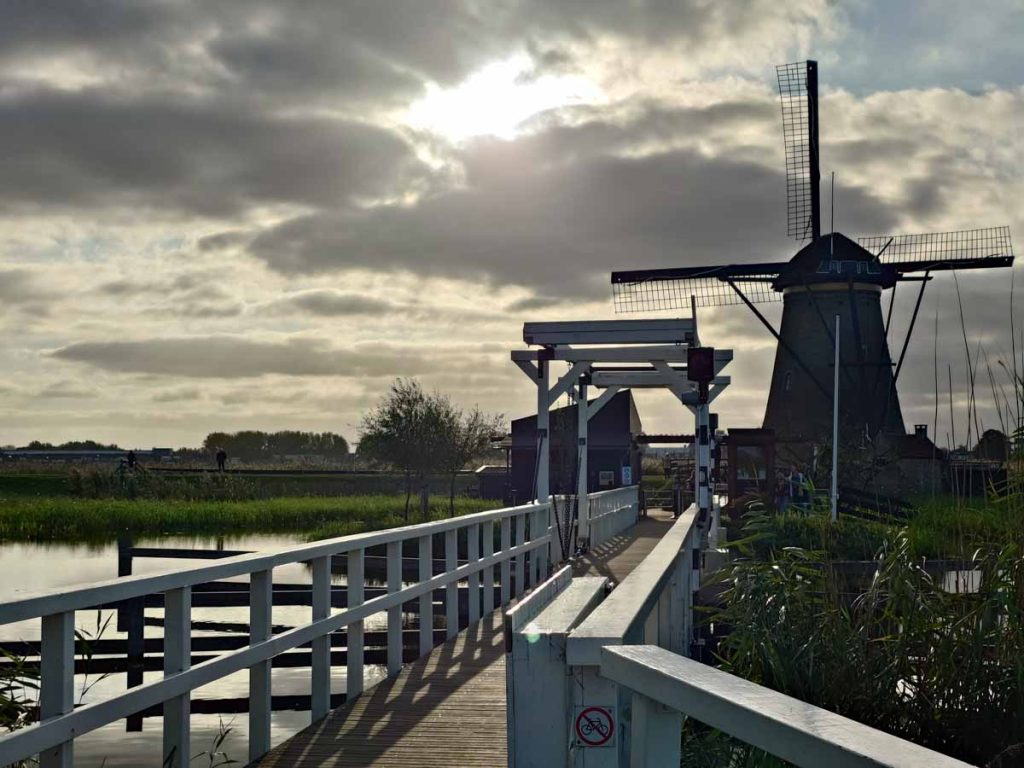
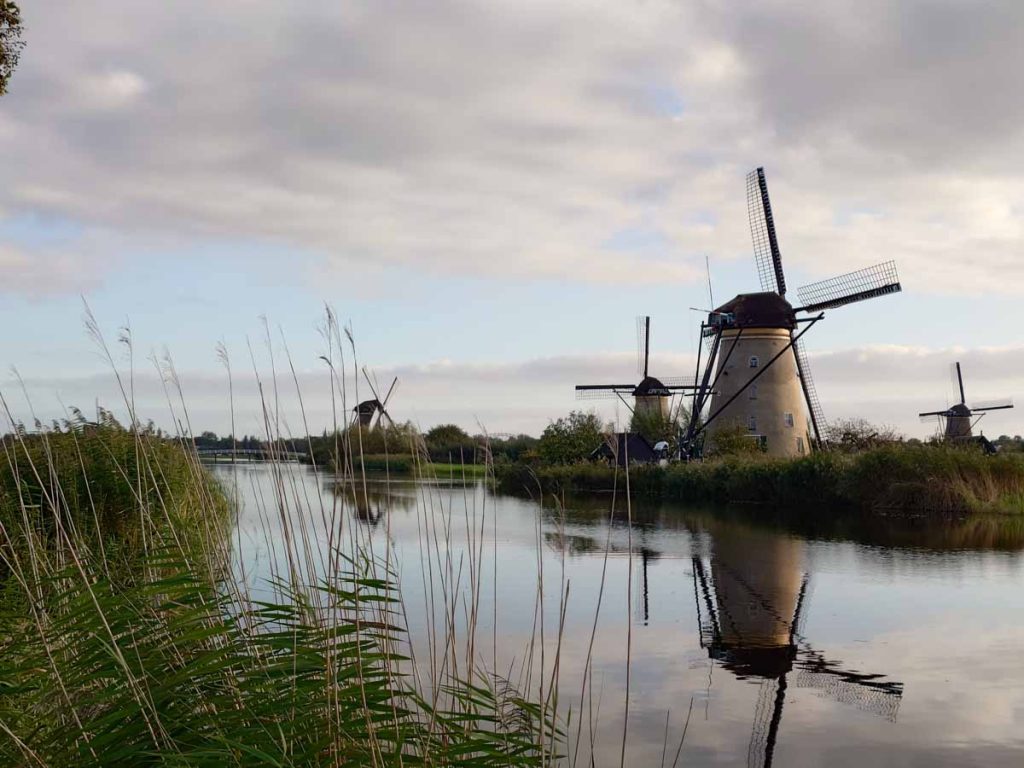
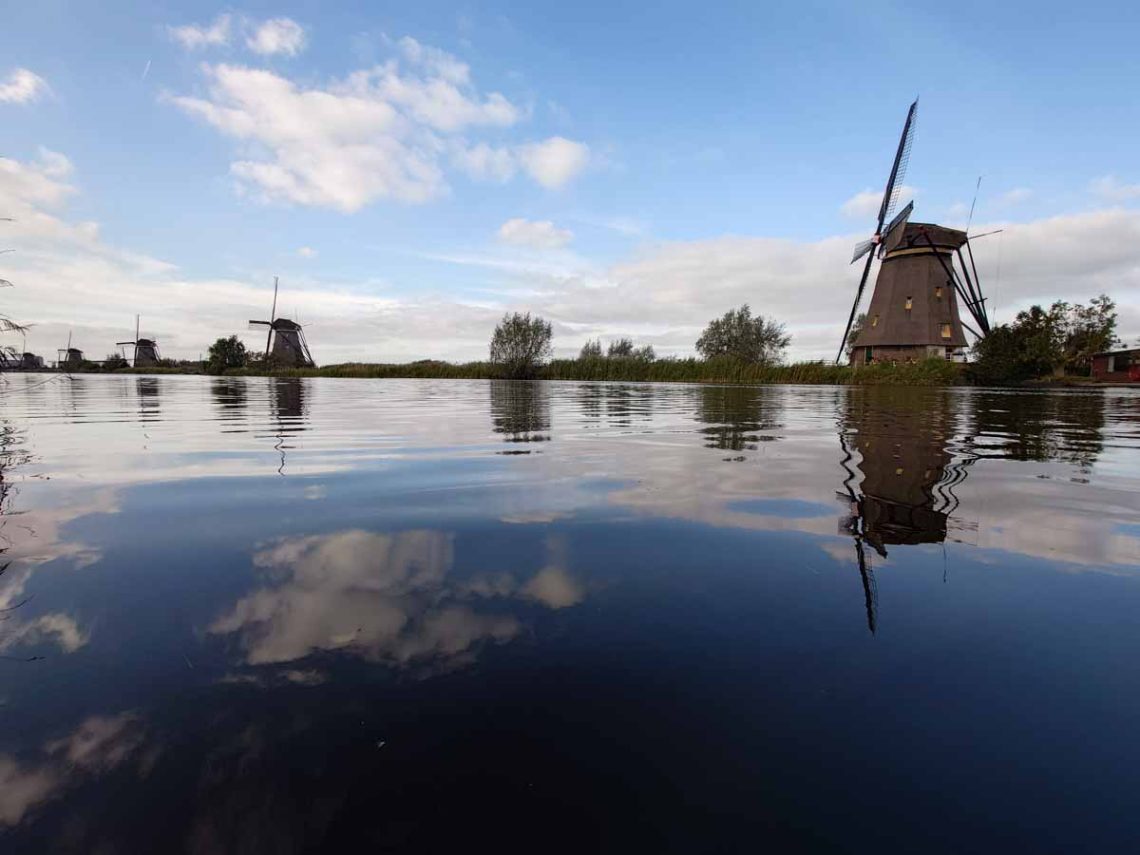
We had lunch at the restaurant Lef Dordrecht. It felt already very much like autumn with the wind and the clouds, but it still stayed mostly dry. We took a ferry over the “Beneden Merwede” to Papendrecht on the other side, and reached via Alblasserdam the famous windmills of Kinderdijk, which are a UNESCO World Heritage site.
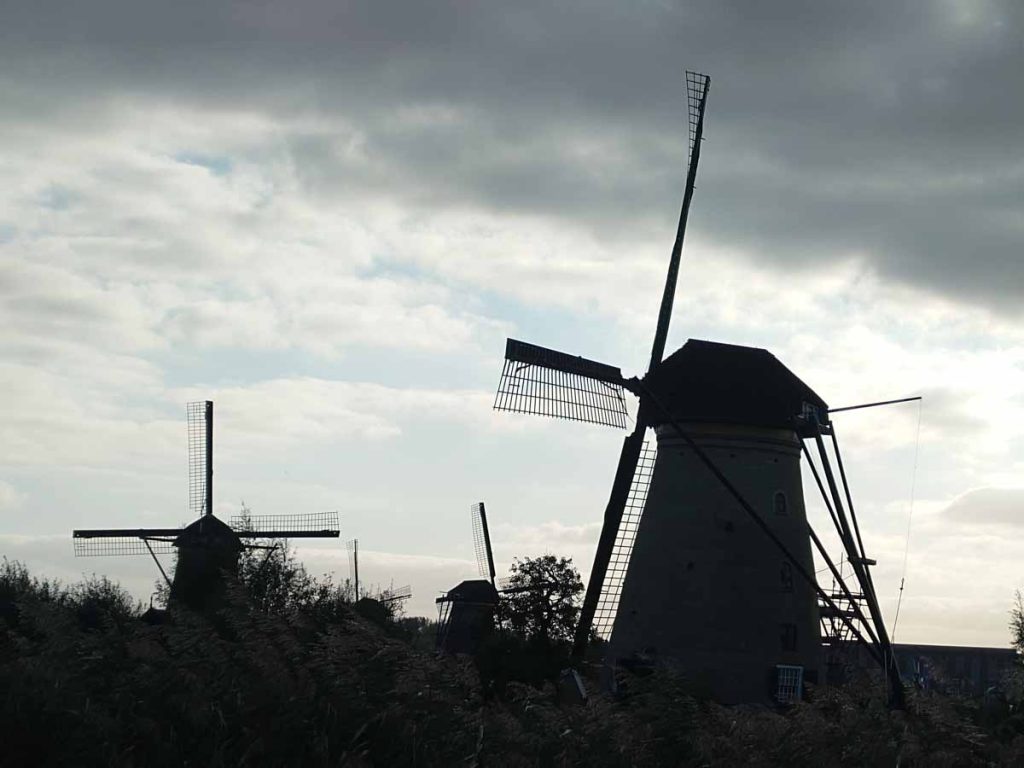
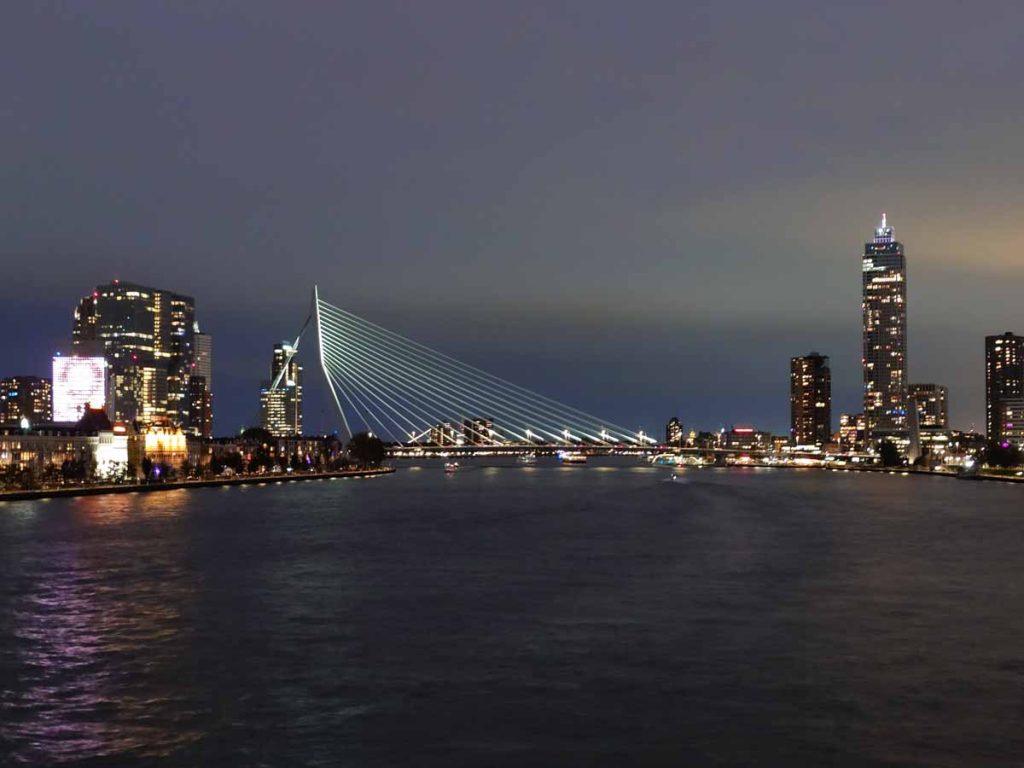
After the experience of floods in Dutch history these windmills represent the proud technique of gaining land by pumping water out of the polders with wind power. They are all still functioning and some can even be visited. While we were visiting the grey sky opened up and even showed some blue patches, before the clouds moved in and even touched the skyscrapers of Rotterdam when we returned to the city in the dark.
The temperature dropped and it started to drizzle, which was a good reason to watch a film at the AFFR called “Super Paradise” about the development of tourism on the Greek island of Mykonos, which once was a Hippies paradise, but got to be a victim of mass tourism by its own success. On the way back to the Social Hub the bike path was closed due to a serious accident, which was very likely caused by a motorbike or “bromfiets“ as the Dutch call them, who share the bike lane with the bikers, but are unfortunately at a completely different speed.