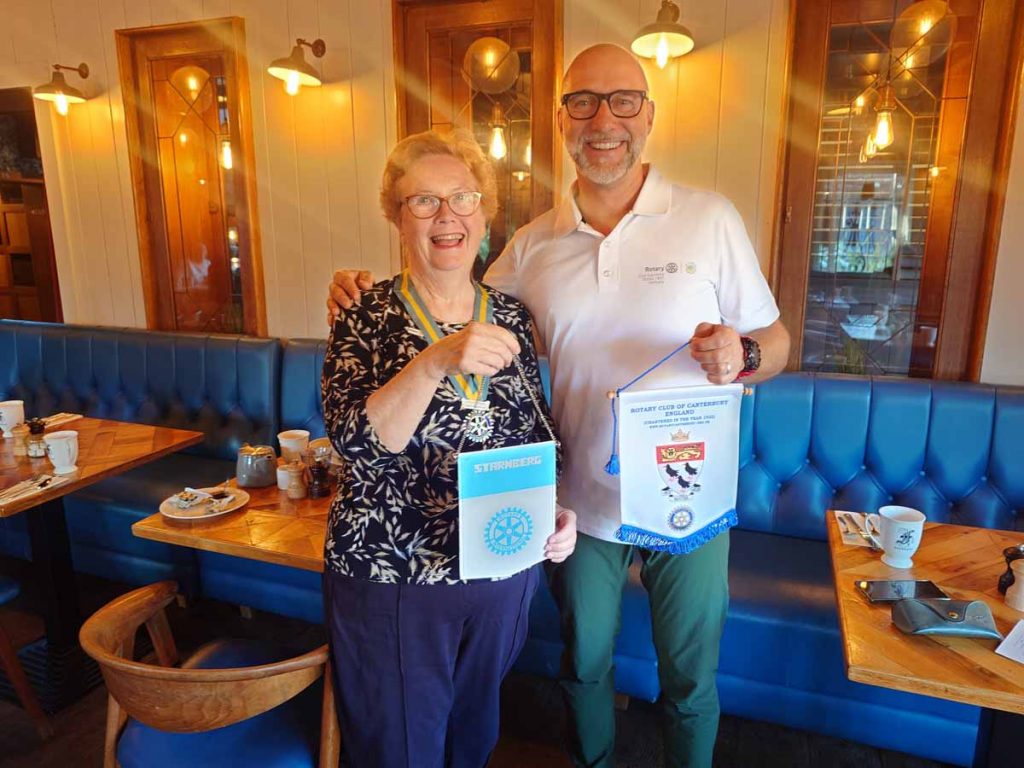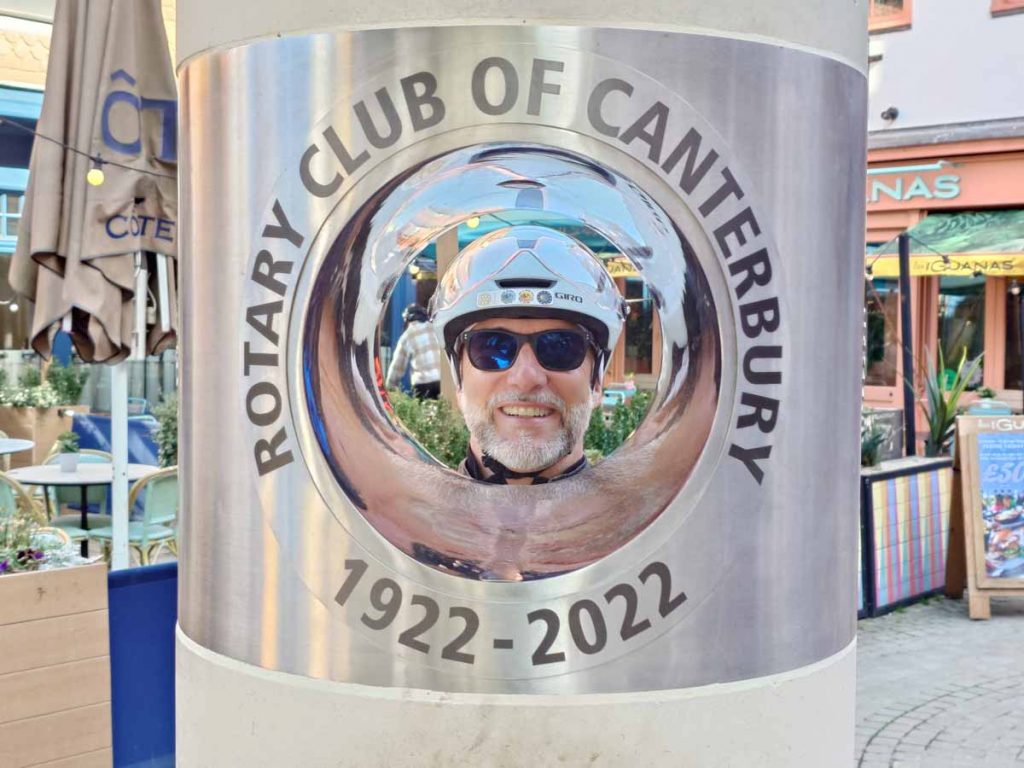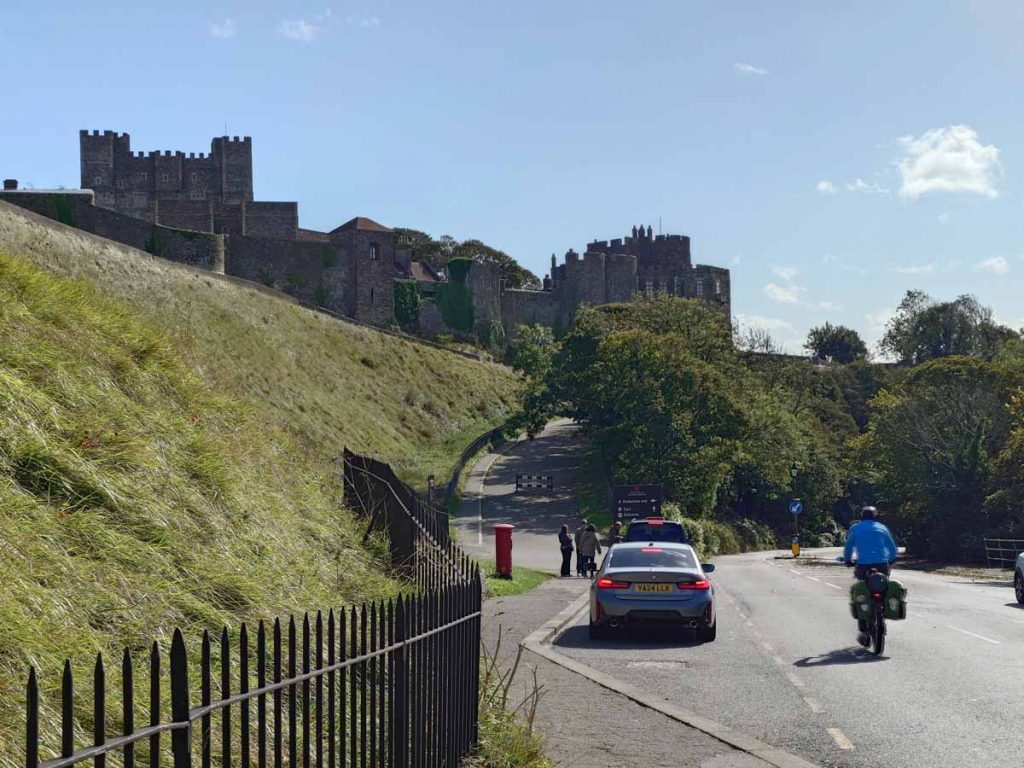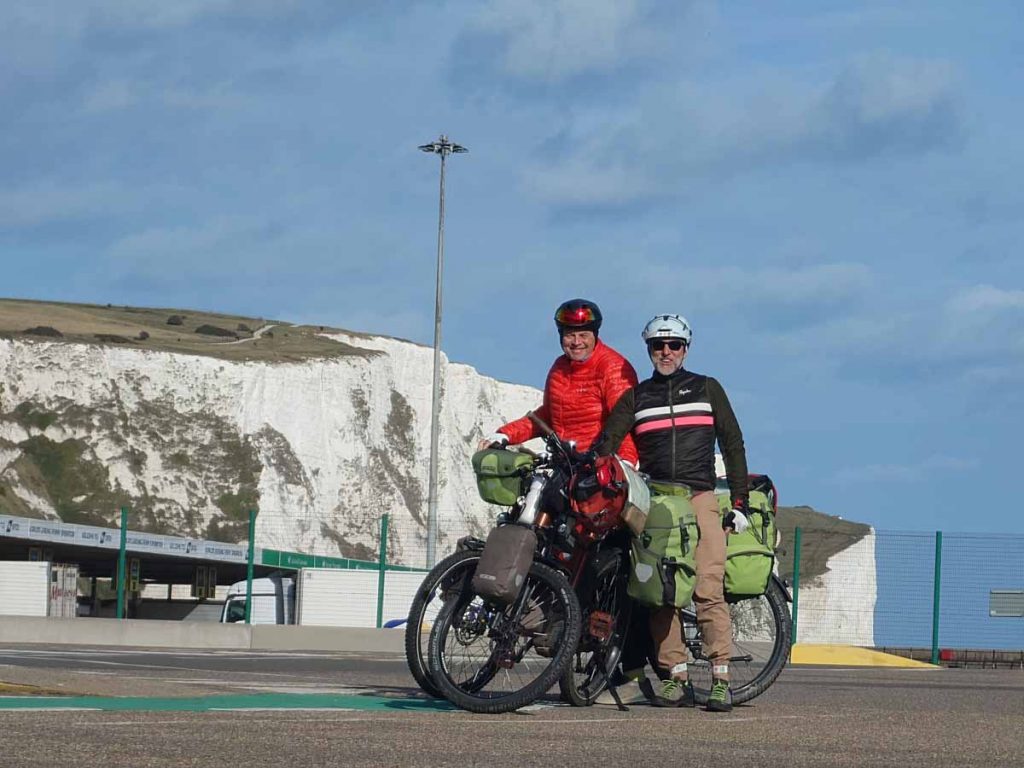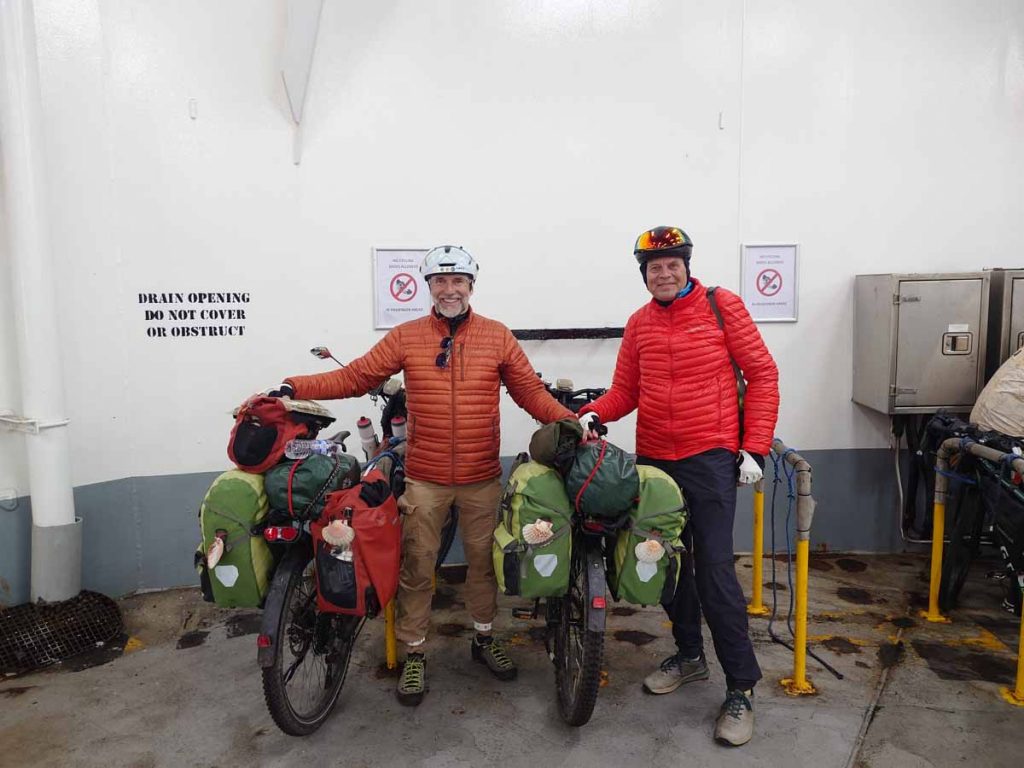
The morning started with a breakfast meeting with President Maxine Blades of the Rotary Club of Canterbury. Besides talking about our project another subject was definitely the news of Canterbury getting the first female Archbishop. We exchanged our pennants, and then it was time to get back on the road to catch the ferry in Dover.
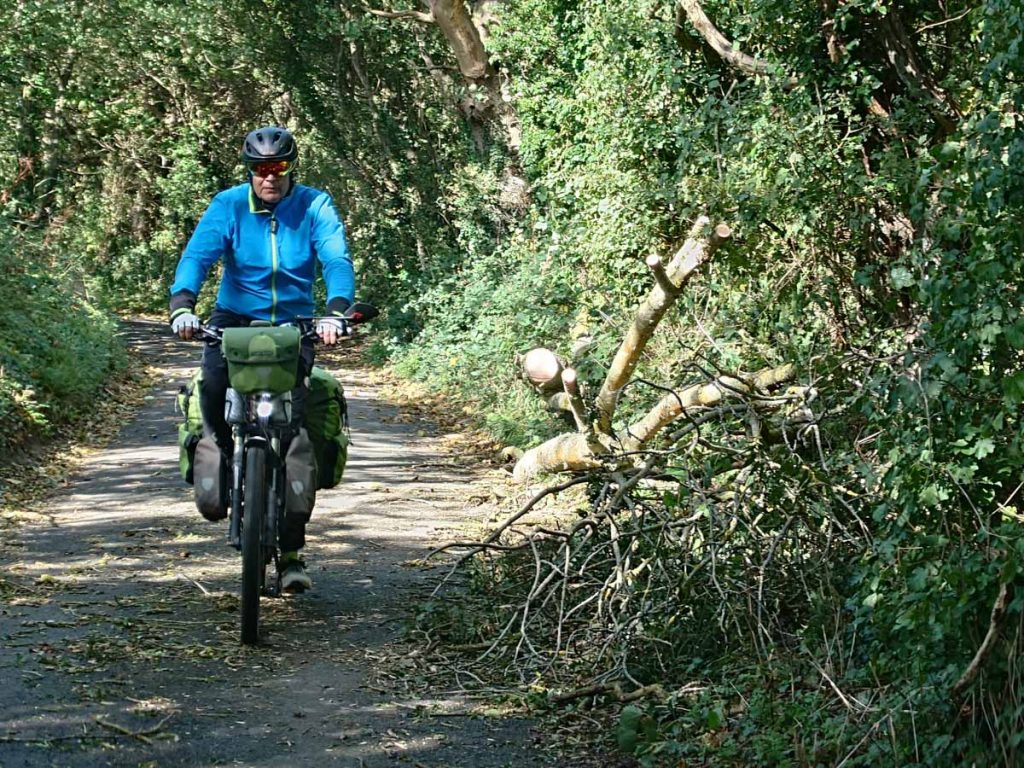
The wind was extremely strong while we loaded the bikes in the backyard. It was nearly blowing us out of town. Mostly a diagonal backwind was pushing us and maybe helped us to reach our goal quicker, but it was so violent that in forests under trees we were under the risk of being buried by them. Several trees and branches were already blocking the path.
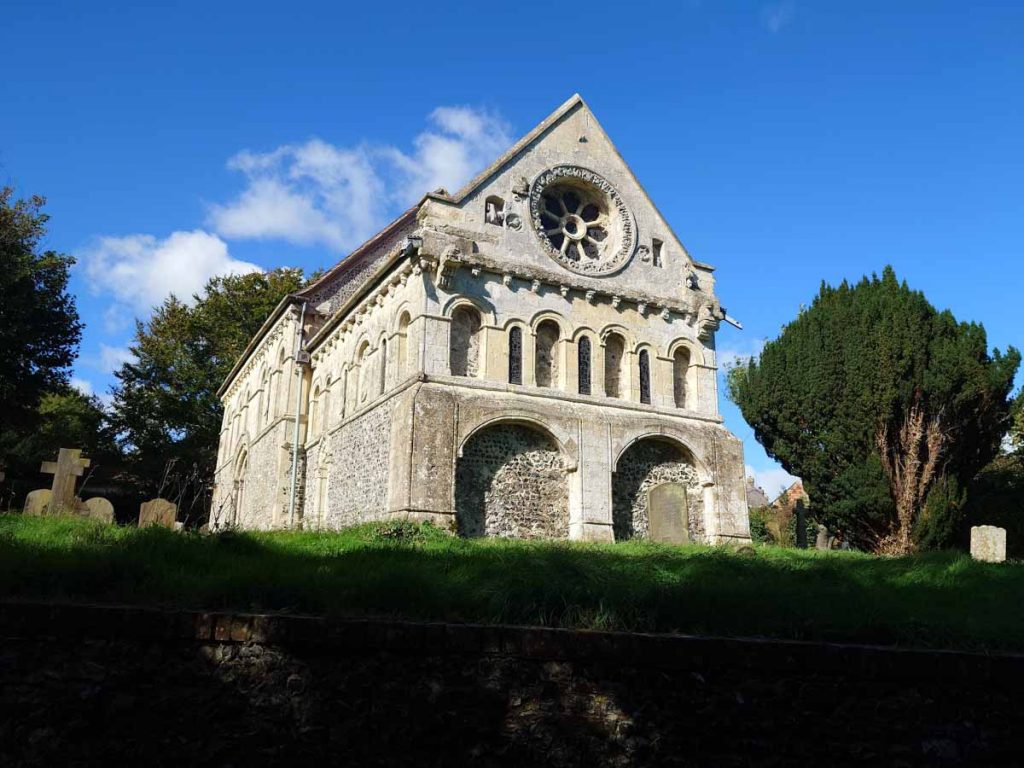
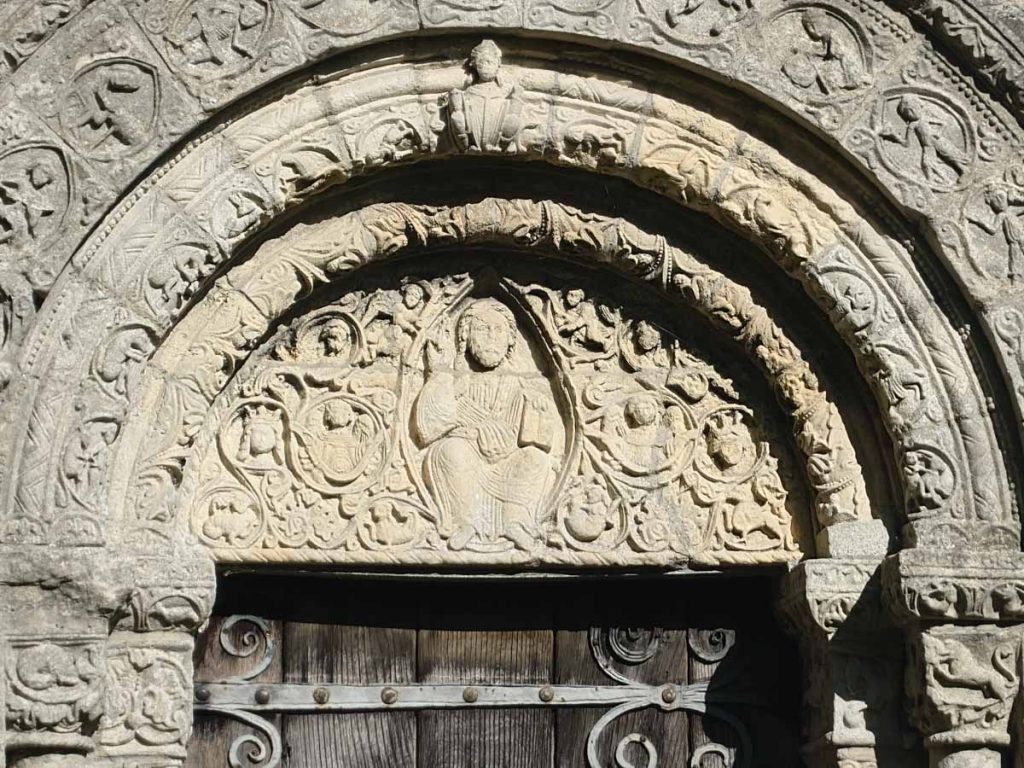
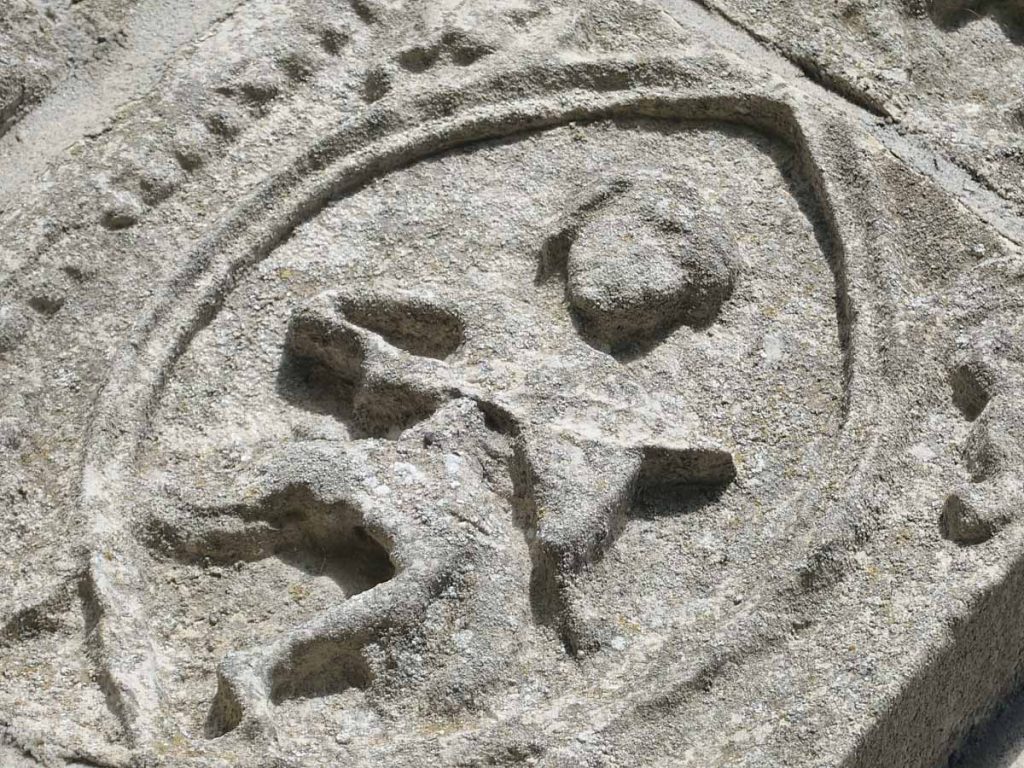
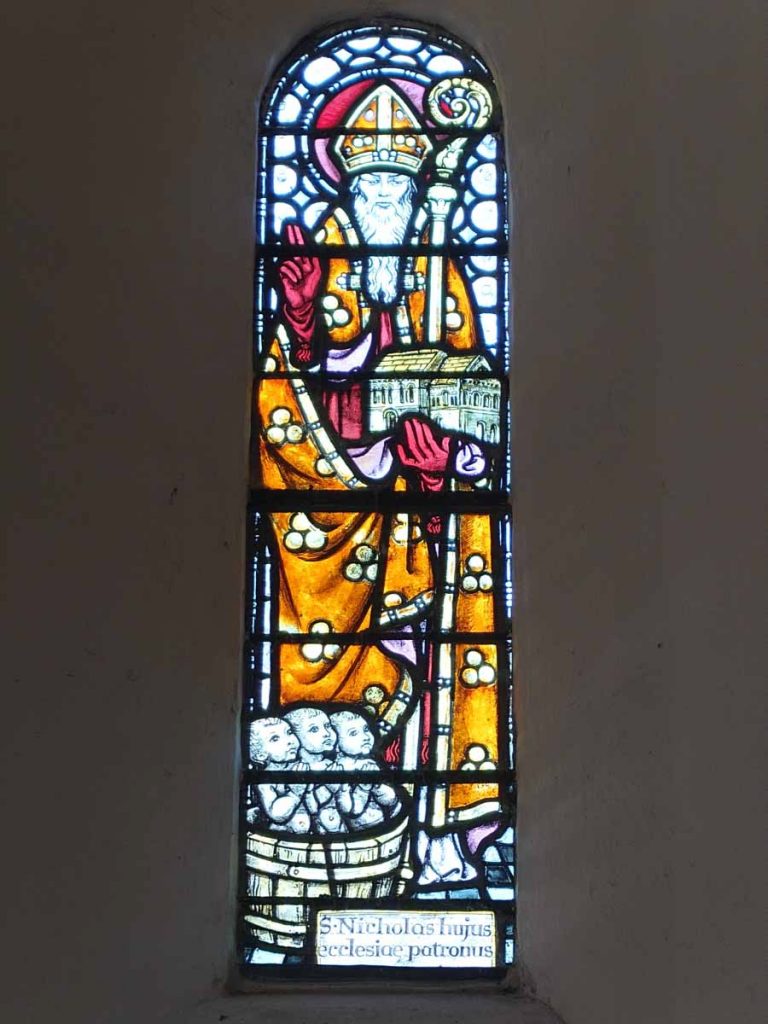
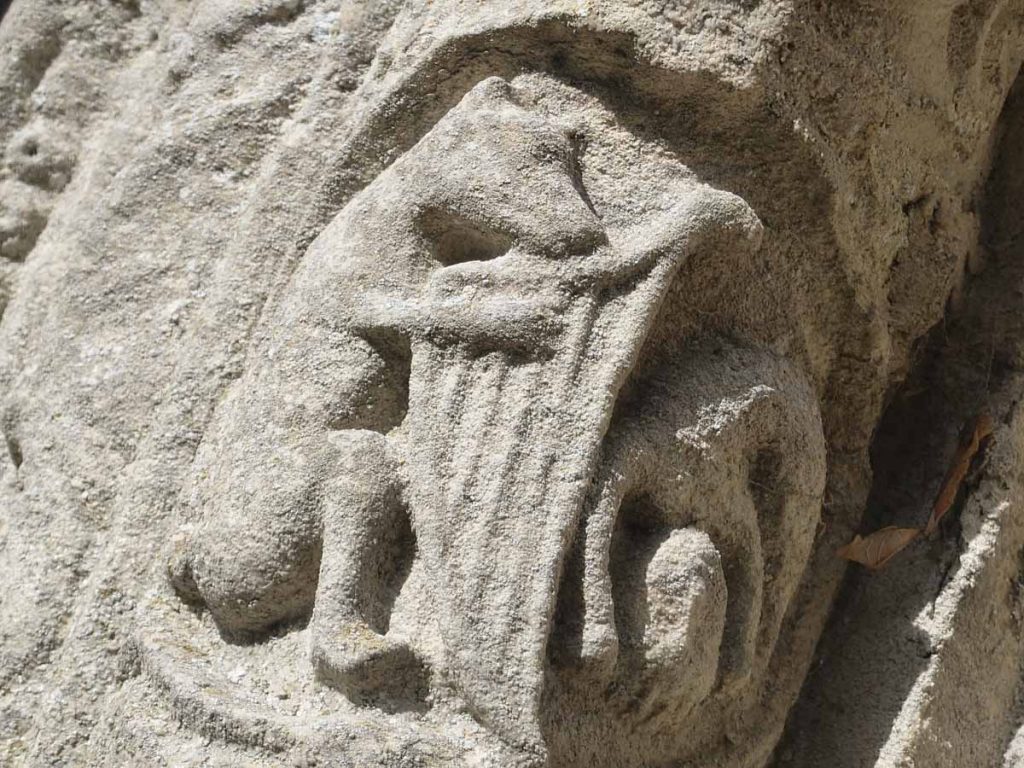
Being again on a pilgrims trail we discovered in a little village called Barfrestone a small church under the patronage of Saint Nicholas, being one of the best masterpieces of Norman architecture in Britain. It was probably founded by a Norman knight called Hugo de Port in the second half of the eleventh century. The beautiful stone carvings of more than 100 pieces were added between 1180-1185. The doorway even shows animals playing musical instruments.
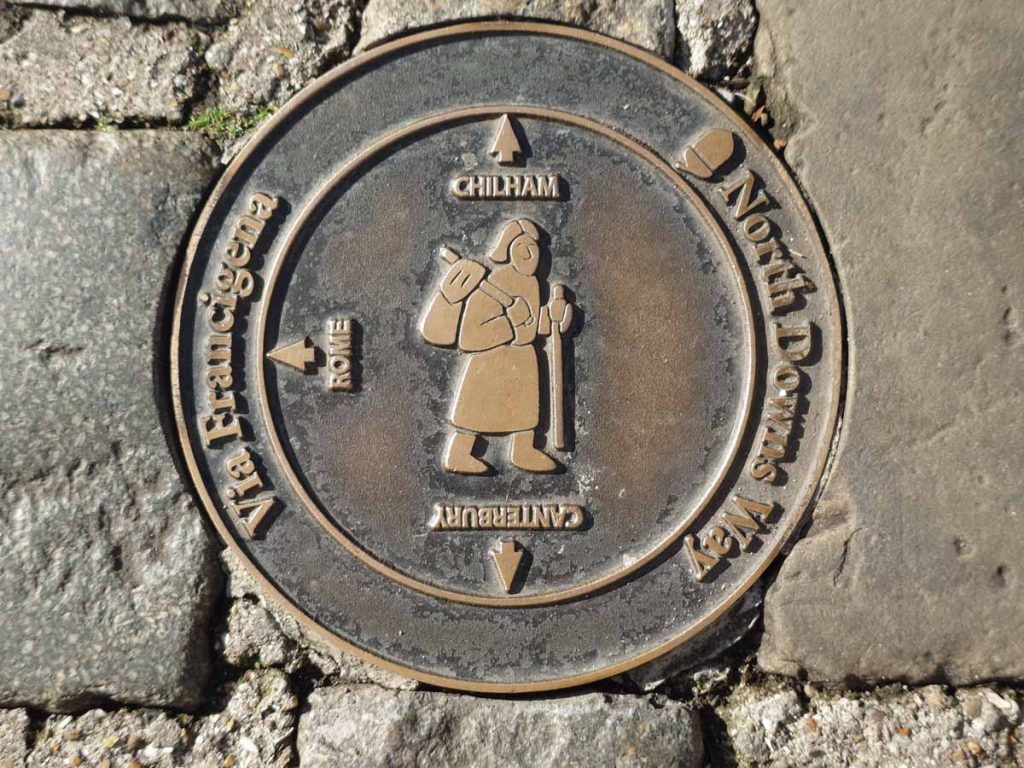
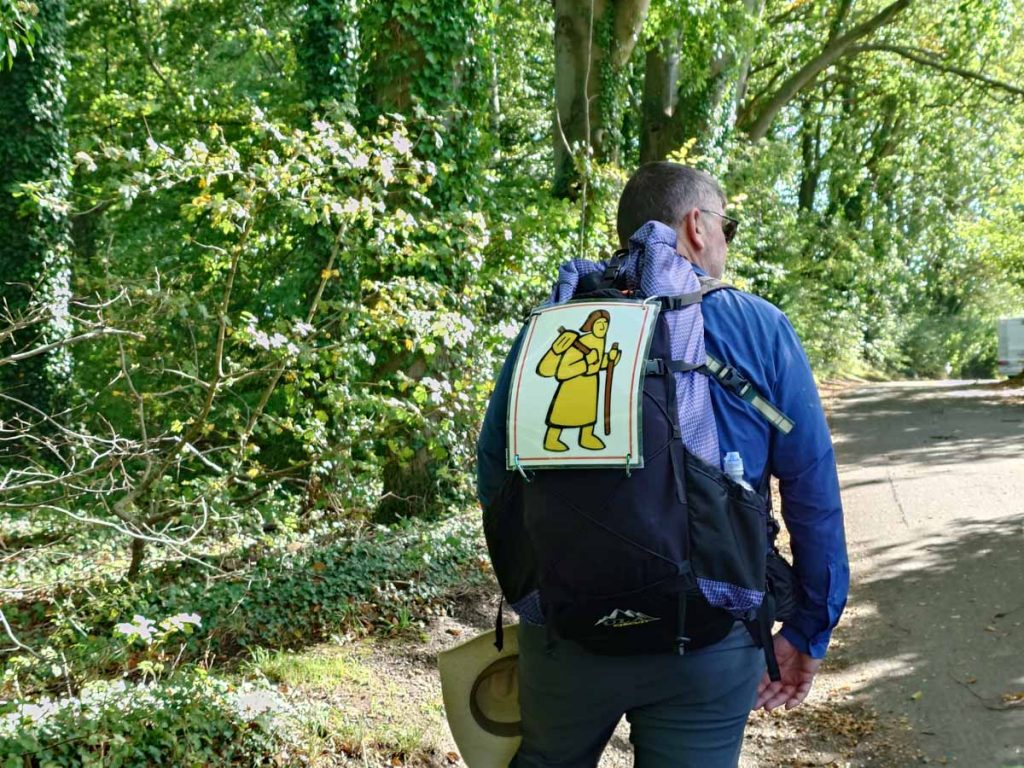
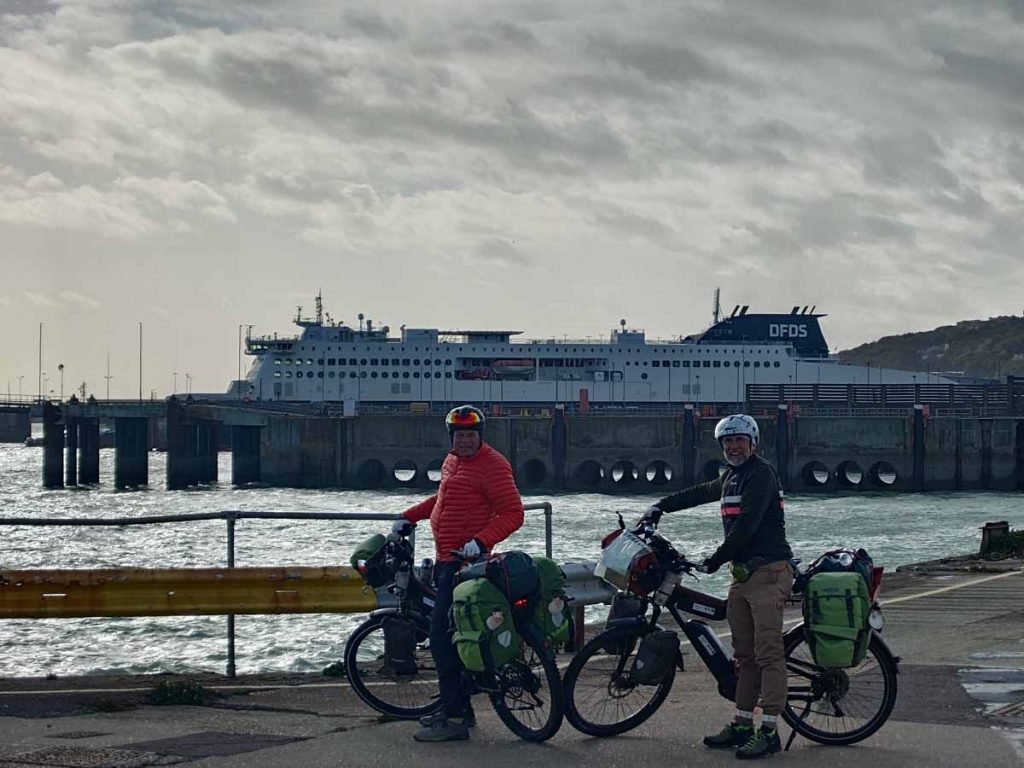
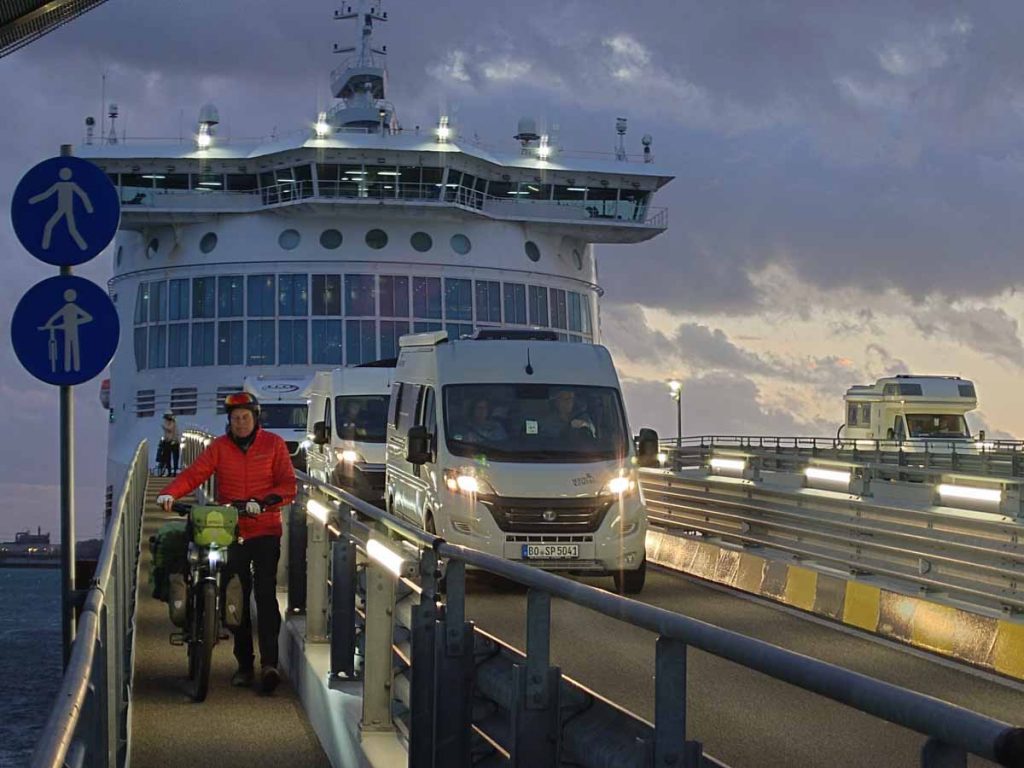
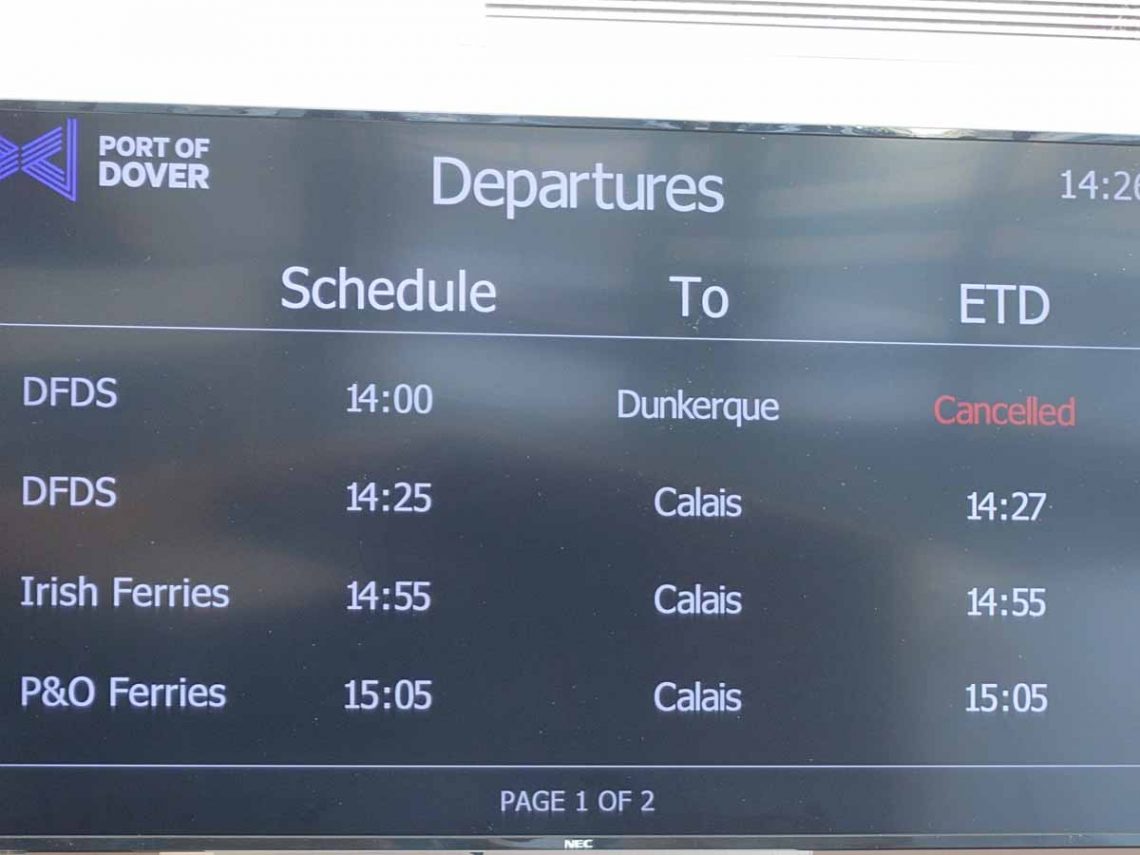
We met a pilgrim on his way and had a bit of a Camino feeling even in Britain. But this island showed us also how exposed it can be to the impressive power of a storm building up in the Atlantic ocean. We had not even reached Dover when Robert already got a message that the ferry we had booked was cancelled. We nevertheless continued to the terminal to find out what would be the next alternative, and it looked like we could take the following ship two hours later.
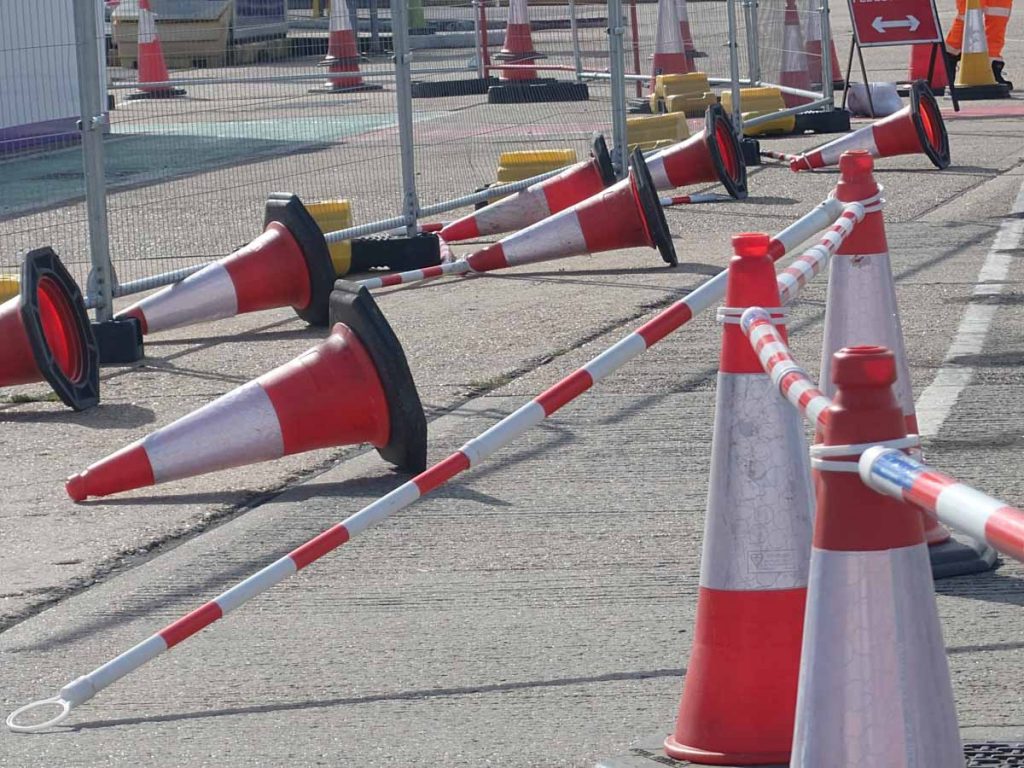
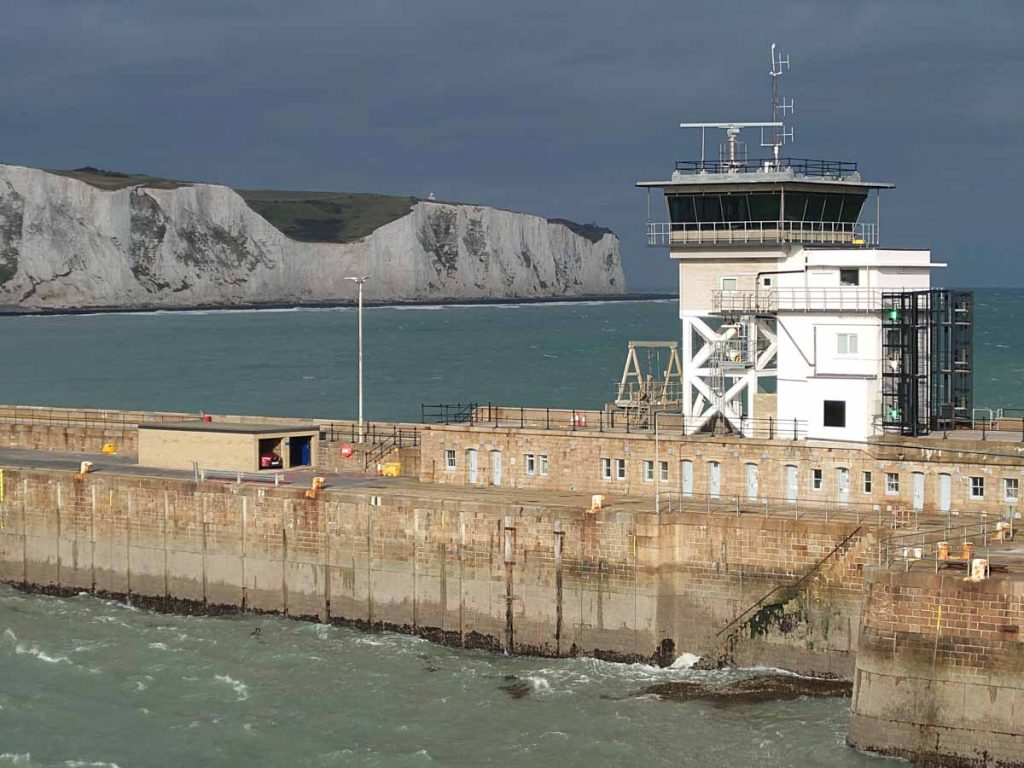
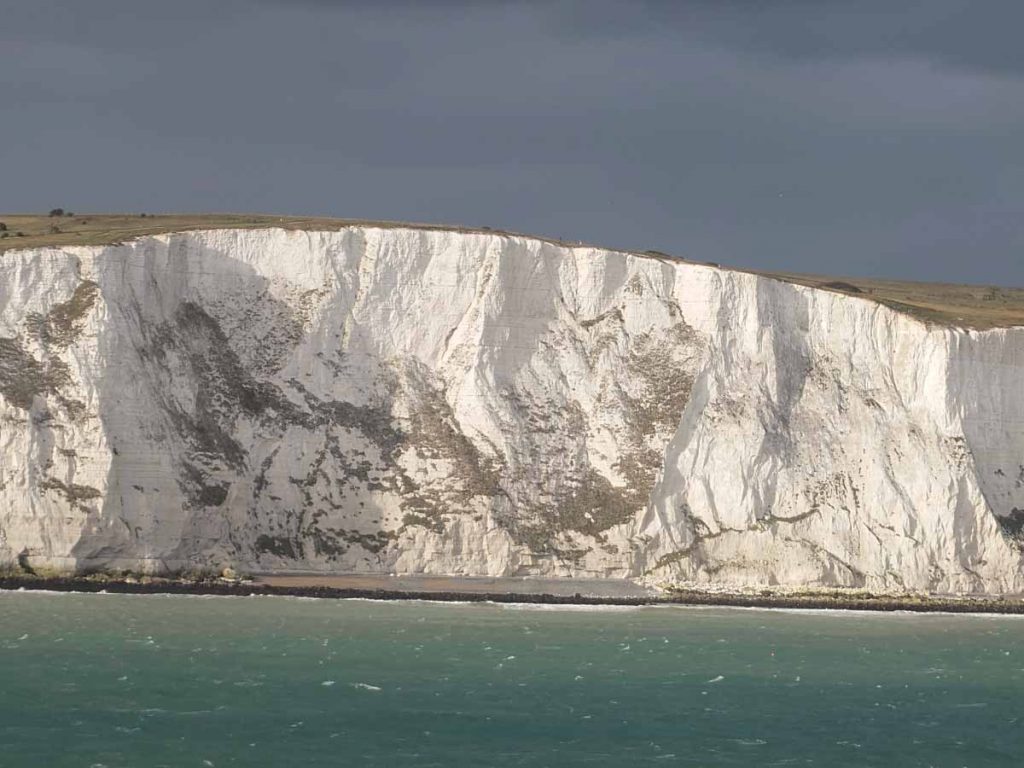
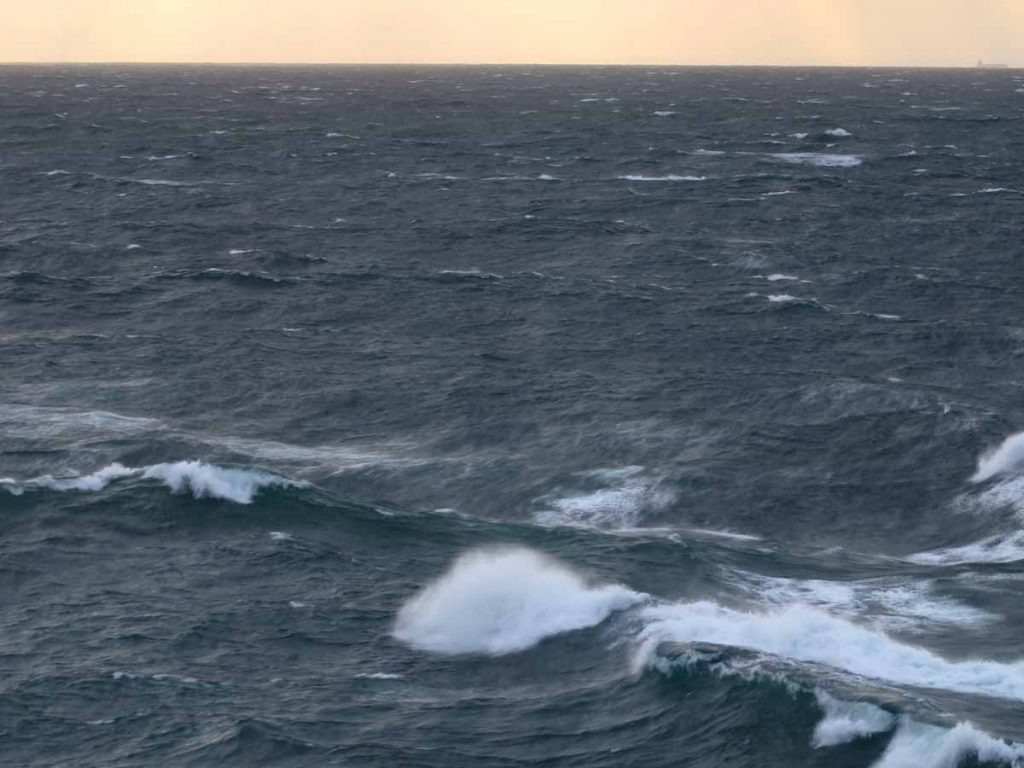
So we had to wait while the ocean was cooking behind the breakwater. The light was changing quickly with the clouds moving fast in the sky. The chalk cliffs turned from light white to dark grey, with blue sky or black walls of wind clouds behind them. Anything not being fixed to the ground was flying away like all the traffic cones that were rolling over the field.
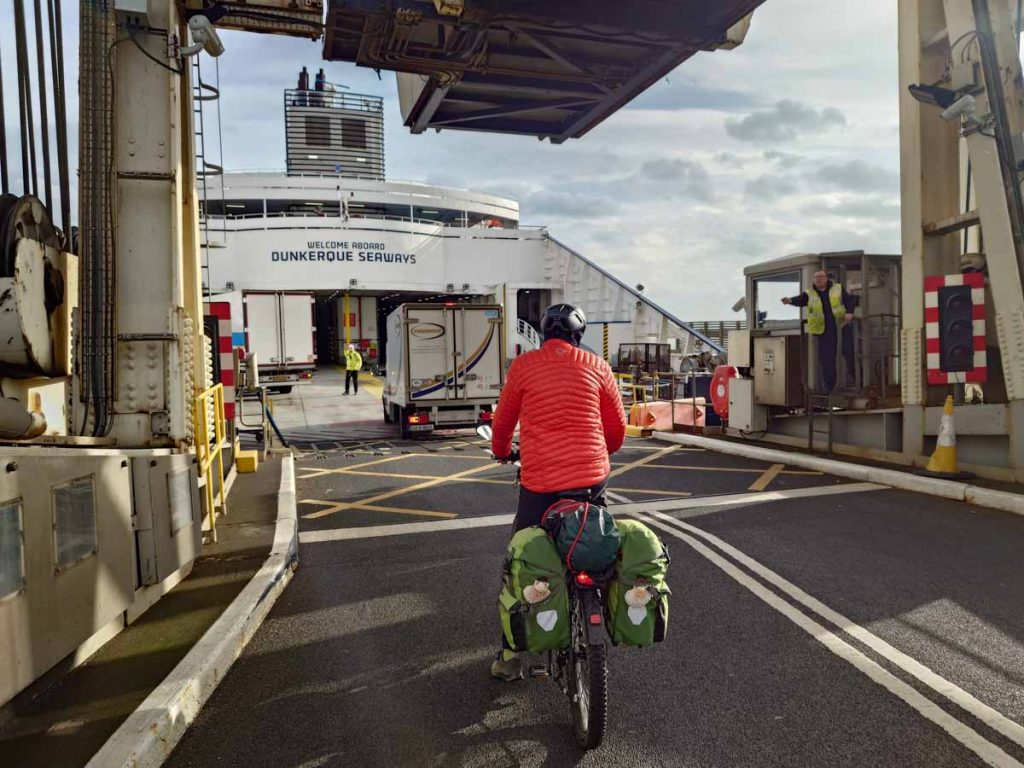
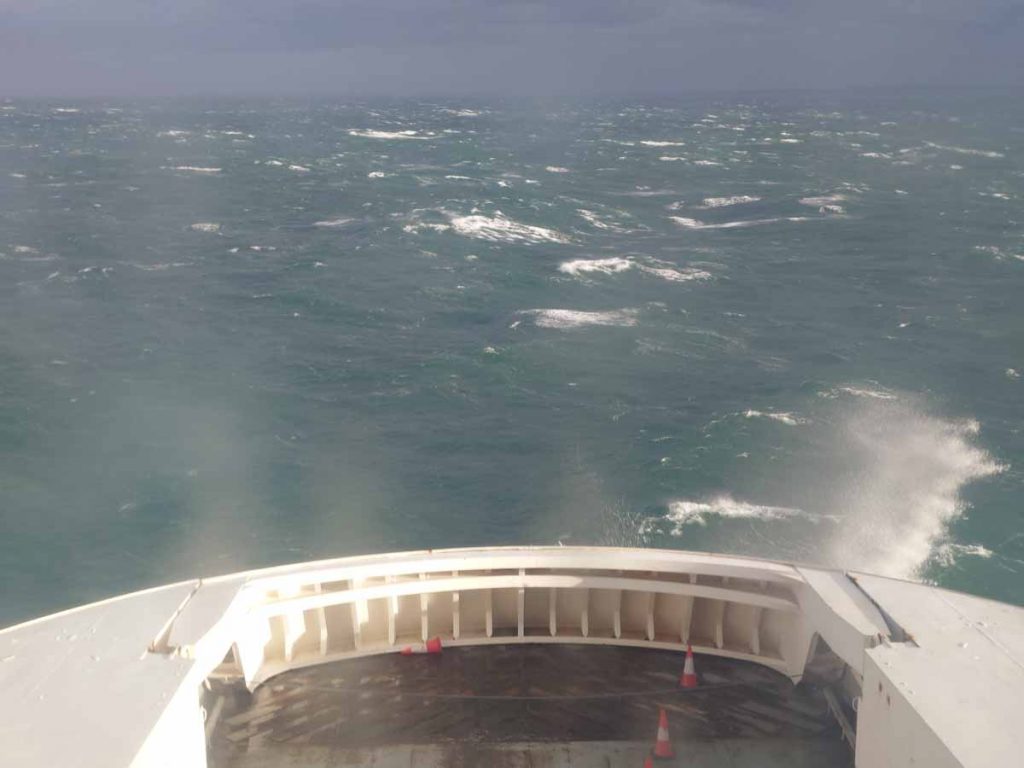
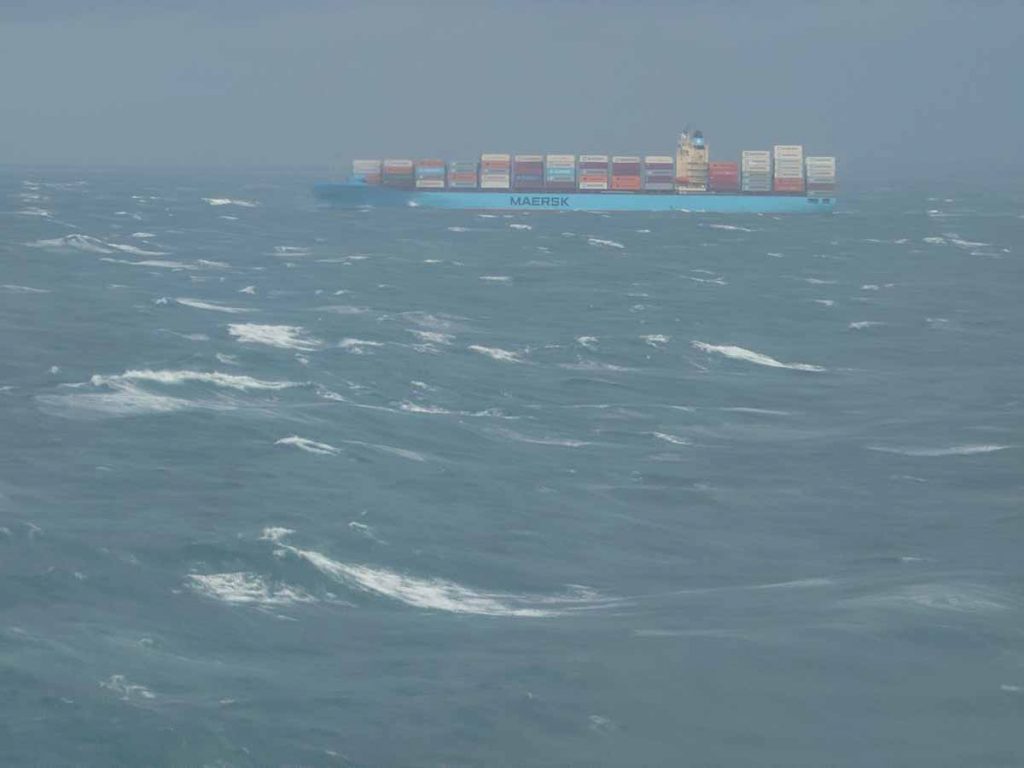
Already the waves inside the harbour were several meters high. So once we were on board and the ferry left the safe haven we felt the rolling sea extremely strong. Long container ships at the horizon were moving up and down the white walls of water like little toy ships. It was not easy to walk in a straight line under these conditions, because you always had to balance out the gravitation in a seemingly stable environment which was fooling you. Especially once you were losing eye contact with the horizon, being caught in a room without windows like the stairways, you walked like a beginner.
We arrived in Dunkerque at dusk. Well it’s called the Ferry Port of Dunkerque, but in reality it’s an industrial port in Gravelines 20 kilometres from Dunkerque. Everything was organized for cargo trucks and containers, and as bikers we felt lost in this environment. Fortunately once we reached the main road to Dunkerque it had a proper bike path, and we were happy to see a good bicycle infrastructure again.
Two bikers from New Zealand who were also on the ferry followed us because they had completely lost their orientation. They planned to do most of their travel by tent. After we had left the industrial areas we passed dark forests. But they were not completely dark. Every now and then you saw suddenly some lights shimmering between the trees. The New Zealanders thought it might be a camp ground, but we immediately knew these were not vacation destinations.
The forests were full of illegal camps of refugees all driven by the hope of trying somehow to smuggle themselves on board of a container ship over the Channel. In the twilight of the upcoming night they were leaving their hideout, and wearing dark clothes made them nearly invisible. We had to be careful not to run into them with our bikes, because we could see them only in the very last second.
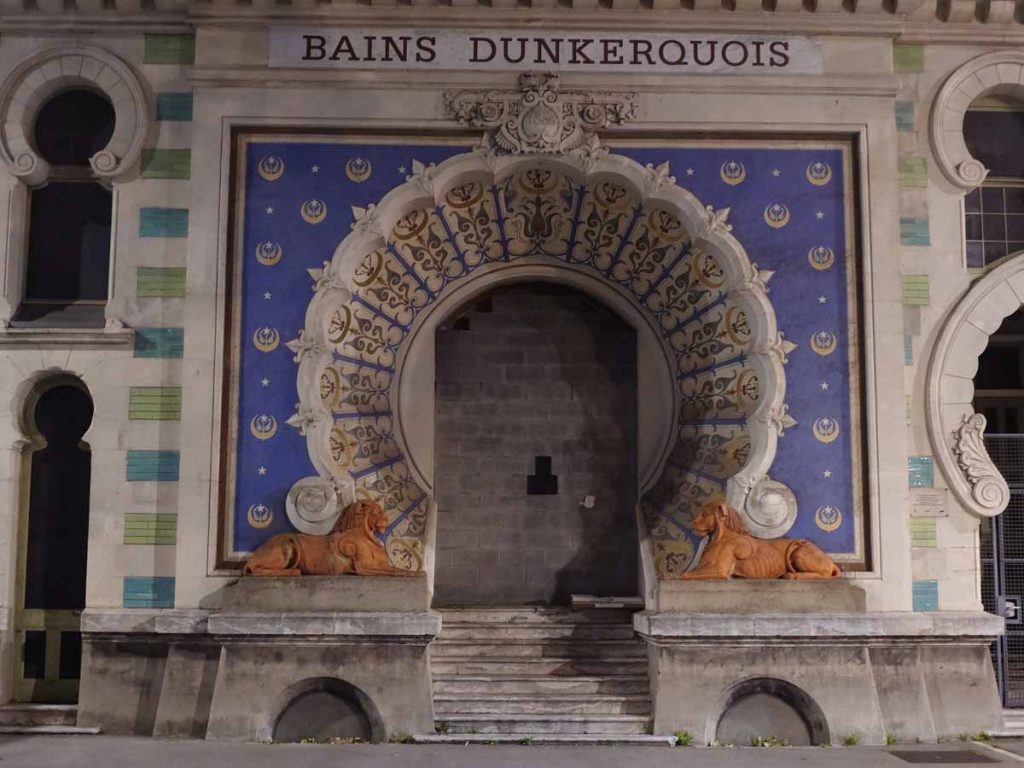
It felt awkward to experience all our freedom of travelling, being able to cross borders even by bike without even having to think about it, while we were surrounded by hundreds of people risking their lives for having this opportunity. After such a wild stormy day they did not have the chance of taking a warm shower and chose a dinner from a menu like we were able to do in the “Auberge de Jules” in the old town of Dunkerque.