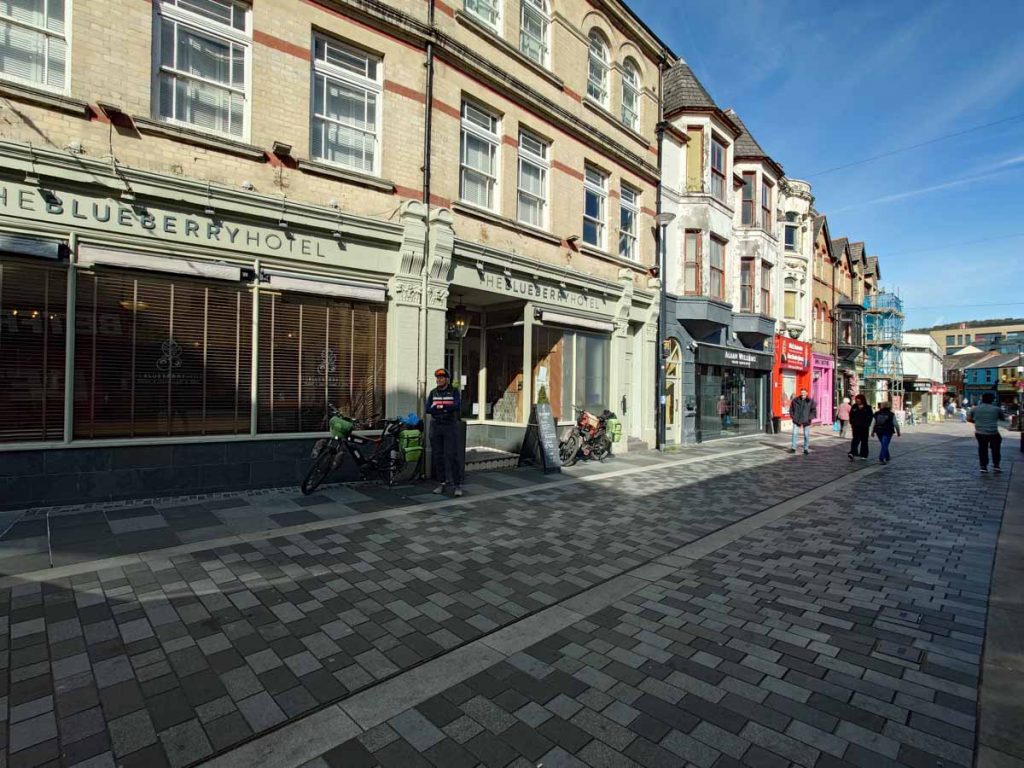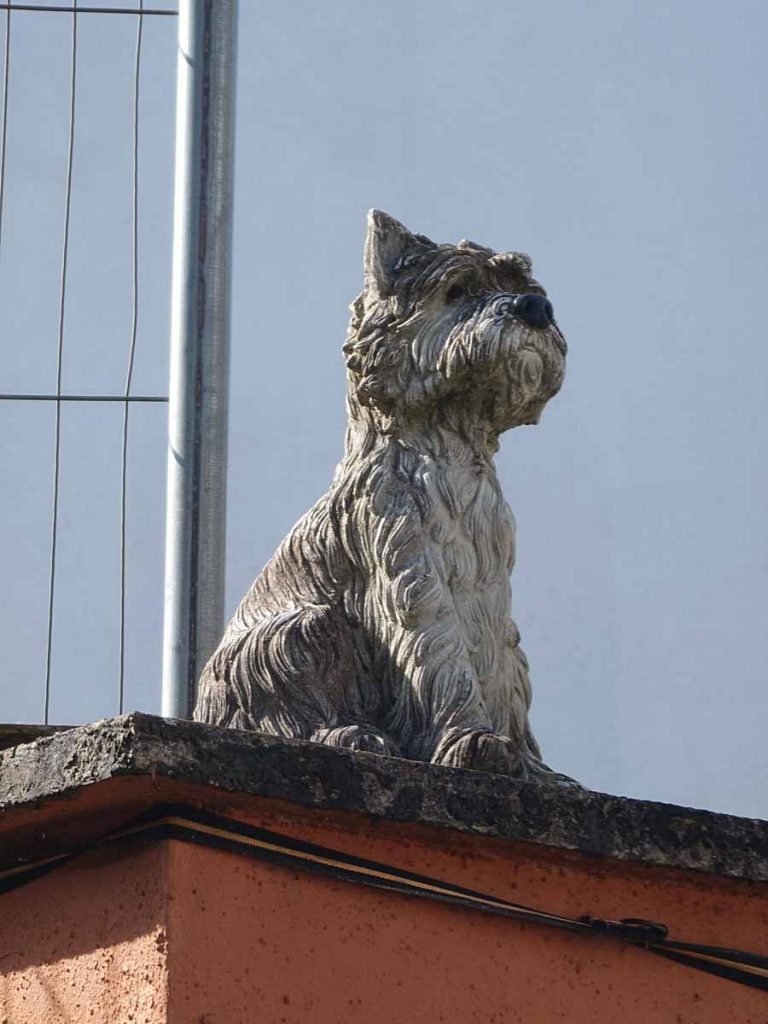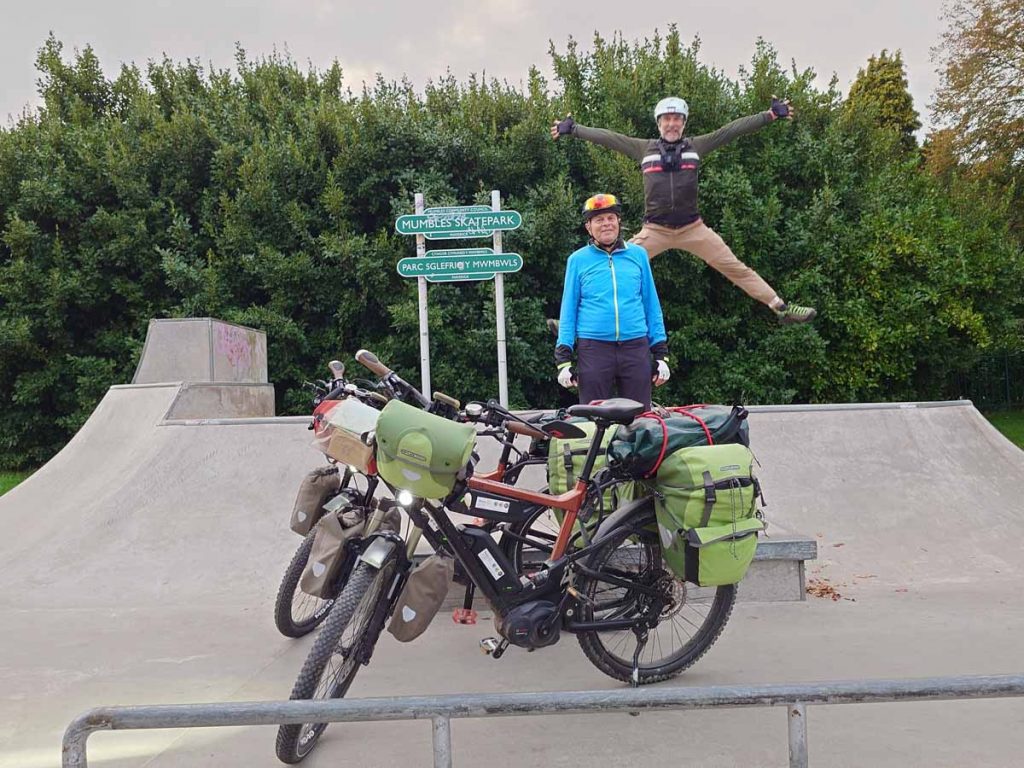
It was not quite evident how to get out of the octopus highway arms of car friendly urban planning to leave Pontypridd by bike, and we had to take a road twice to reach the Celtic Trail again. We were lead onto very steep roads uphill through the suburbs to get back on the National Cycle Network route number 4.
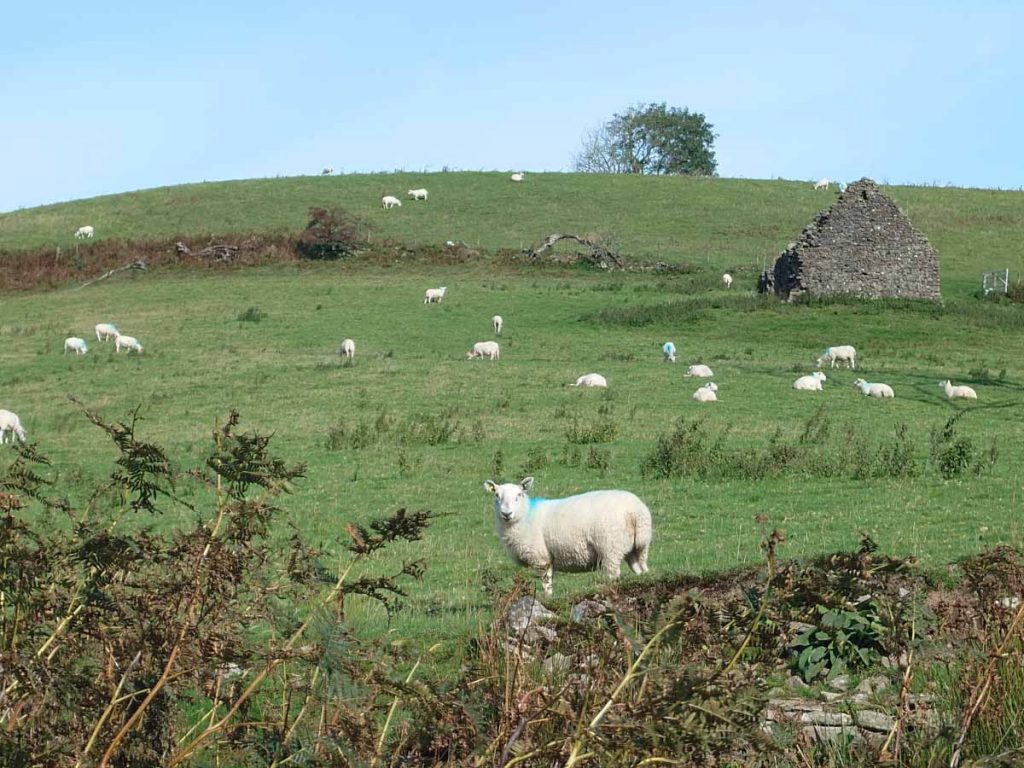
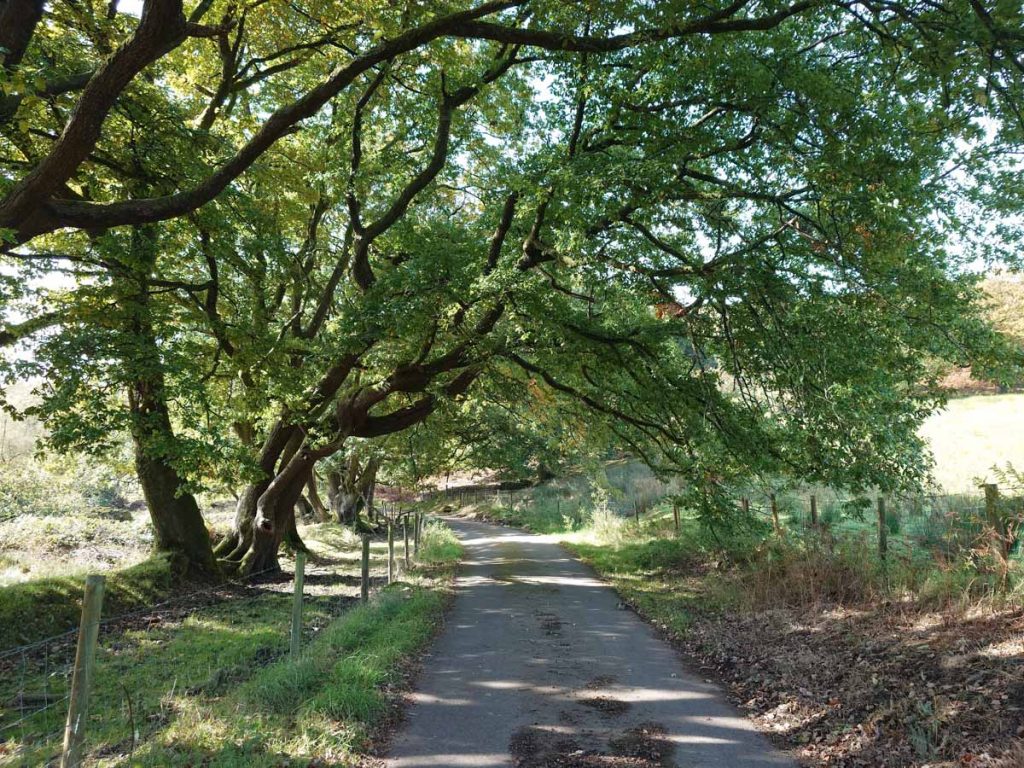
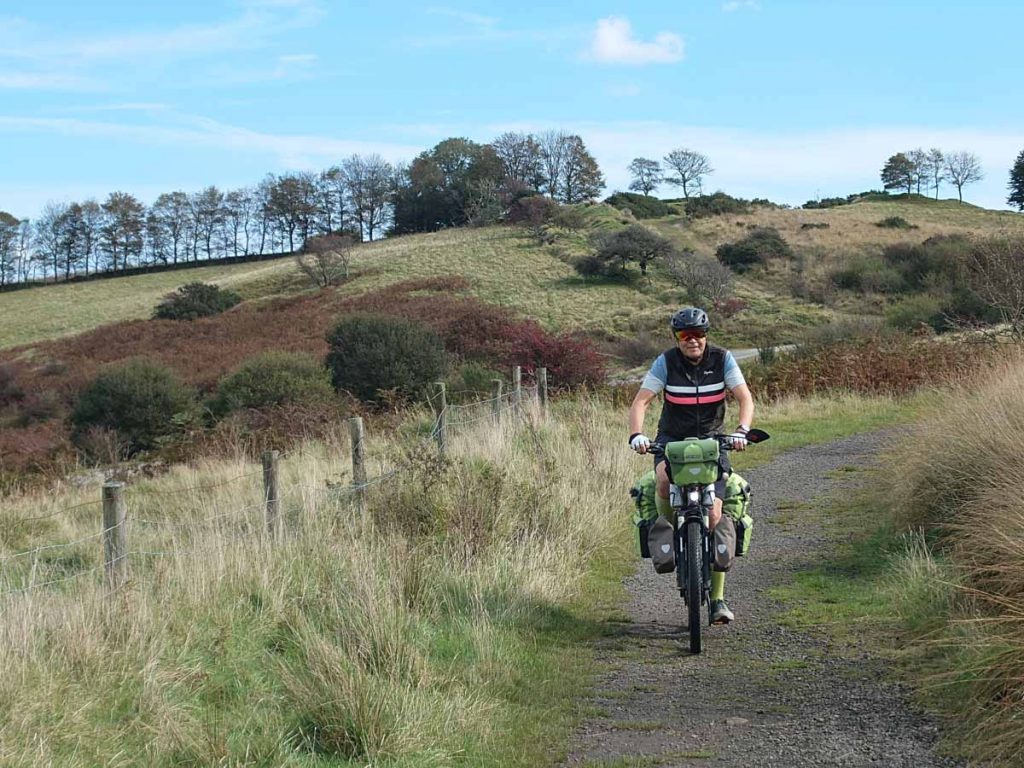
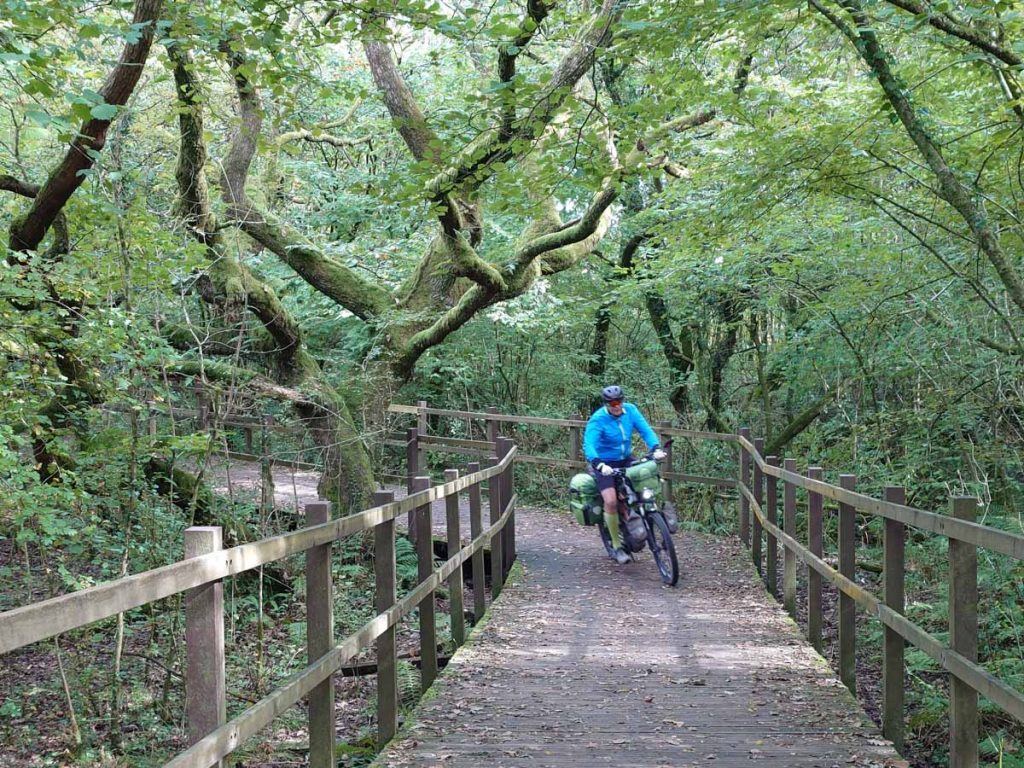
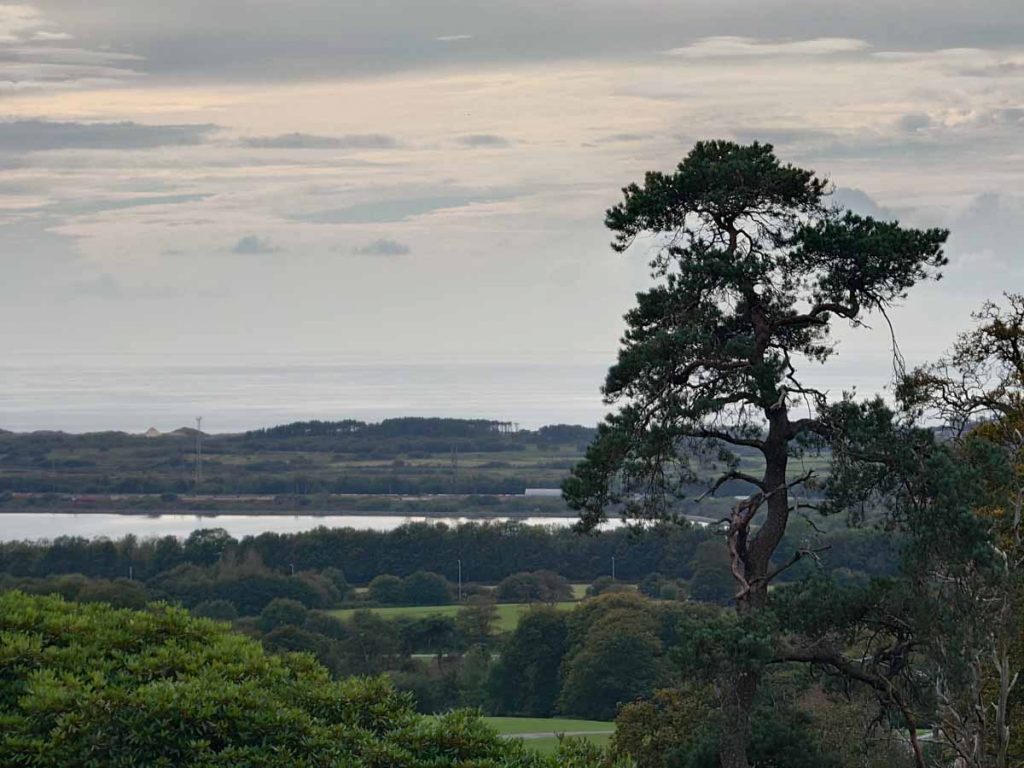
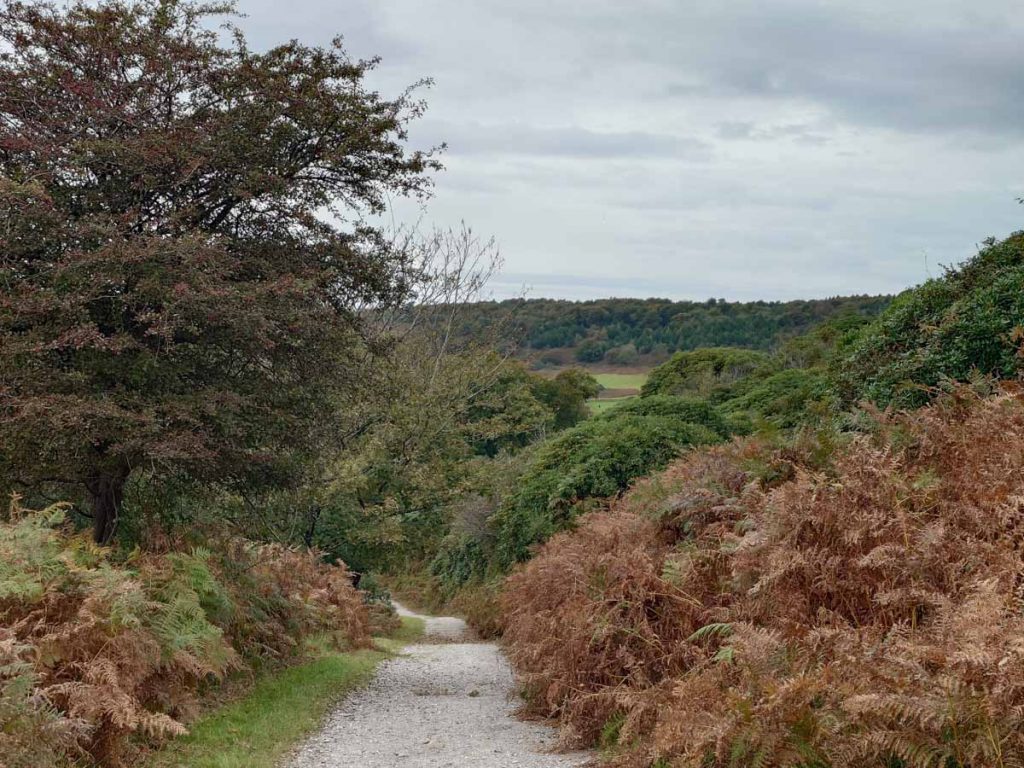
Once we were up in the hills we shared our freedom again with the sheep and the birds. The trail followed an old railway track again, which must have served for the mining villages to reach the coast. It was going over rolling hills in autumn colours and green valleys with wooden bridges over green swampy river beds.
After we passed the northern outskirts of Bridgend (or Pen-y-bont Ar Ogwyr as the Welsh would call it) we couldn’t find something for lunch. The only place which was on our way was a restaurant in the Park Slip visitor centre, which was so packed that they recommended us to take just cakes if we wanted something quick as cooked food would have taken forever. So that’s what we had with a cup of tea.
We kept on going by sugar driven energy, not having continued our tradition of being prepared with sandwiches like in France or Spain. We were already missing Peri’s lunch bag with her sandwiches from yesterday, and had totally forgotten about a hardboiled egg, which Robert would discover in his bag days later. But as we travelled on we had even less access to any grocery store along the way, because we entered the pure wilderness of the Margam Castle Country Park.
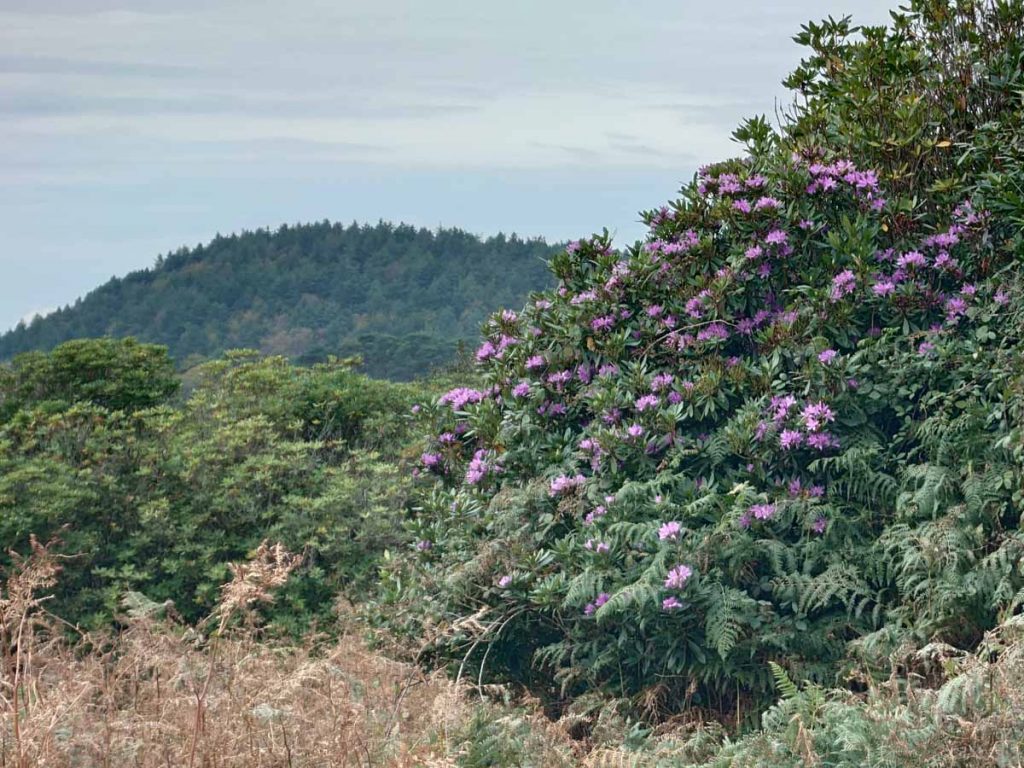
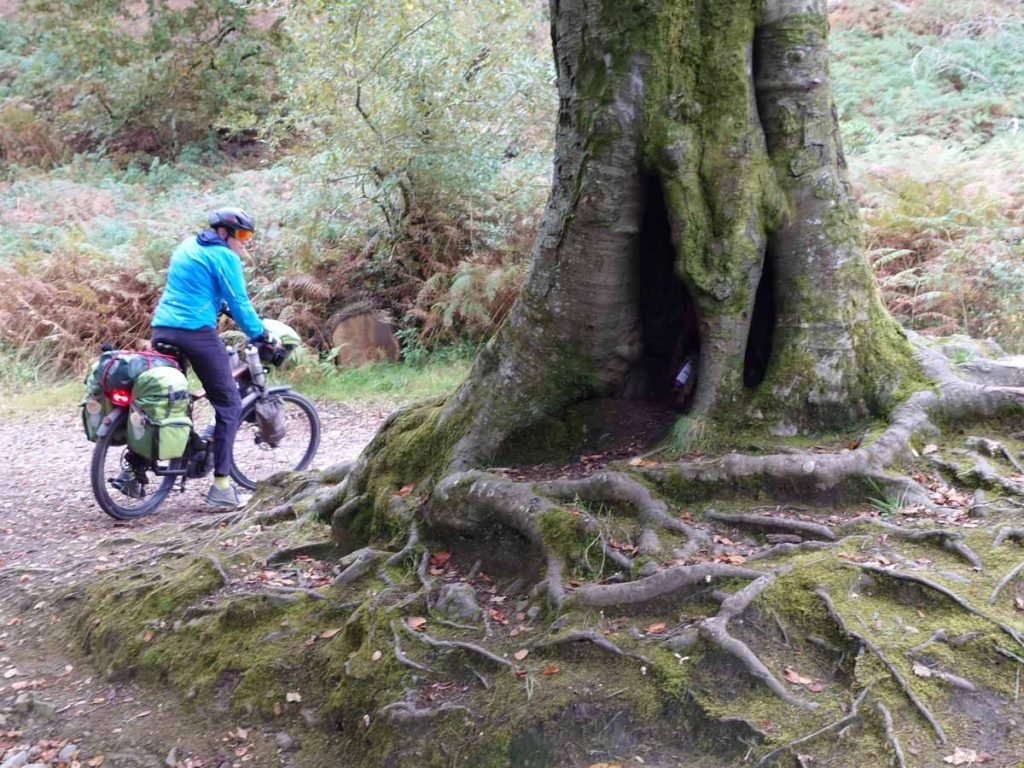
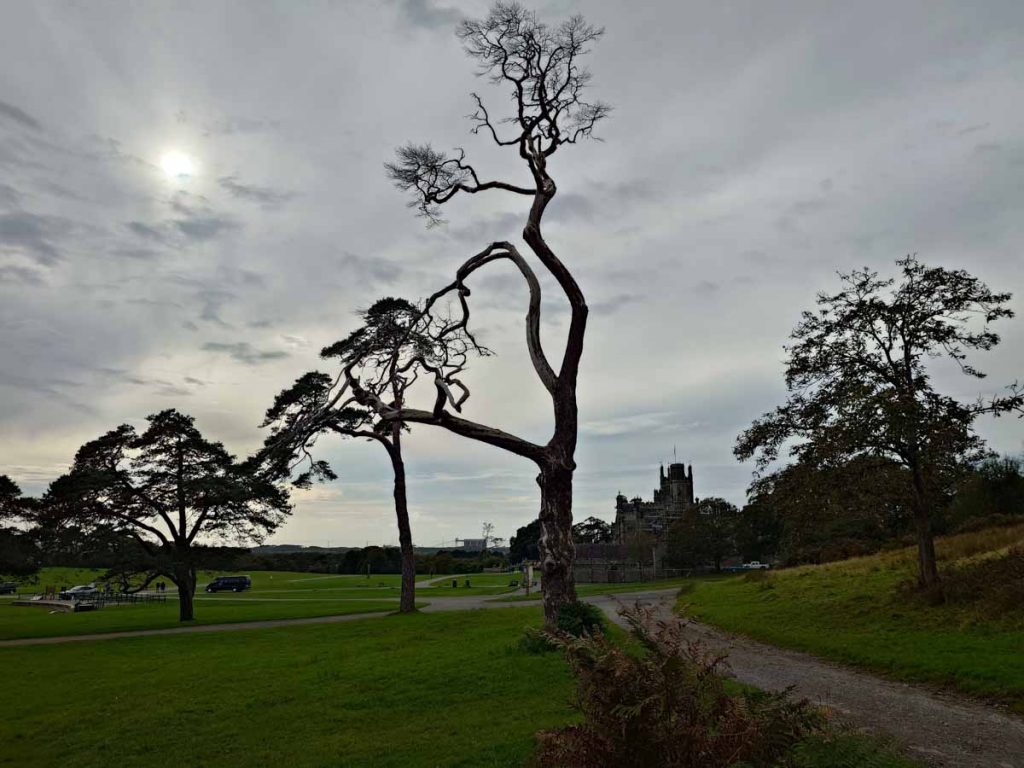
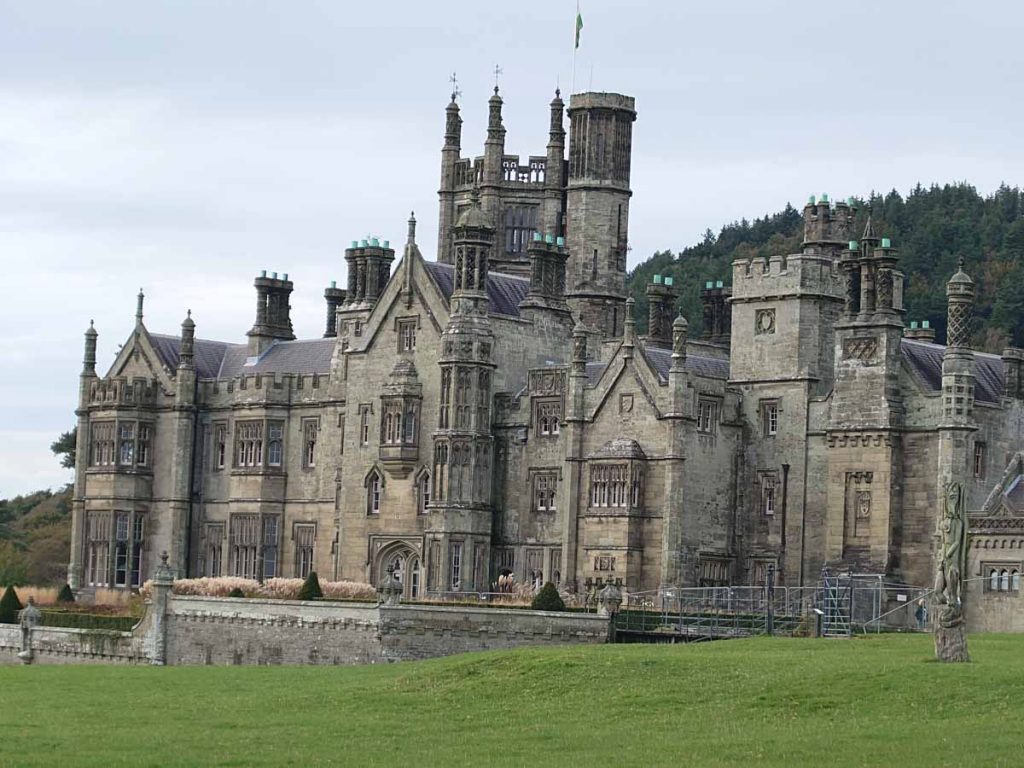
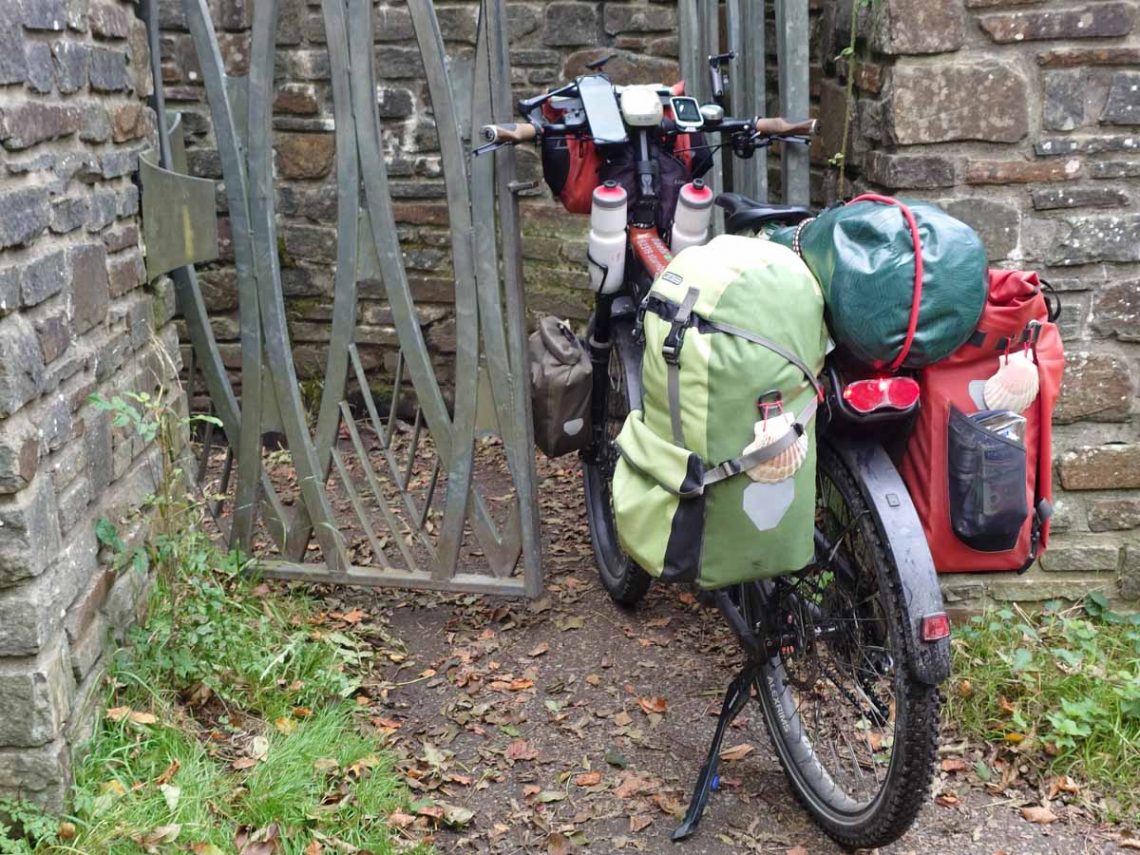
The mild climate of the Gulf Stream allowed the rhododendrons to even create a second flush in the year, and there were huge ones which, although not reaching tree size like in Nepal, were much bigger than the bushes we know from our gardens in Germany. Our wheels were jumping over hundred years old tree roots and rolling along tickling creeks until a wrought iron steel gate blocked our way. The official map was showing us that we were on the right bike trail, but there was no possible way to get through this narrow passage. So we were forced to bike back and take another route, which was leading us to a huge castle.
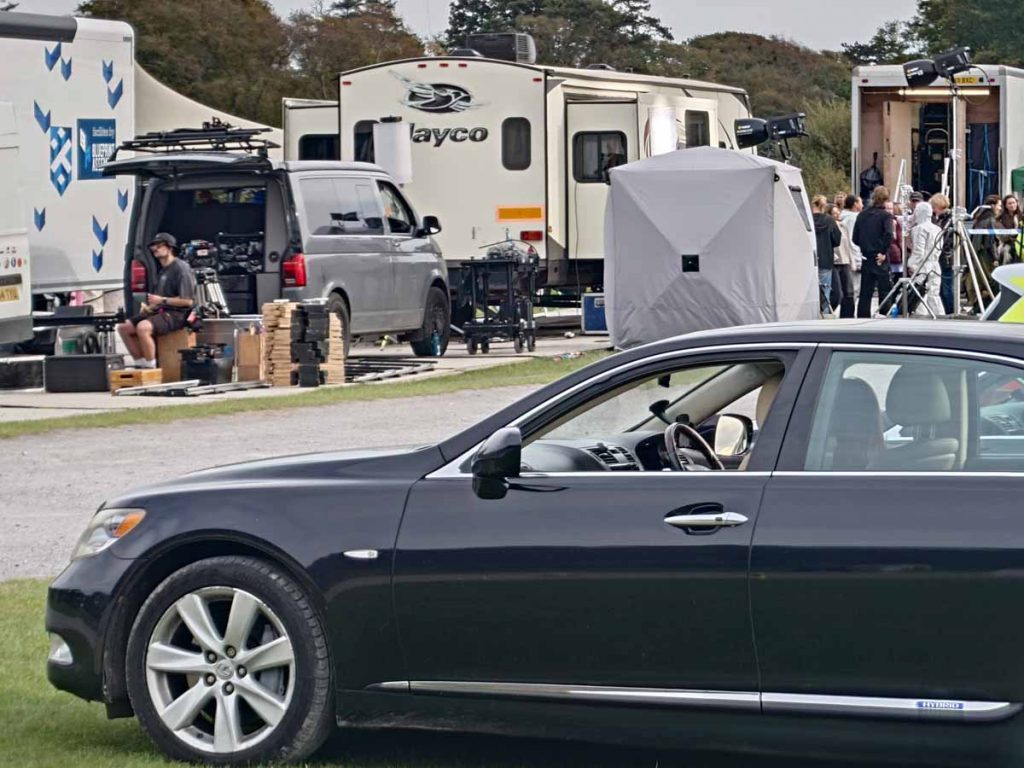
We found a little café near the visitors centre where we could at least get a sandwich and a cup of tea. The visitors centre itself was closed because the whole surroundings of the castle were under siege by a fully equipped film team with all it needed. Trucks for energy, technical and food supplies, caravans for the actors and their dress and make-up assistants, and extra security. As we were watching from far distance a family broke out of the crowd walking their dog.
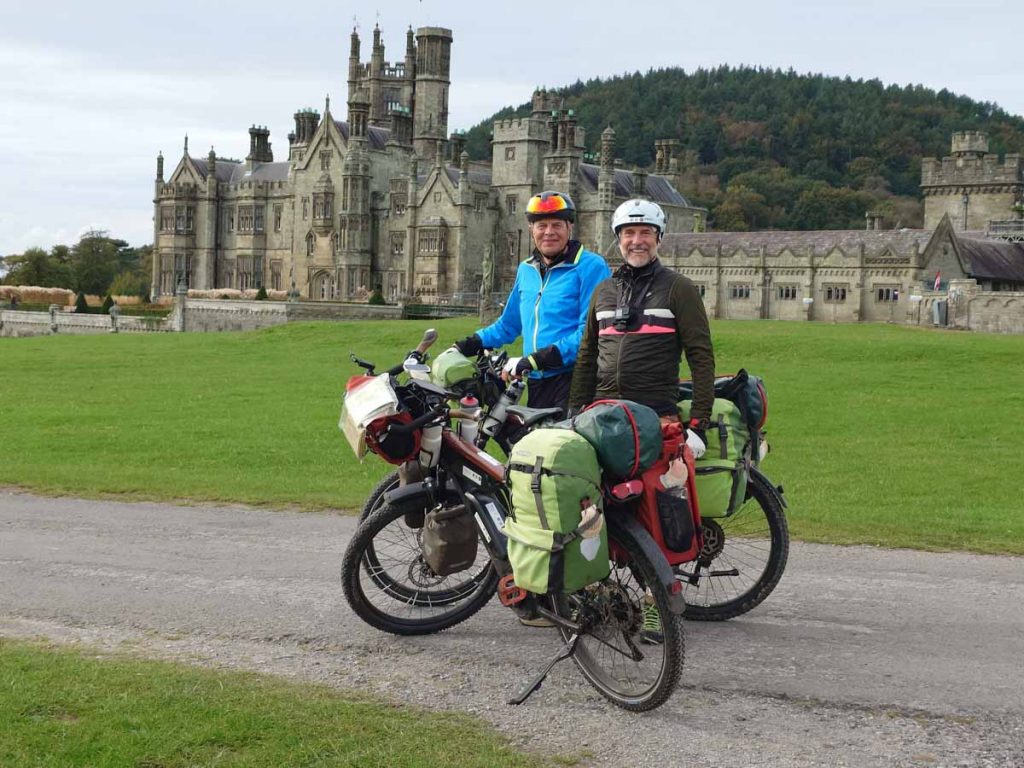
We asked them if they knew what was going on, and it seemed like they were quite well informed as they could proudly tell that this site had been already in quite known productions like the Da Vinci Code, and is now used for a medieval series. You could tell from the three generations being together that they were just curious themselves what was happening on their property (as we assumed it was). We told them that their property was so safely guarded that we even couldn’t get out of it anymore because their gate was way too small for bikes to pass through. They immediately knew which gate we meant. Their son was happy to take a photo of us on our “Less-is-more-Tour”-Eco-project, as he was going to study ecological economy himself.
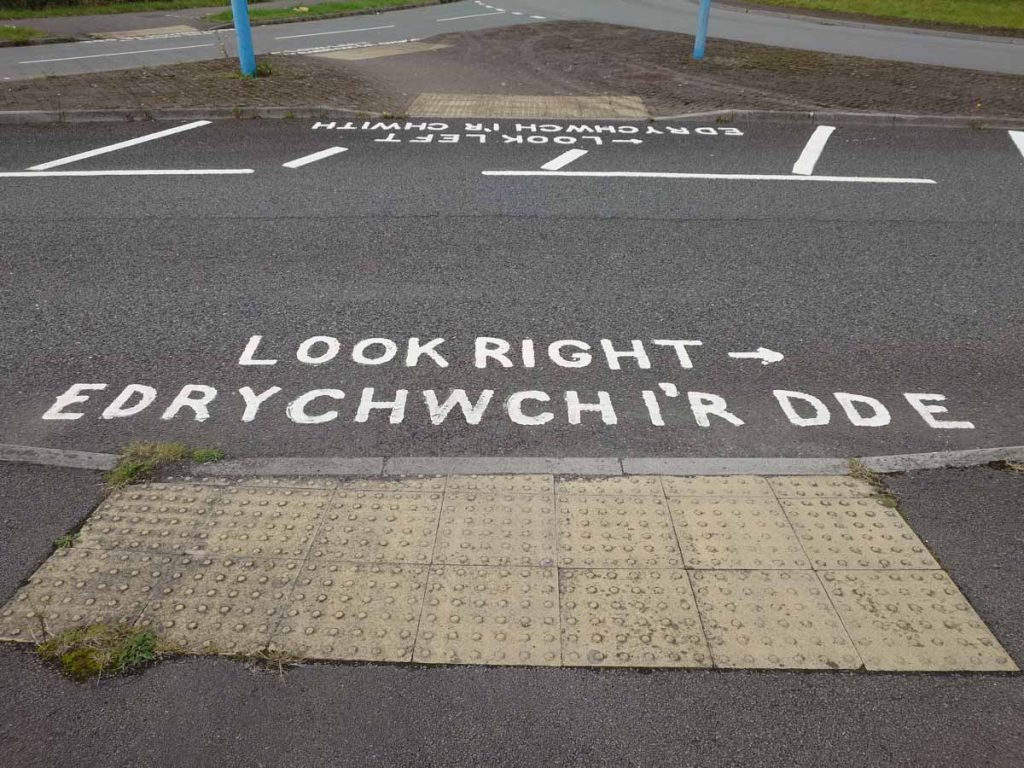
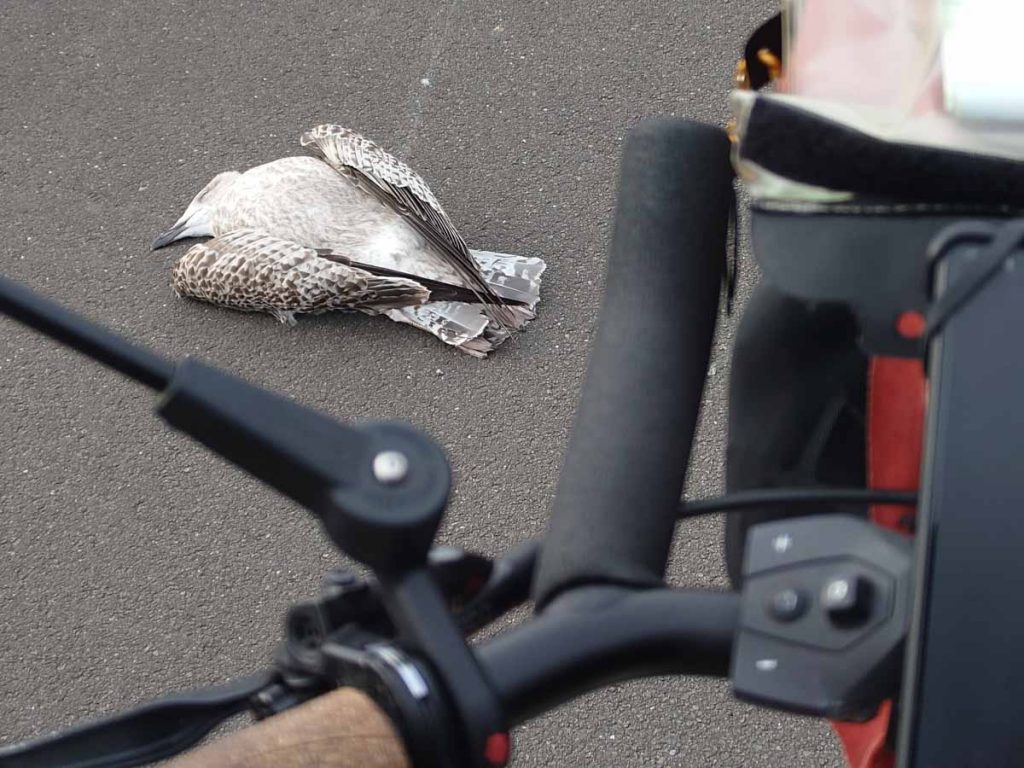
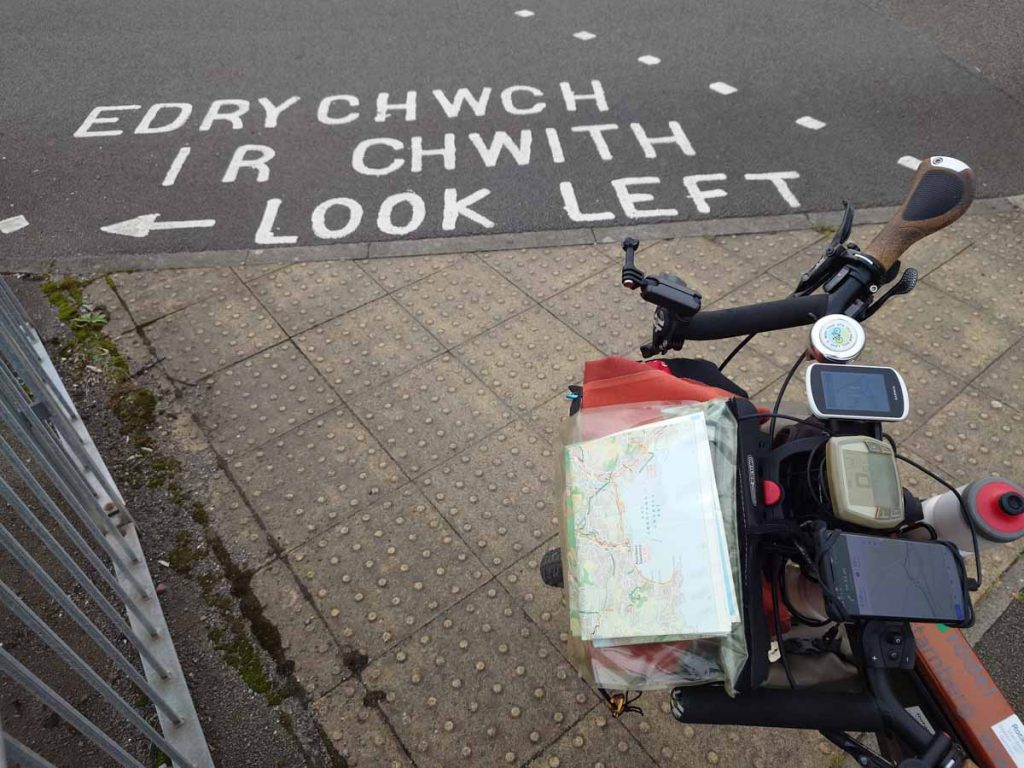
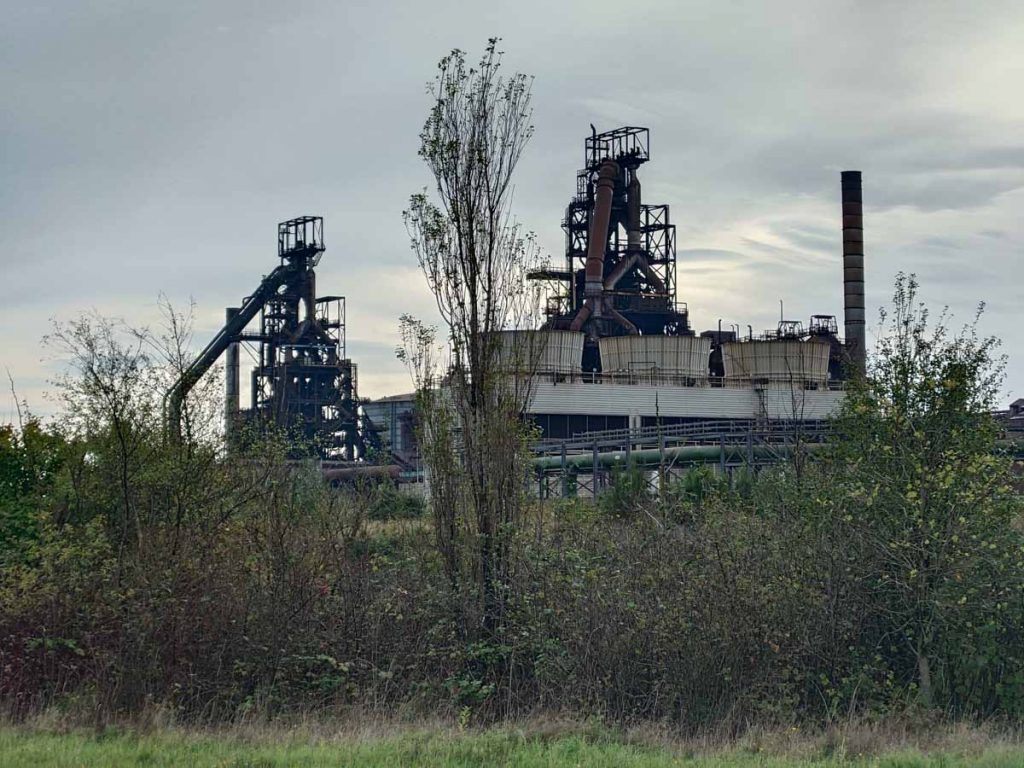
Not far away from the castle the landscape along the coast was dominated by the chimneys of the steel works industry. The steel workers settlements were the typical serial houses like you know them from British films. The pedestrian crossing warnings to look right before left where written even in Welsh. Unfortunately animals can’t read and they never get that warning. Every day we had seen animals driven over by cars and trucks. As a car driver you hardly get to see how many creatures are flattened on the pavement, but as a biker you do and it’s shocking.
Considering the way British traffic is for us continental bikers beside the perception of always looking in the wrong direction in this left driving country we generally had the feeling of being less recognized as bikers being vulnerable road user than in other countries.
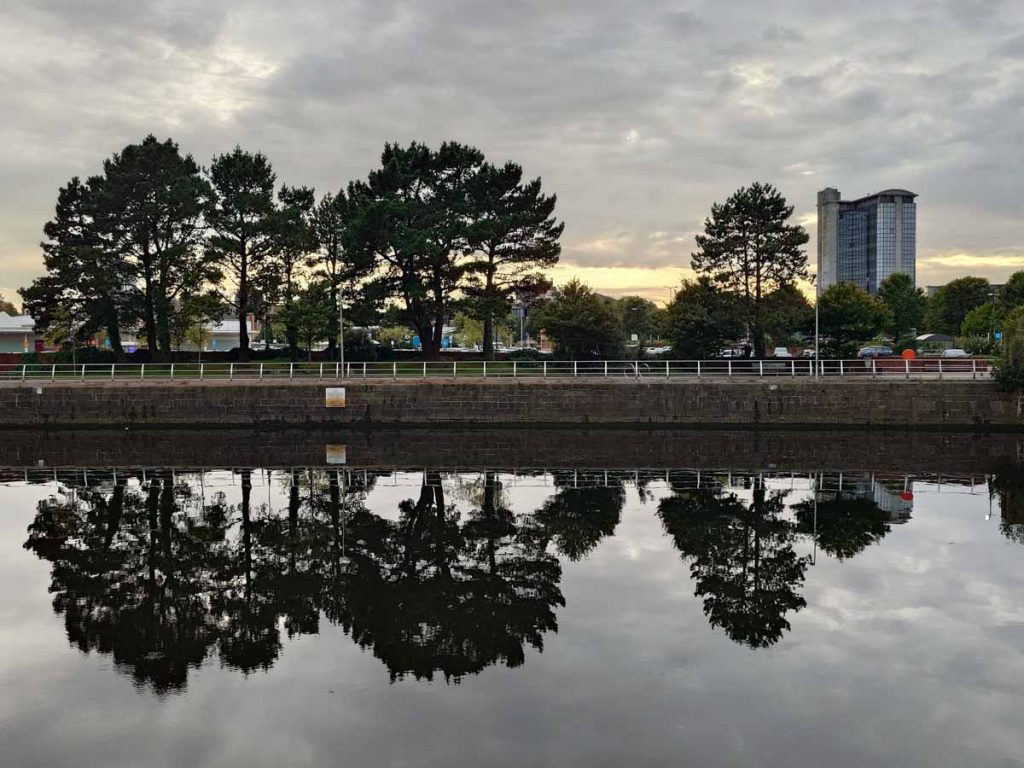
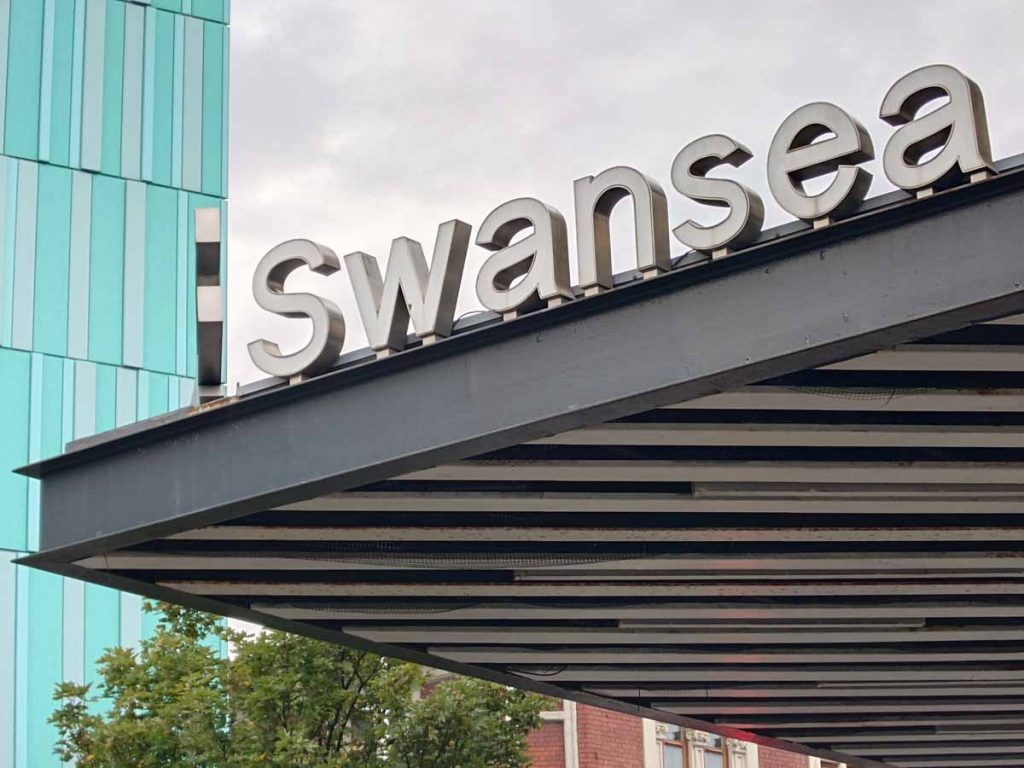
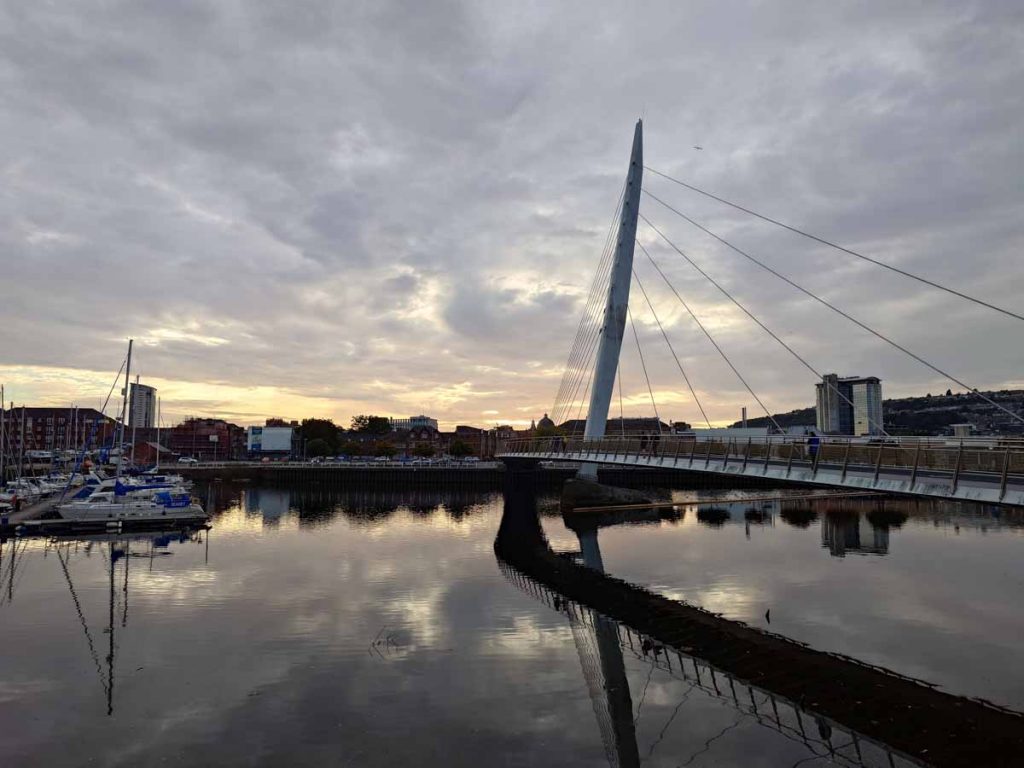
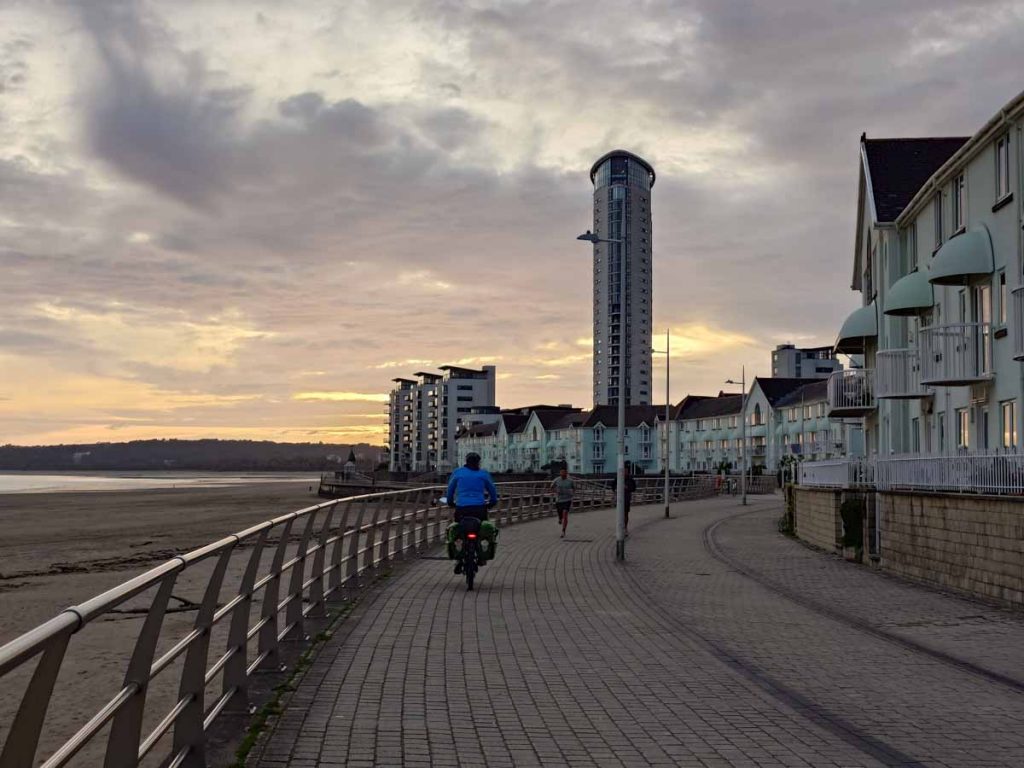
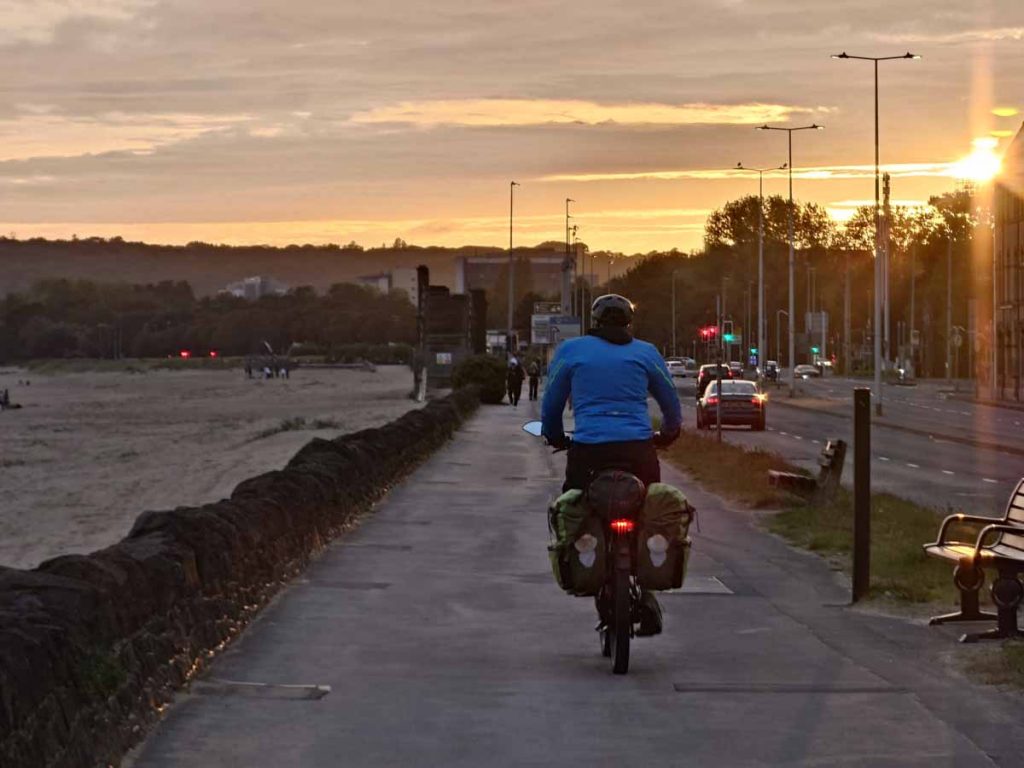
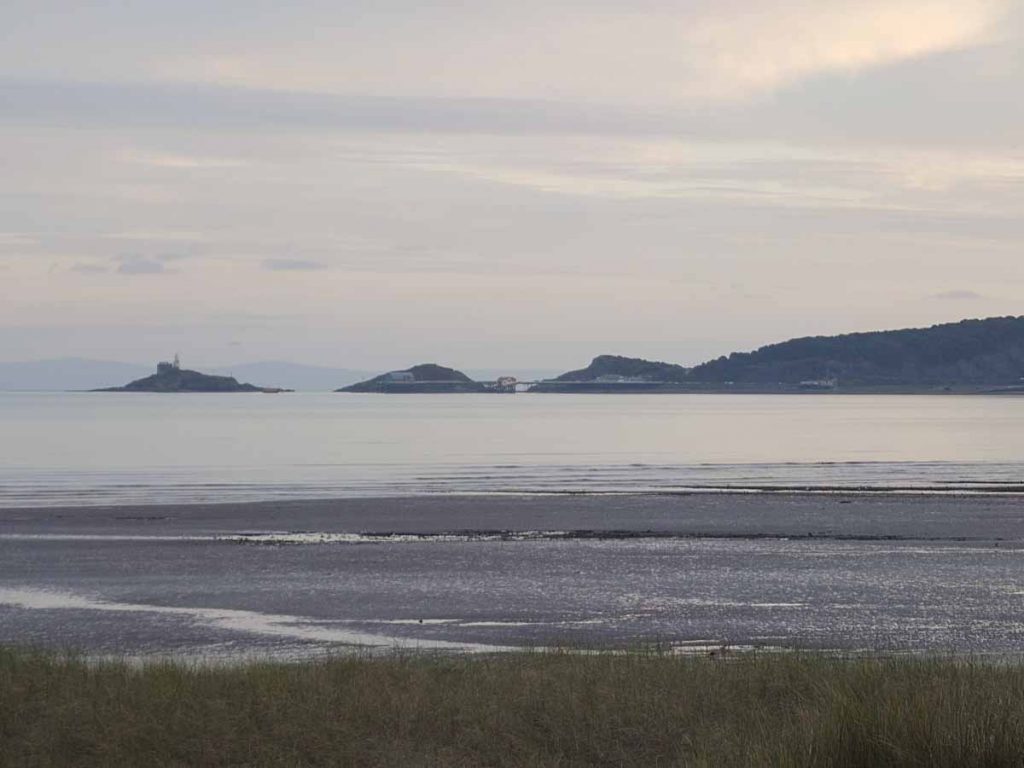
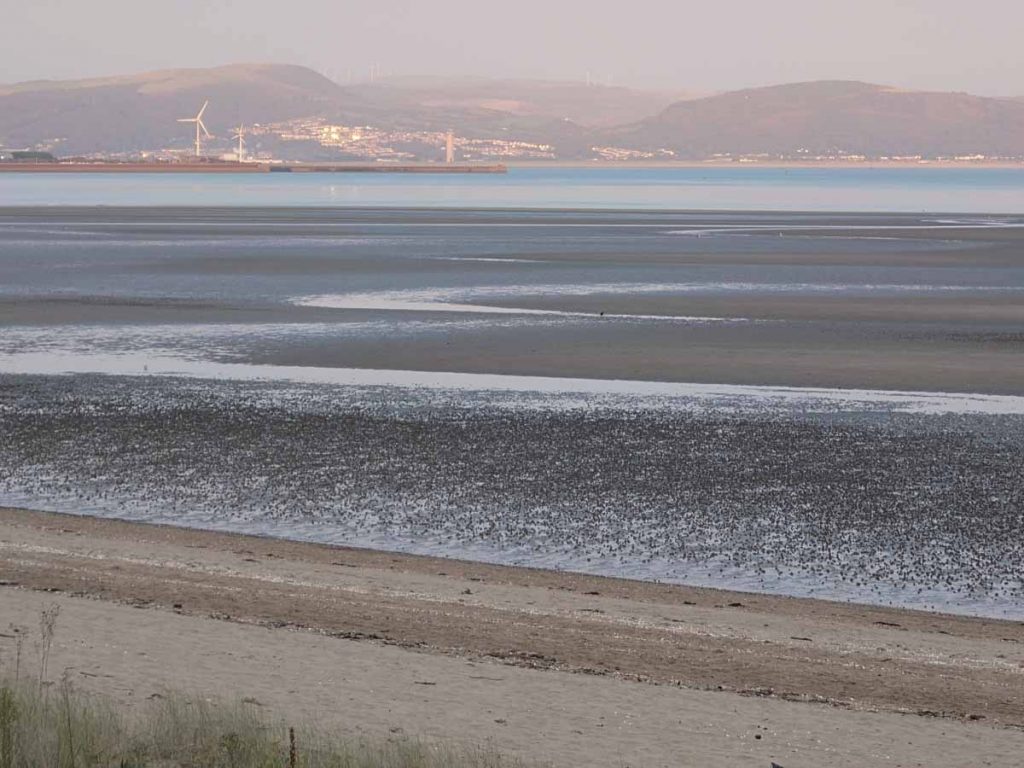
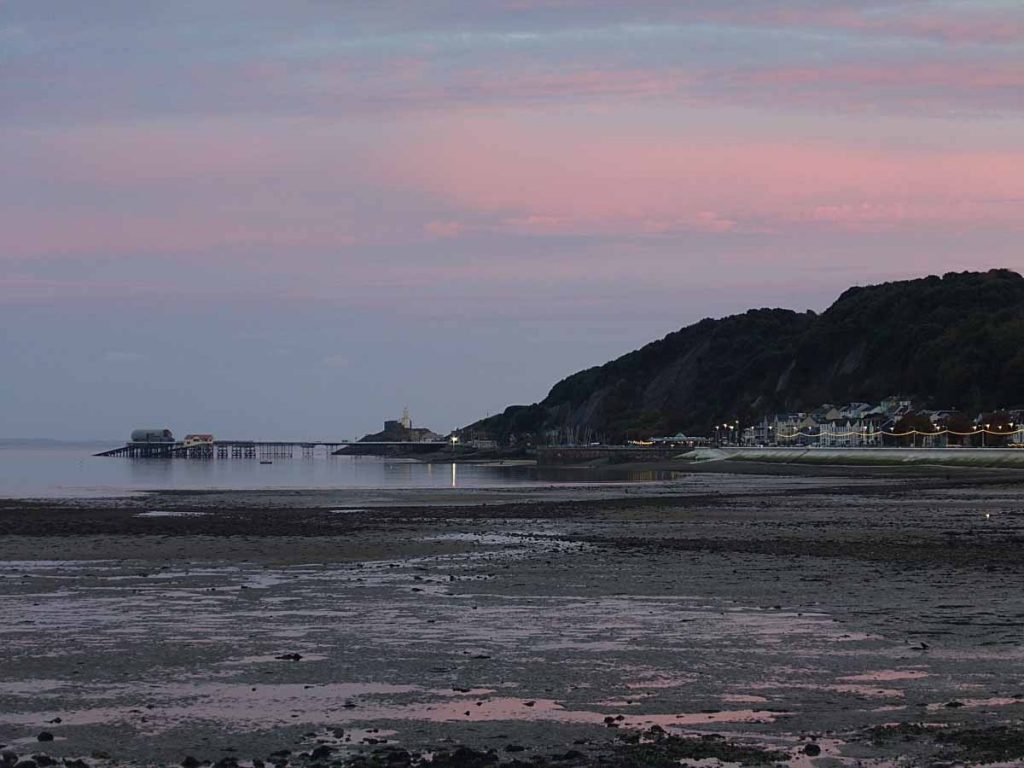
We had to pass the river Neath over a huge spanning concrete bridge to be back biking along the coast to reach Swansea. Robert had to get to the railway station to get a printout of our tickets to London, which he had booked online. From there we were heading back to the coastal path to roll along the whole Swansea Bay with its far stretched sand beaches and their intertidal mudflats to finally reach Mumbles after sunset.
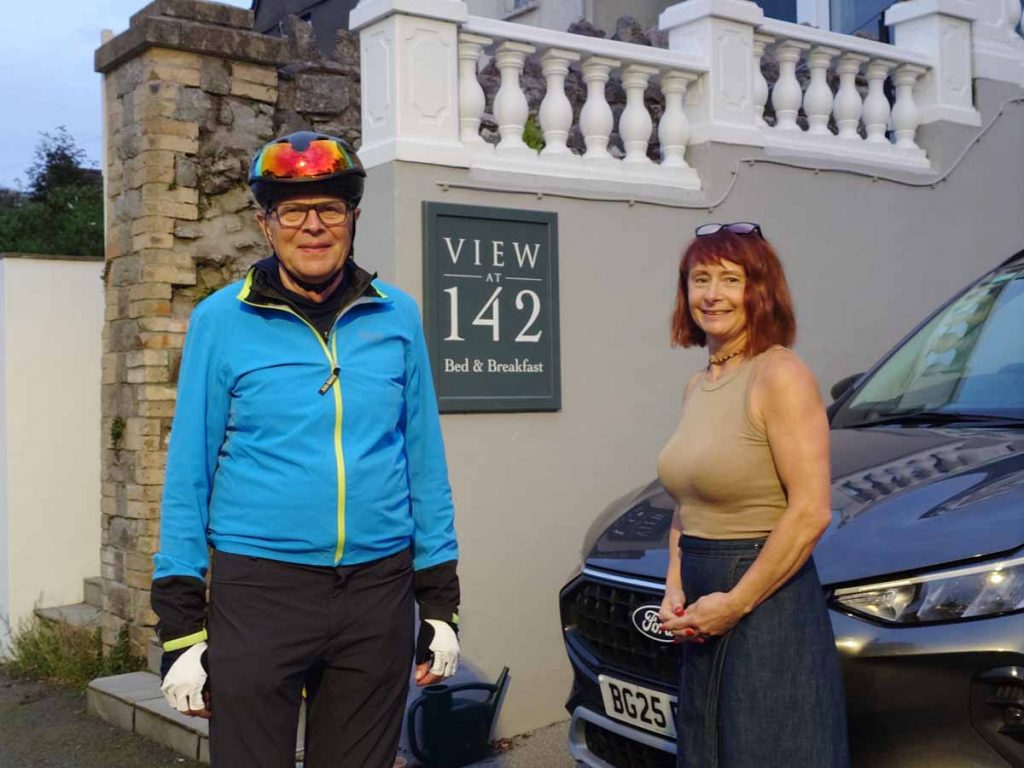
It was already twilight when we unloaded our bikes at the “View at 142” bed & breakfast, where Lisa made space in her cellar for our bikes so they could be safely stored.
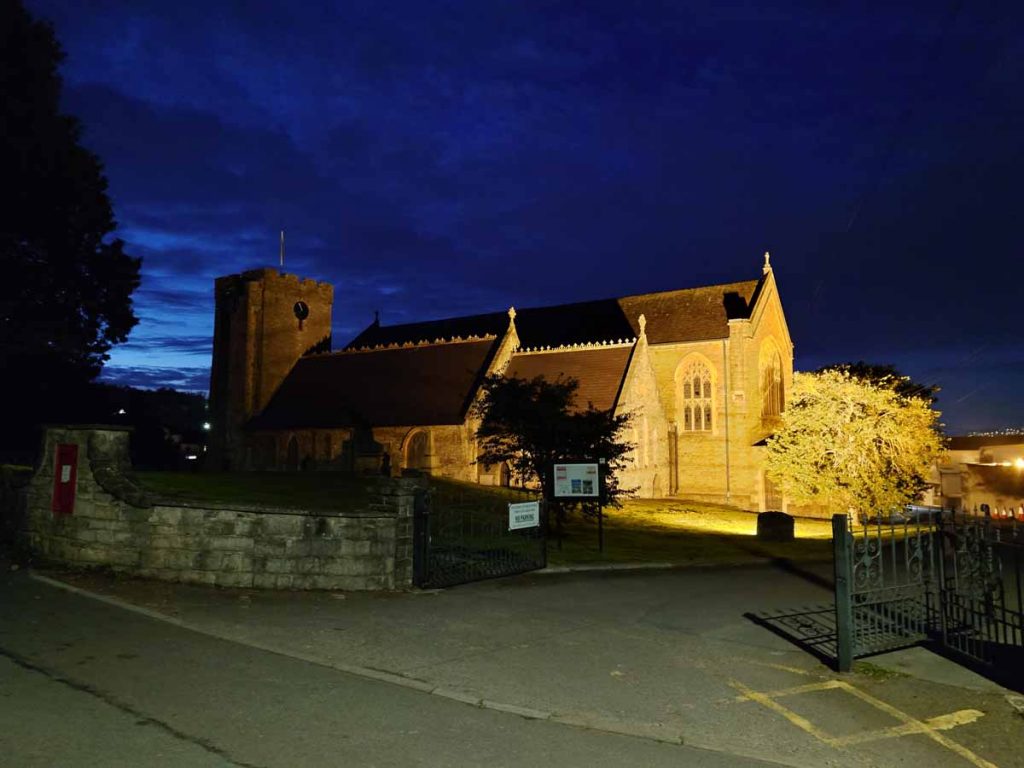
We had agreed with Nancy and Tom from the Rotary Club Mumbles to meet for dinner at the “White Rose” and were lucky that they could organize us some food at such a late hour because they had already eaten. After the Covid pandemic the contact with our partner club in Mumbles was completely lost, and we were not sure if they still existed because there had been no answer our attempts to get in contact with them for a long time. But here we were face to face and saw they still existed. Our crazy idea to bike from the Starnberg Rotary Club through eight countries to get back in touch with our partner Rotarians in Mumbles worked out. Mission accomplished!