This morning we had to get up really early as Robert had the day before already organised tickets for the underground cable car bringing us through a tunnel up to the mountain village of Bulnes in the canyon of Rio Tejo. It was still chilly in the valley, but the sun was out in a blue sky.
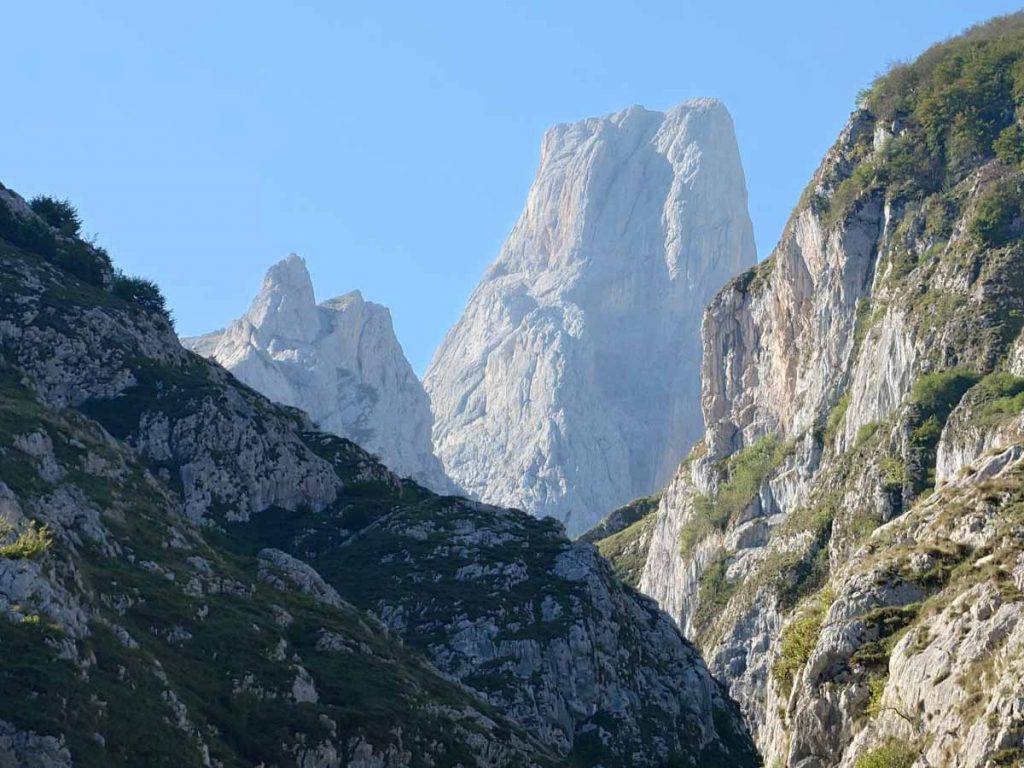
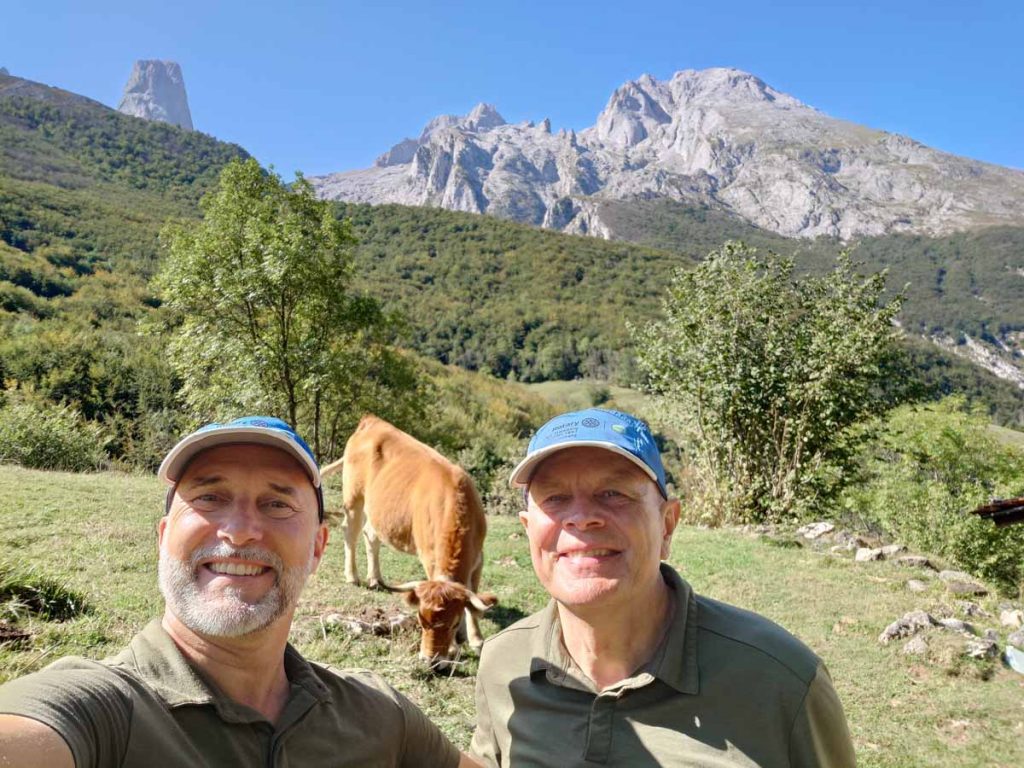
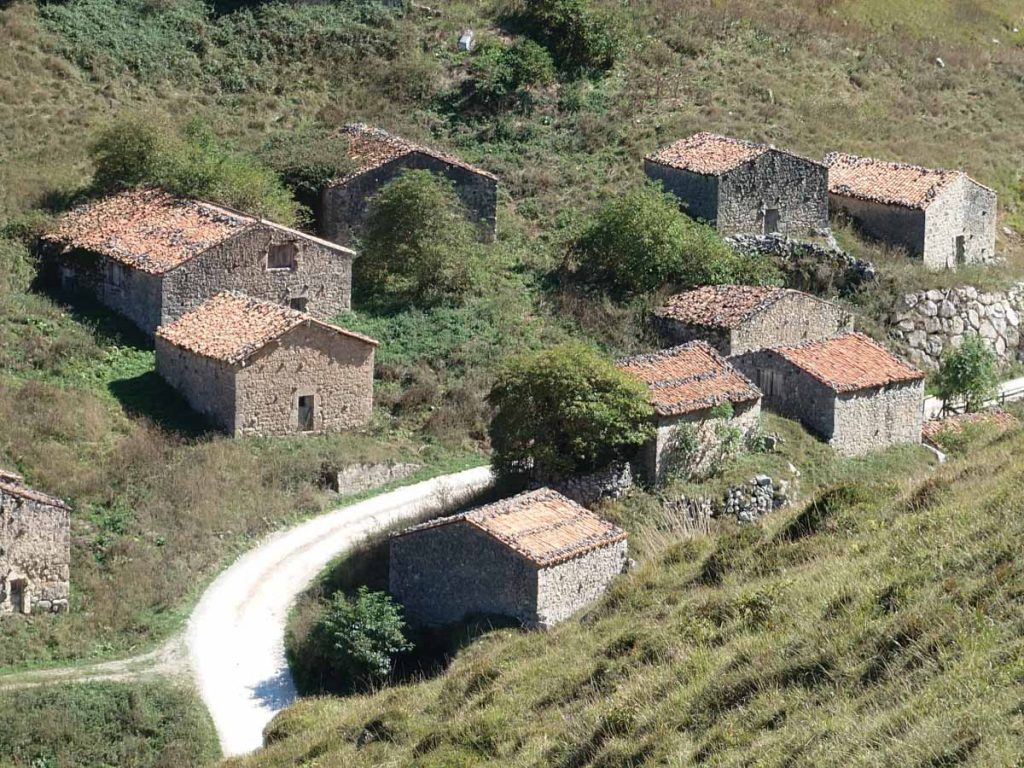
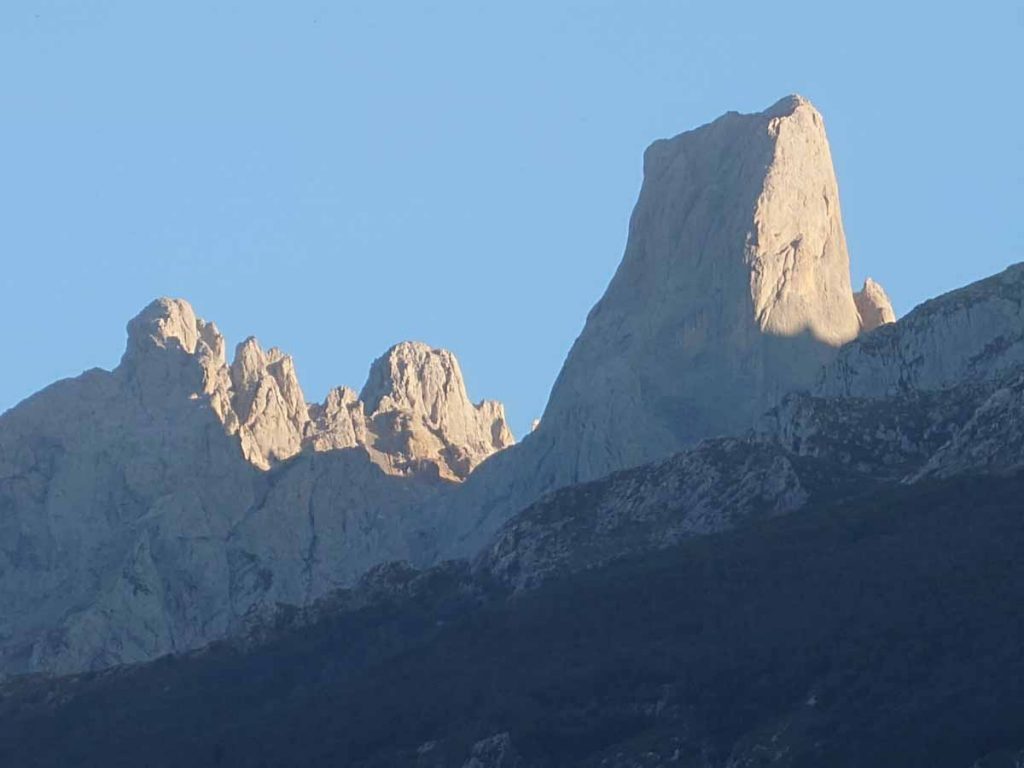
It was interesting to see how the tourists, once they left the station of the cable car, all turned immediately into the village to get the best places at the restaurants instead of starting a hike into the mountains in the fresh air of the morning. As soon as we had left the village we were nearly alone after we had stopped at a good viewpoint to see the Picu Uriellu.
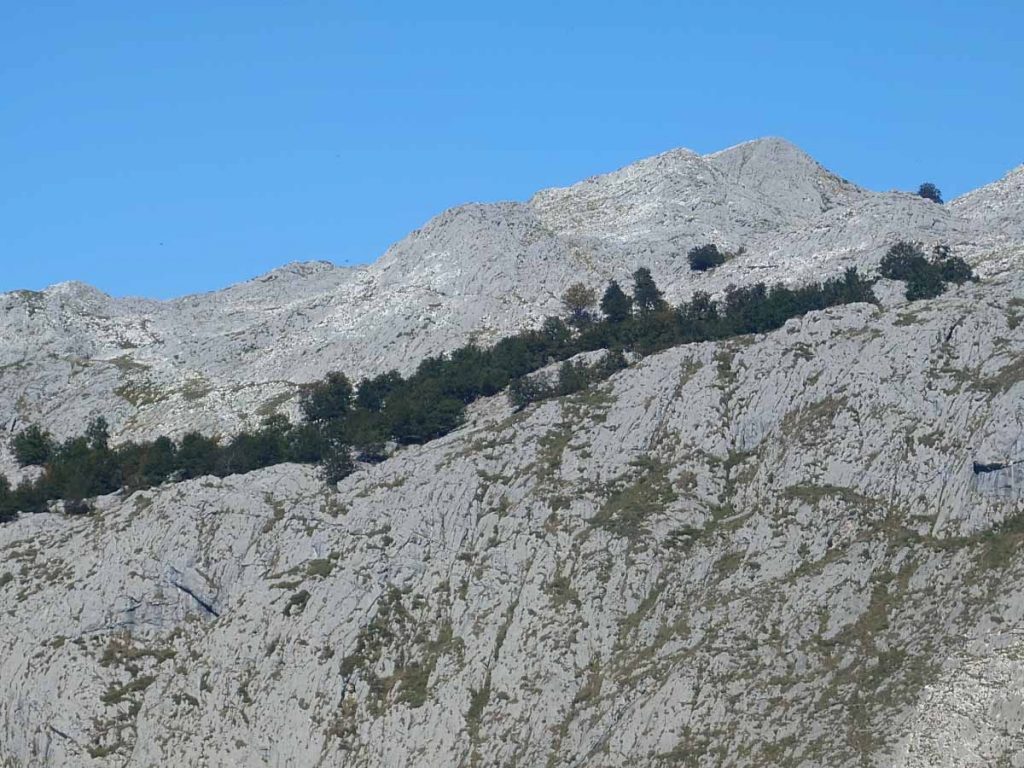
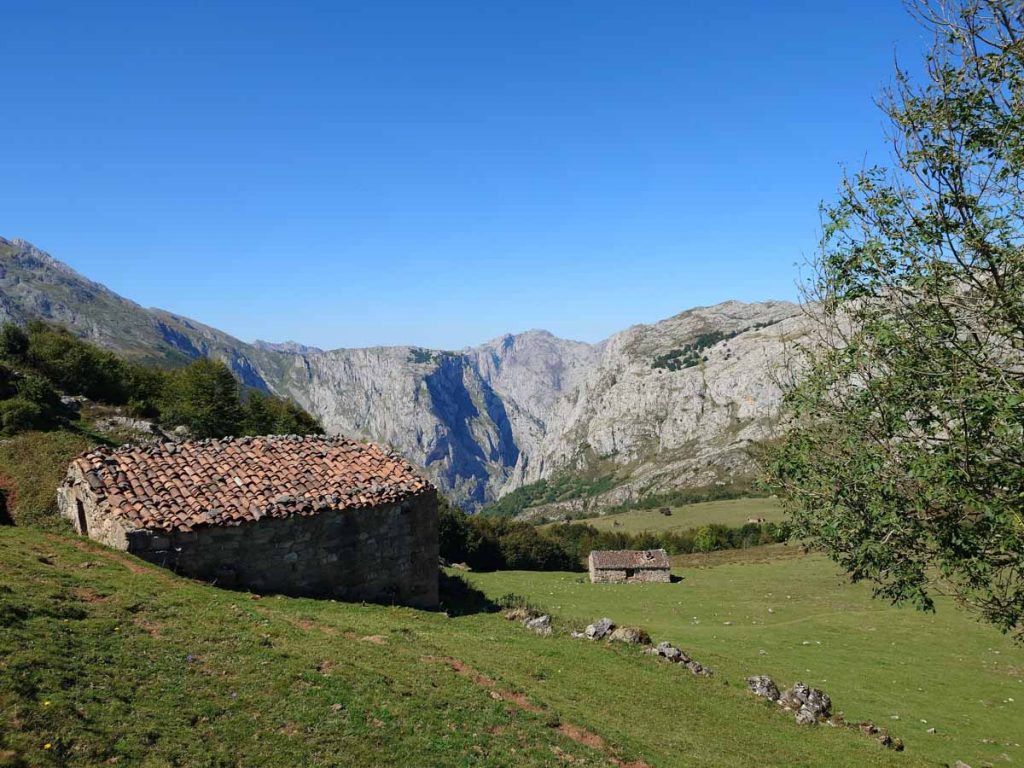
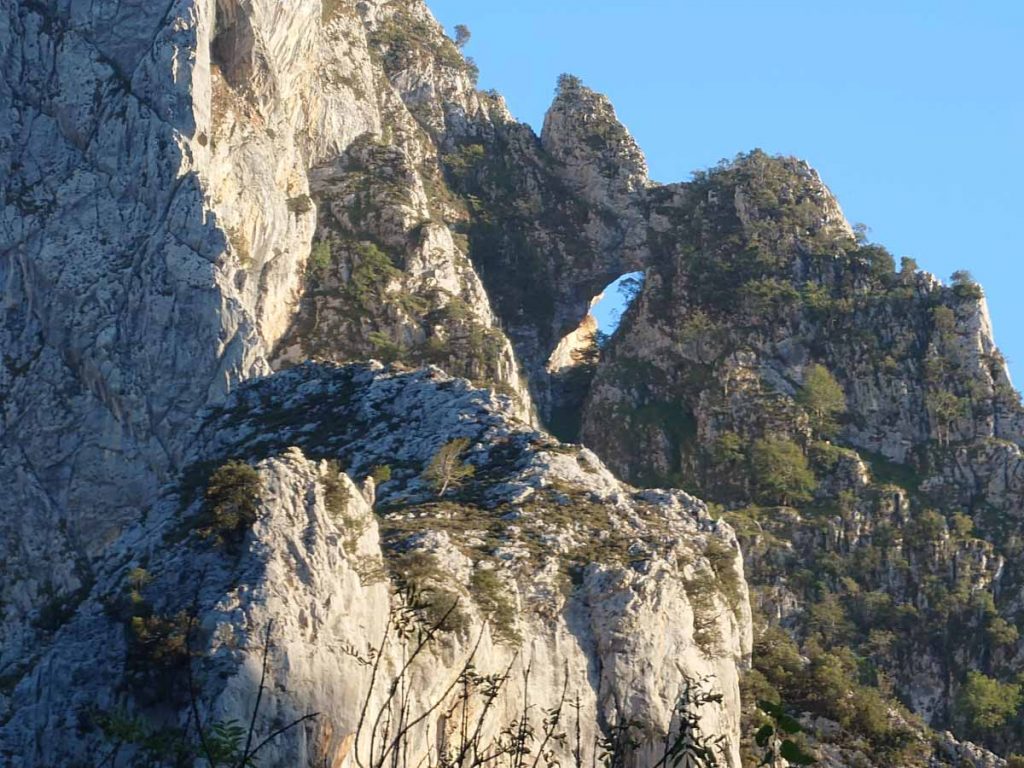
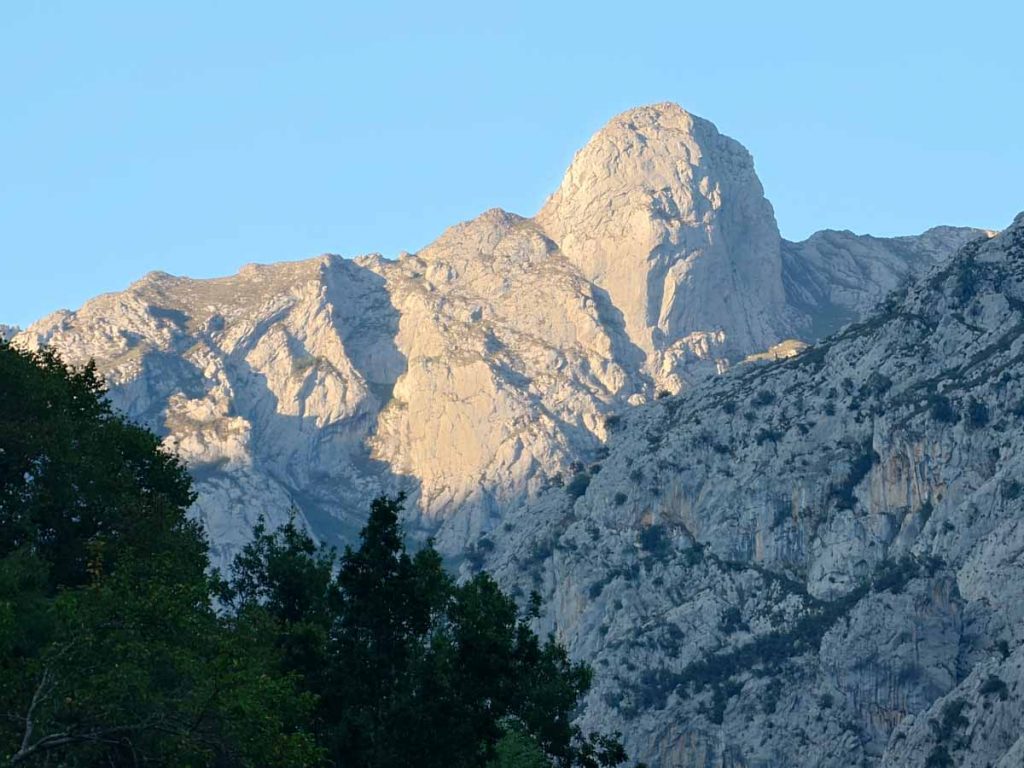
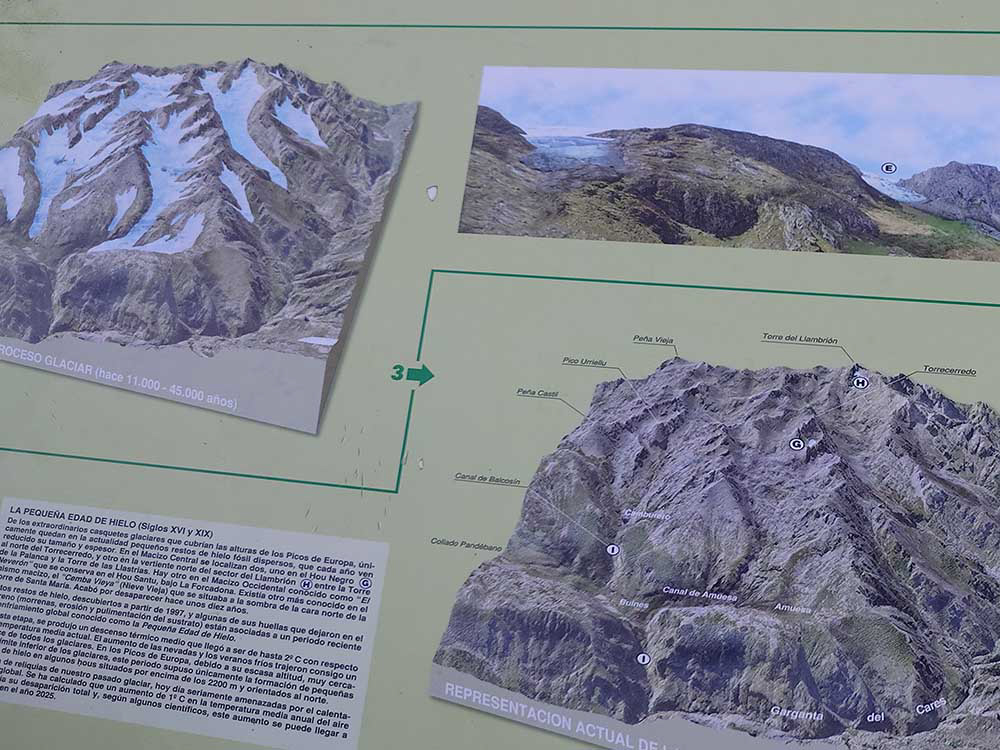
There were some good visualisations installed to explain how this landscape once was shaped by the glaciers of the last ice age. The reconstructed pictures of the ice age looked like the ones we know showing the actual situation in the Alps with still existing glaciers. But being now face to face with these dry limestone walls of rock without any snow at all it seemed to be a look into the near future of the Alps that are losing their glaciers rapidly, accelerated by the climate change.
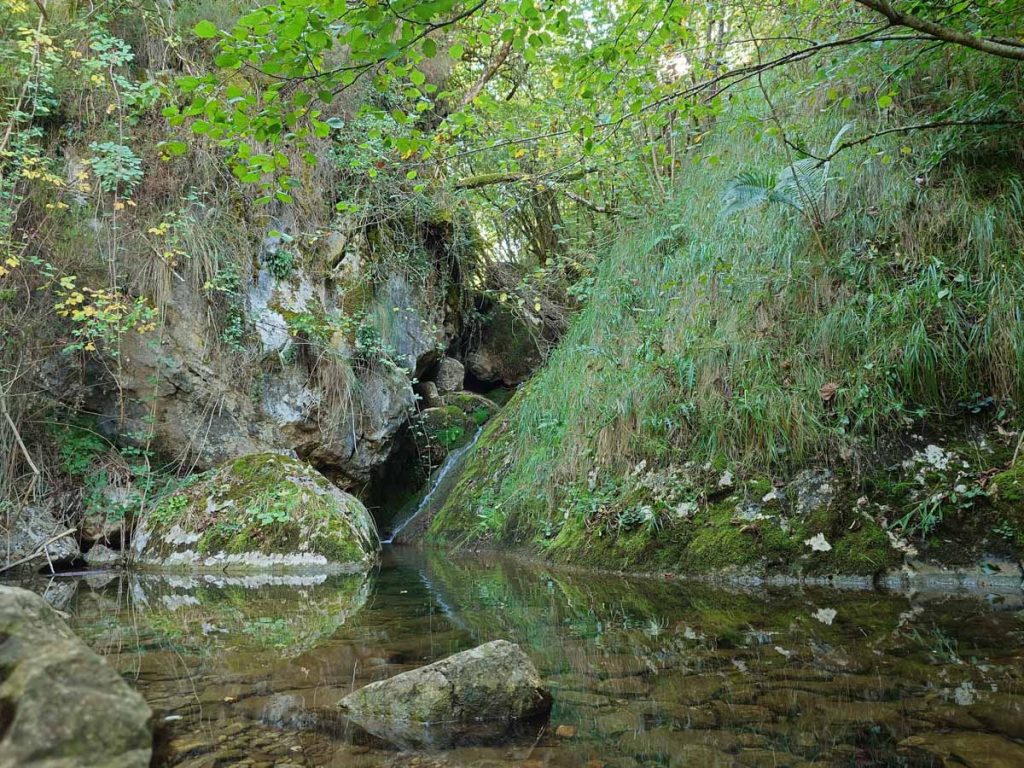
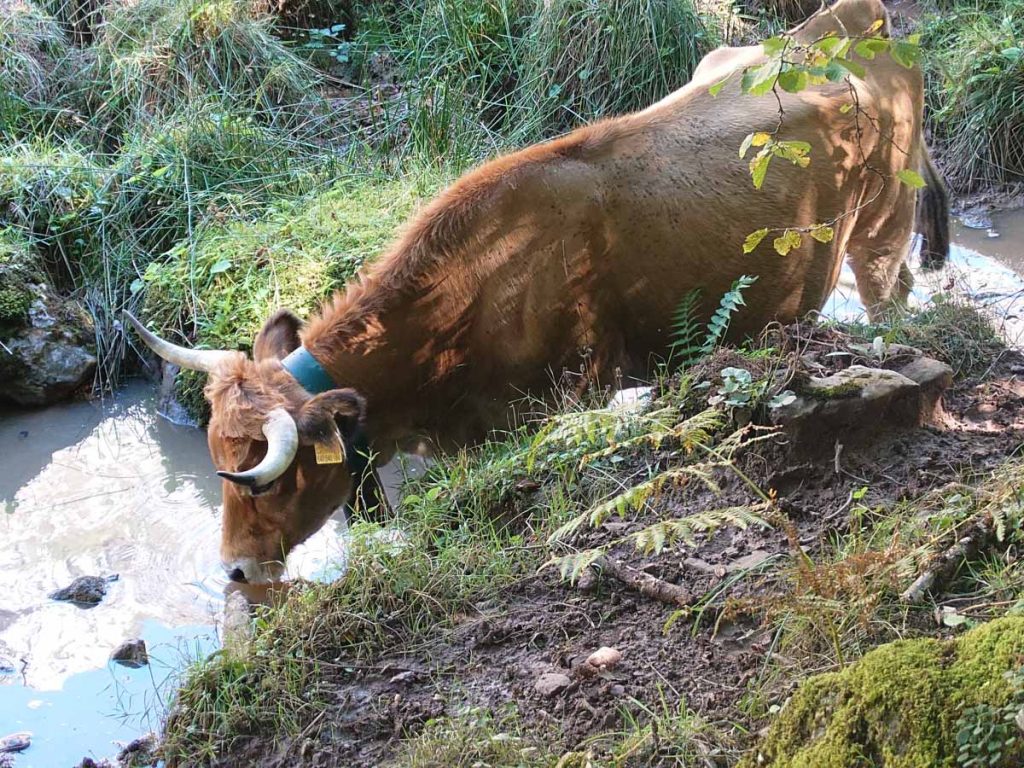
Following our steps uphill the path started to lead us through green forests along some tickling creeks and waterfalls, that unfortunately crossed the trail and turned it into a slippery mudslide. We met some free-climbers on their way down, who had over the last few days done all the main peaks in the National Park. They were well equipped with hiking sticks, and wondered how we wanted to make our back way down again without sticks, because they said their last two kilometres had been extremely slippery on the muddy path.
I realized that Robert got more and more silent while continuing concentrating on each step in order not to slip. I know this sign, when suddenly he suffers silently, not communicating his worries about how to get down from the mountain again. While we kept on going I developed an exit strategy out of our situation, and remembered that yesterday on my evening tour up to Sotres I saw several times a public bus coming down from that mountain village.
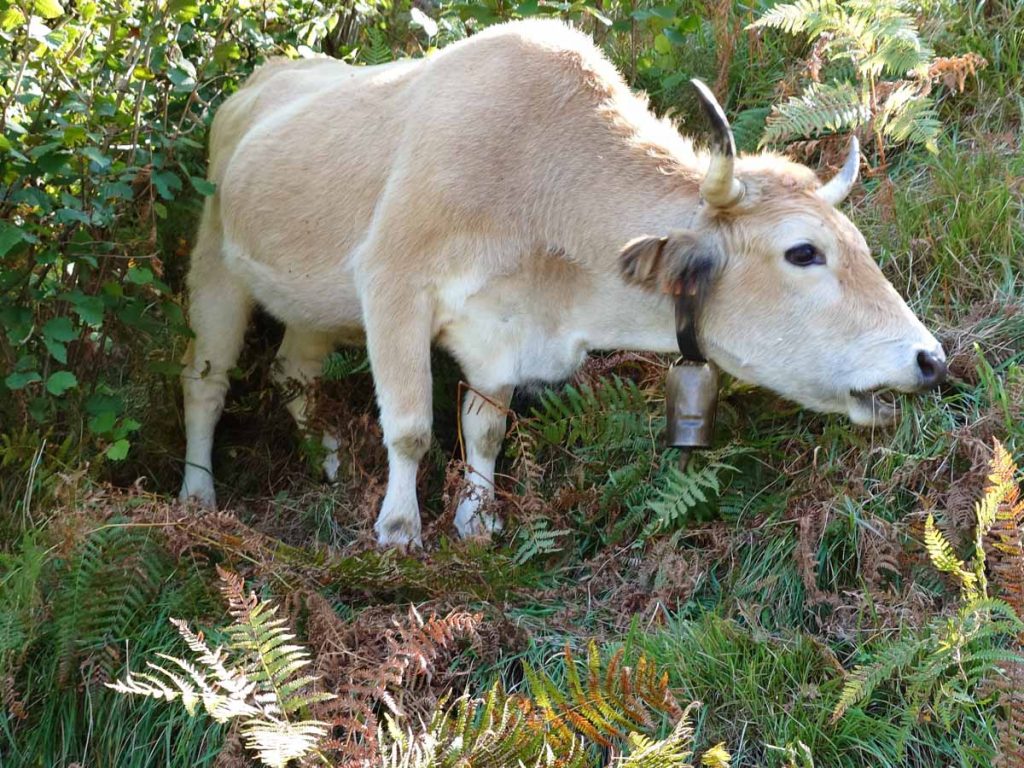
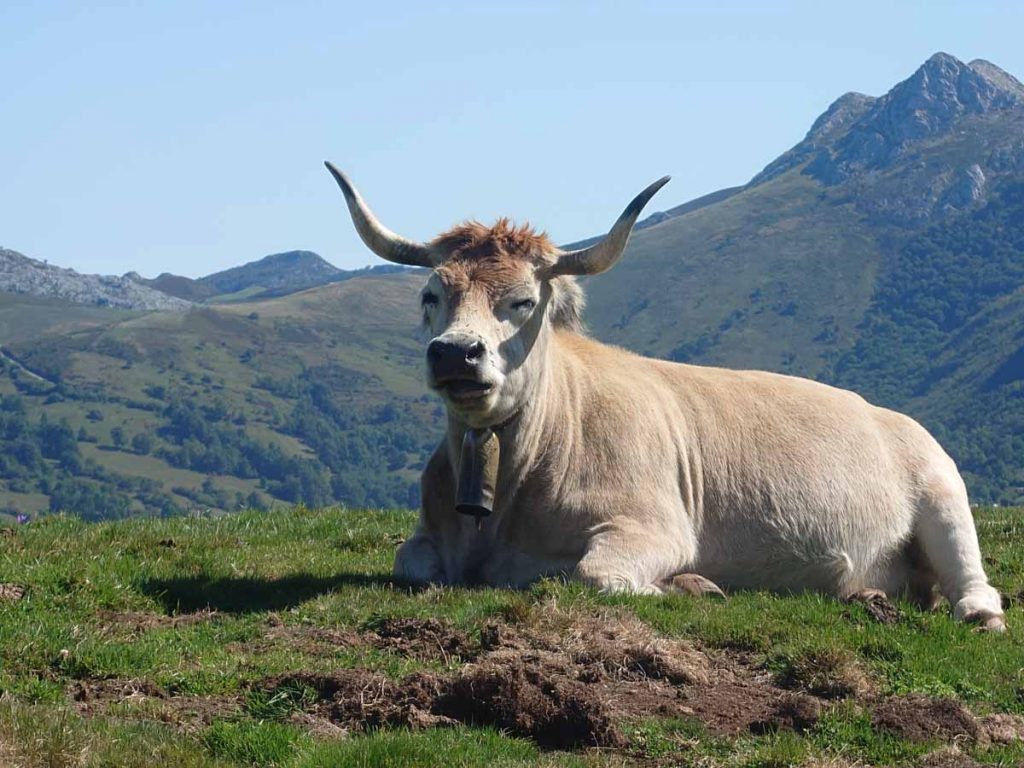
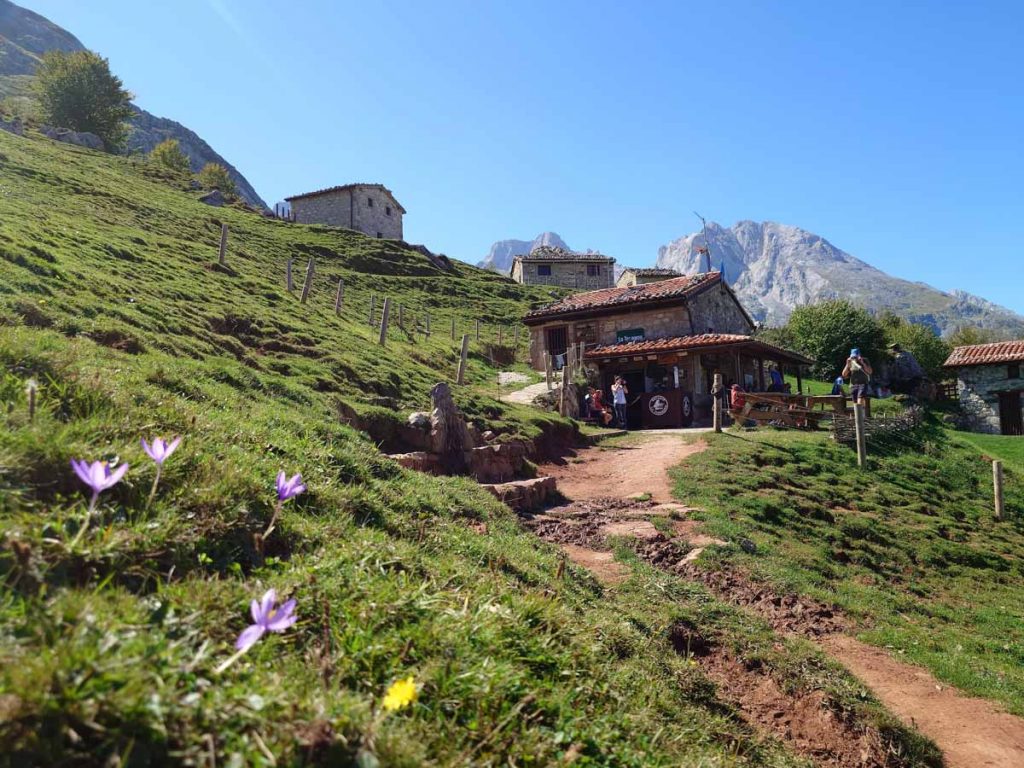
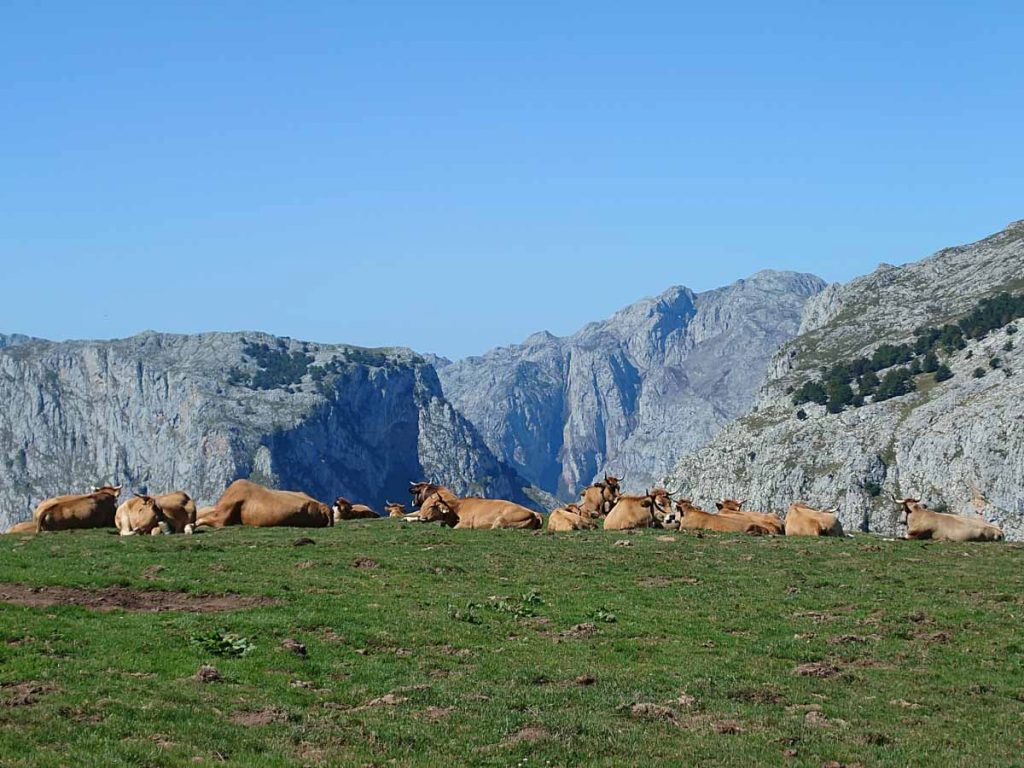
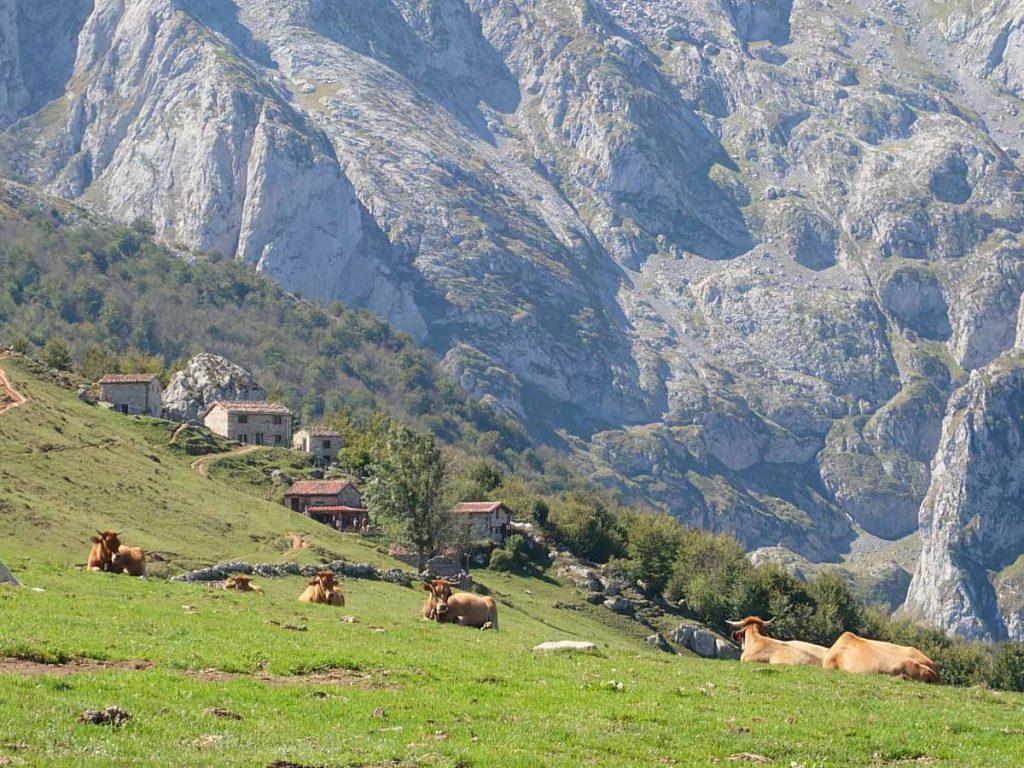
I had no guarantee that my plan would work, but it was the only way to convince Robert to keep on hiking up into the lush green mountain meadows, where the first autumn crocuses showed their blossoms, telling us about the upcoming change of the seasons. Cows were ringing with their bells like we know it from the Alps. Above all the Picu Uriellu dominated the scene. We had a lunch break at the Refugio de Terenosa at 1.300m altitude. From there we started our descent into the valley of Rio Duje. It was a major trail, even trucks could use it to bring up material to be delivered by helicopter to the mountain cabins.
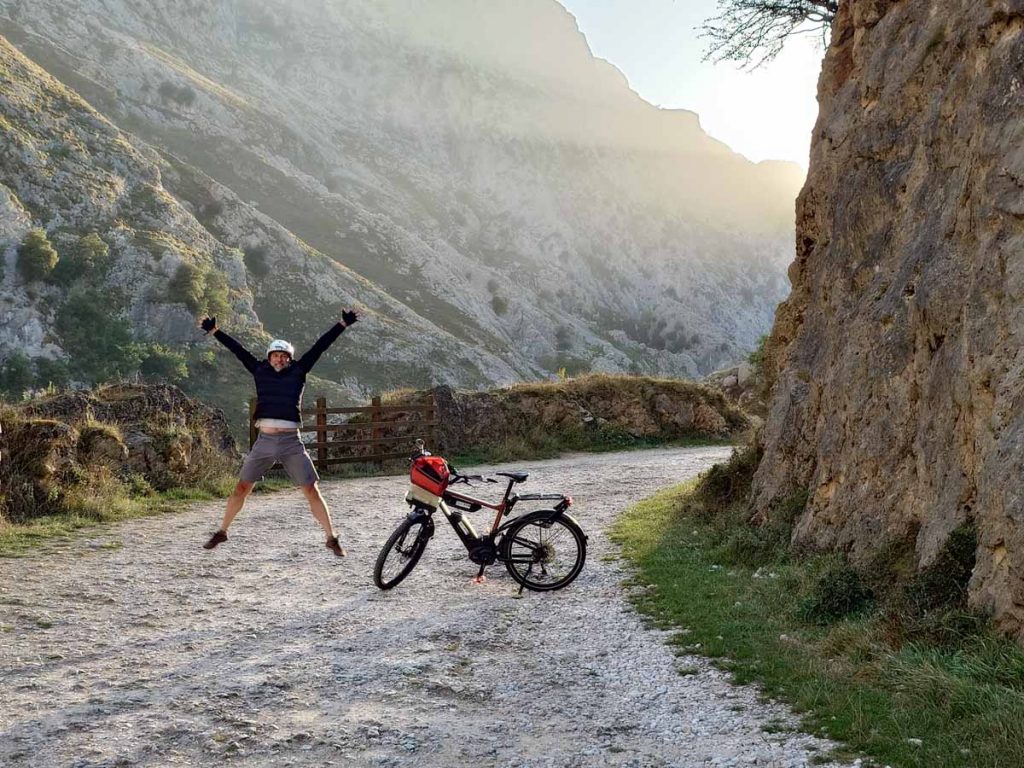
Robert was already much more relaxed about our downhill being easy, and without any risk of ending up in a mud slide. The only question was if we would be able to catch a bus, but we had the problem solved even before reaching the main road by getting a ride as hitchhikers from a Spanish lady in her car. It was the best that could have happened to us. We were back in Poncebos early enough so that I could even get some sunset photos of Picu Uriellu on a small bike tour to end the day.