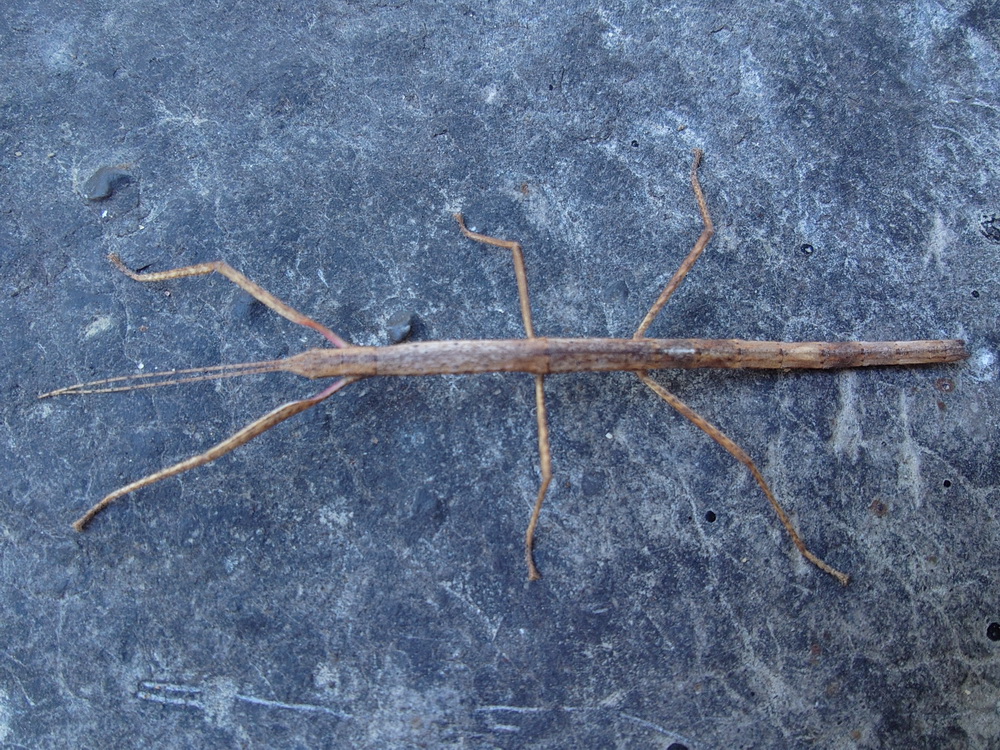
Waking up in my bunk bed I opened my eyes and saw a huge insect right above my pillow.
It was a stick insect pretending to be a piece of wood, but not having any camouflaging background as it was sitting on a white wall. I was totally fascinated by this creature the size of my hand as I had never seen one in real life before. I put it out the window, where it stayed in its position on the sill for a long time still mimicking a stick.
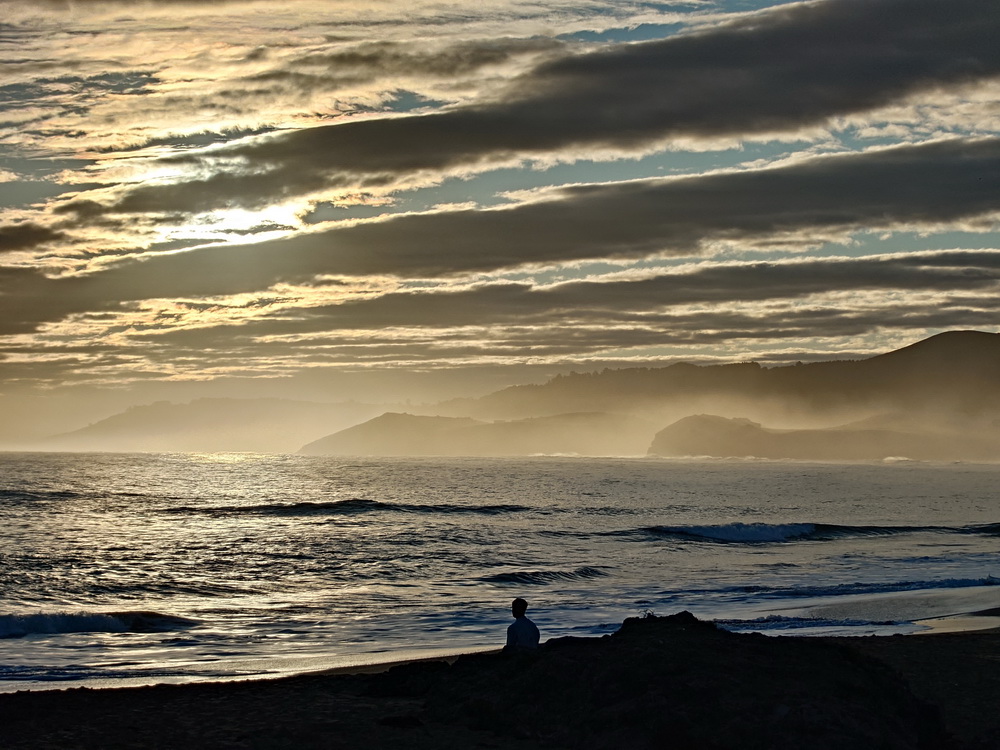
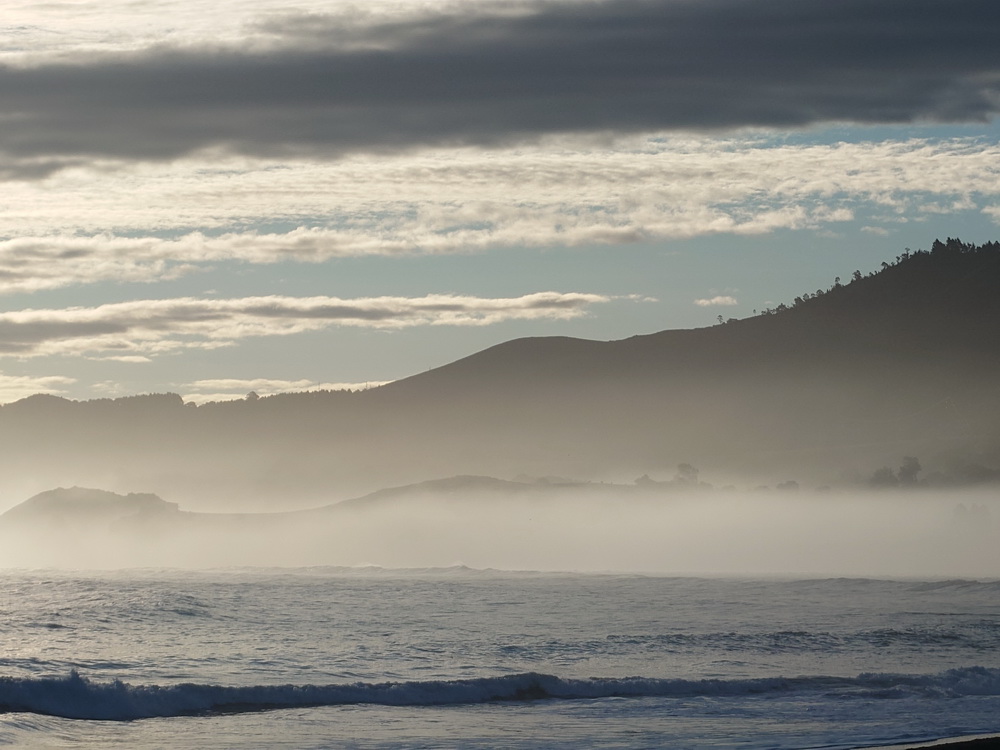
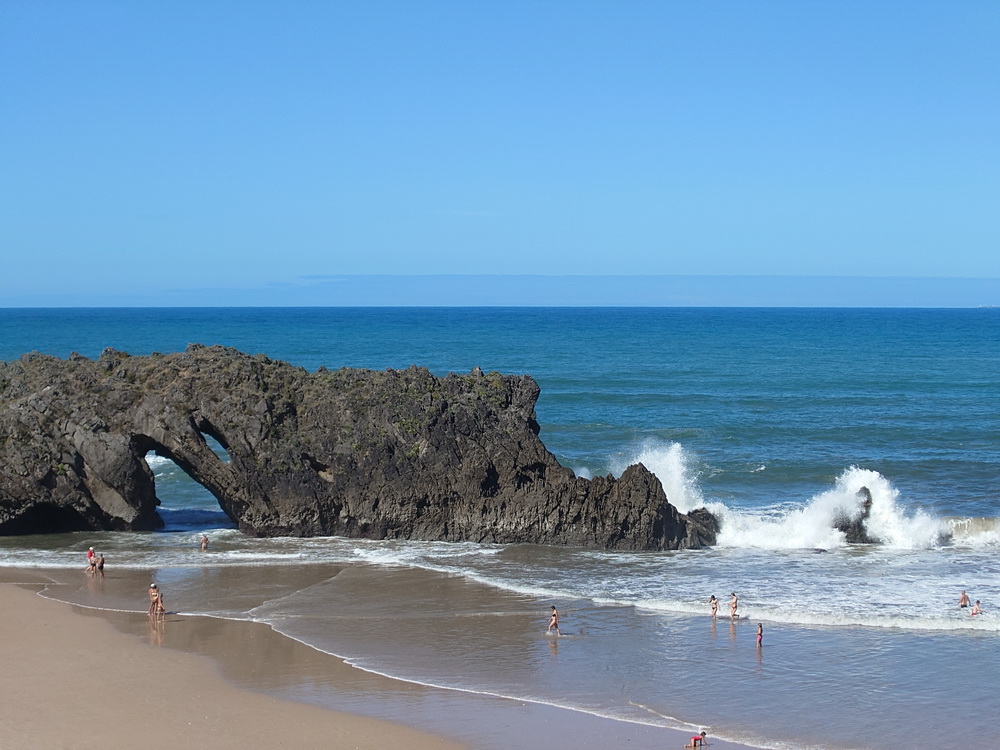
Outside the “Playa de La Isla” was flooded in golden light by the sunrise with clouds casting shades between the mountains, cliffs and the steaming ocean. What a promising set-up for a beautiful day. We started very early as we had a long distance ahead of us, and although the ocean looked so tempting to jump right into the waves, Robert promised me that there would be another beach when we arrive in the evening.
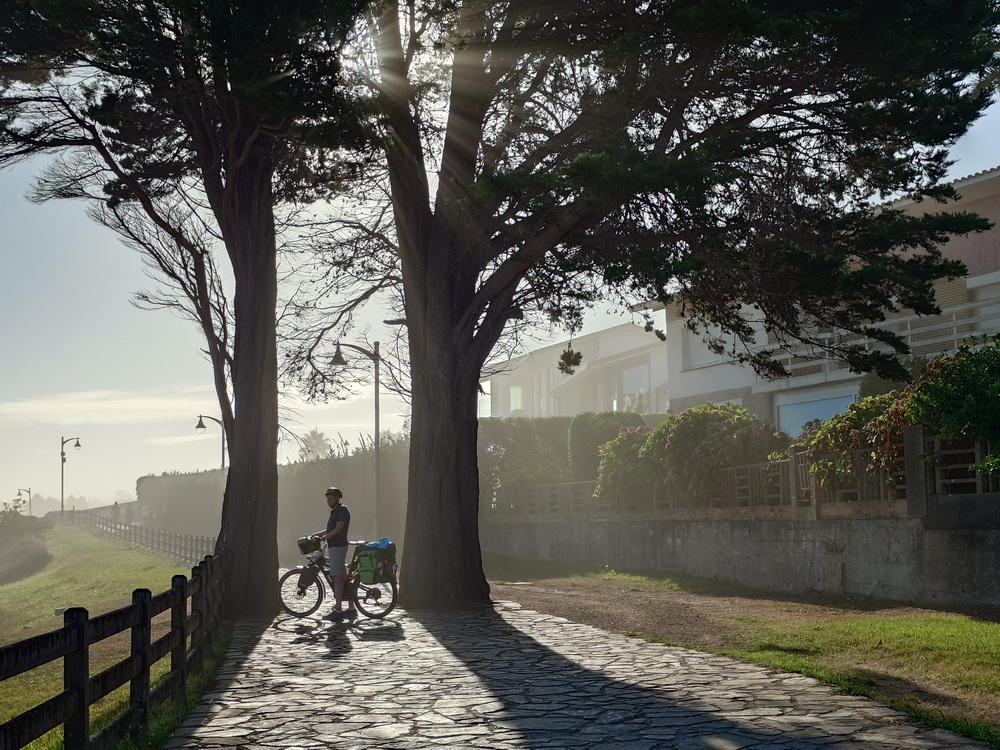
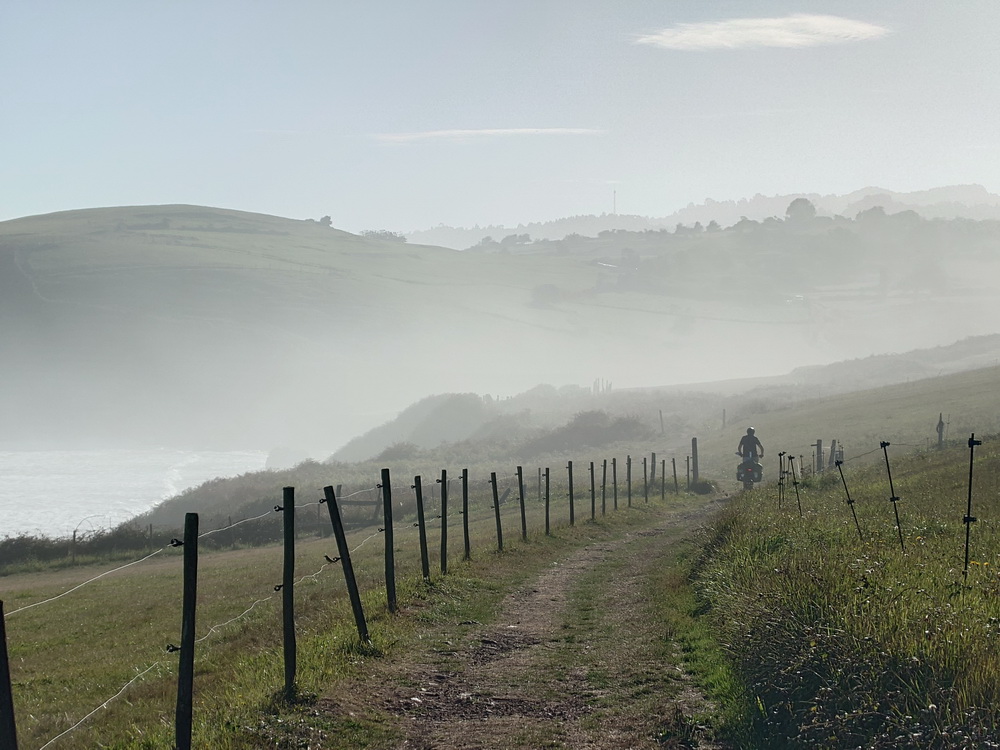
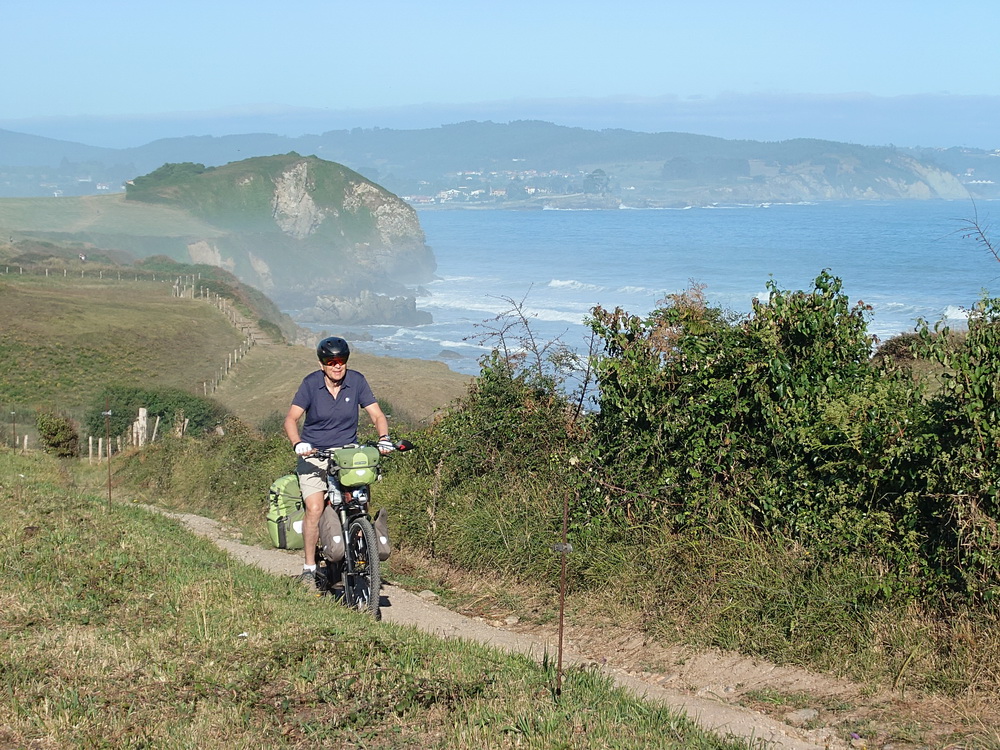
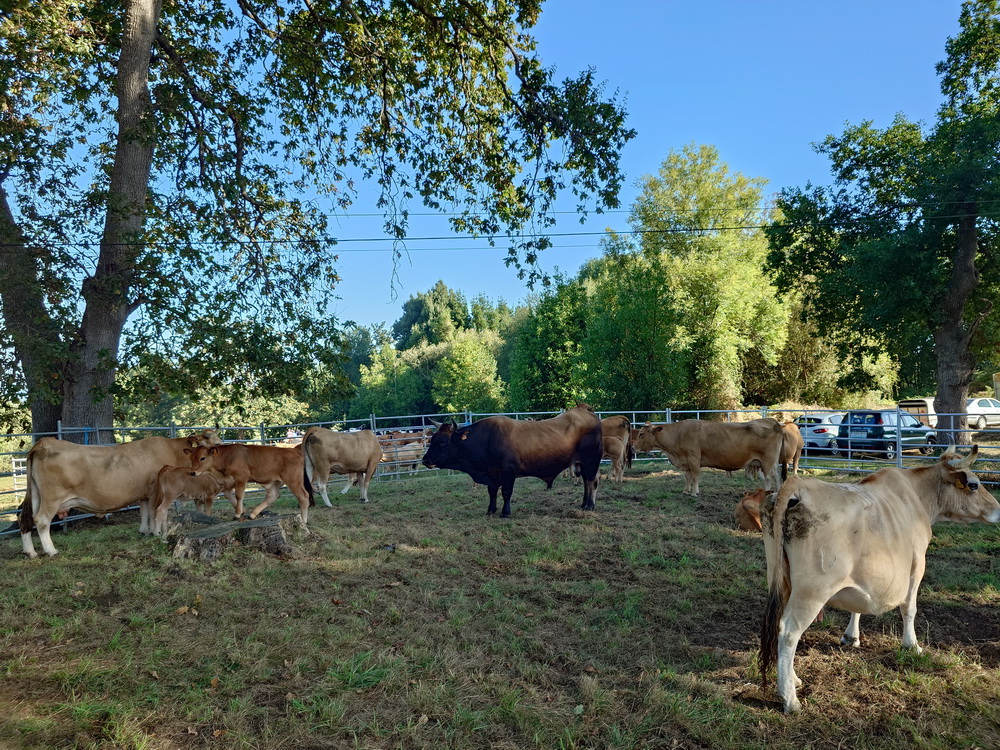
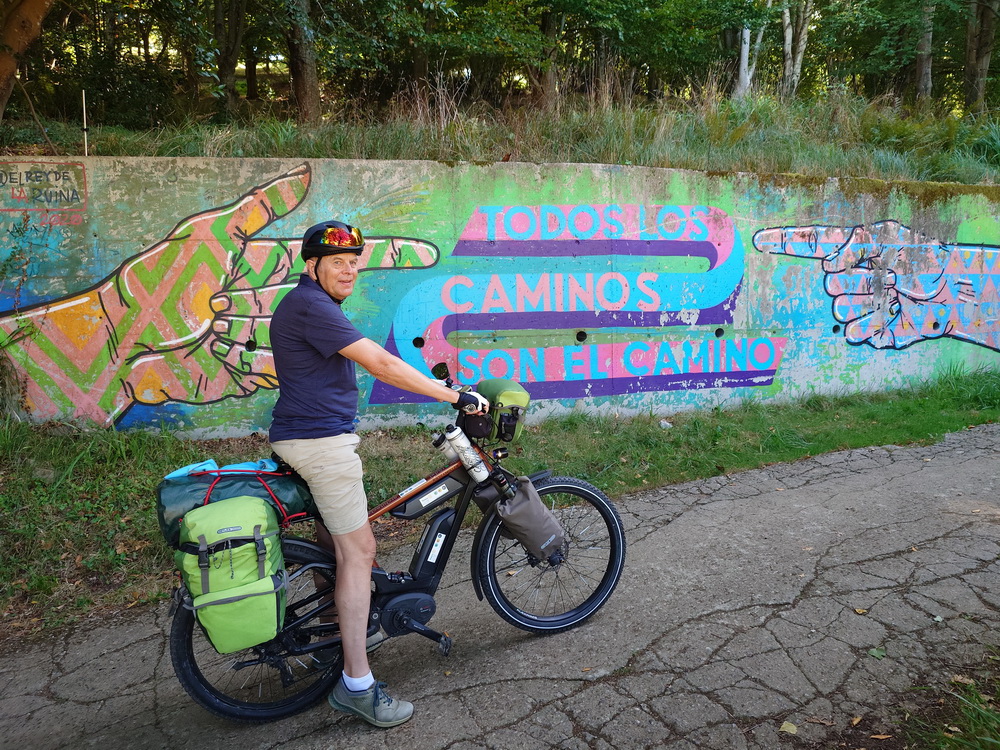
But at least I could convince Robert to follow the pilgrims hiking trail along the beaches and cliffs, even if we had to get off our bikes every once in a while, where mother nature offered us the most spectacular landscapes in the mist of the ocean breeze. We were so tempted to continue along the ocean, but we got stuck in a bay at a dead end of a road from where a steep hiking trail for pilgrims continued, which was impossible to be done with our bikes. So we had to return on the cliff road to climb up to Caravia Alta, where we found ourselves in the middle of a cattle-market and beauty contest for oxen and cows. You could easily tell that the industrial cattle breeding still hadn’t made its way into this traditional region, and farmers were sharing their lives with their farm animals, their hearts filled with pride.
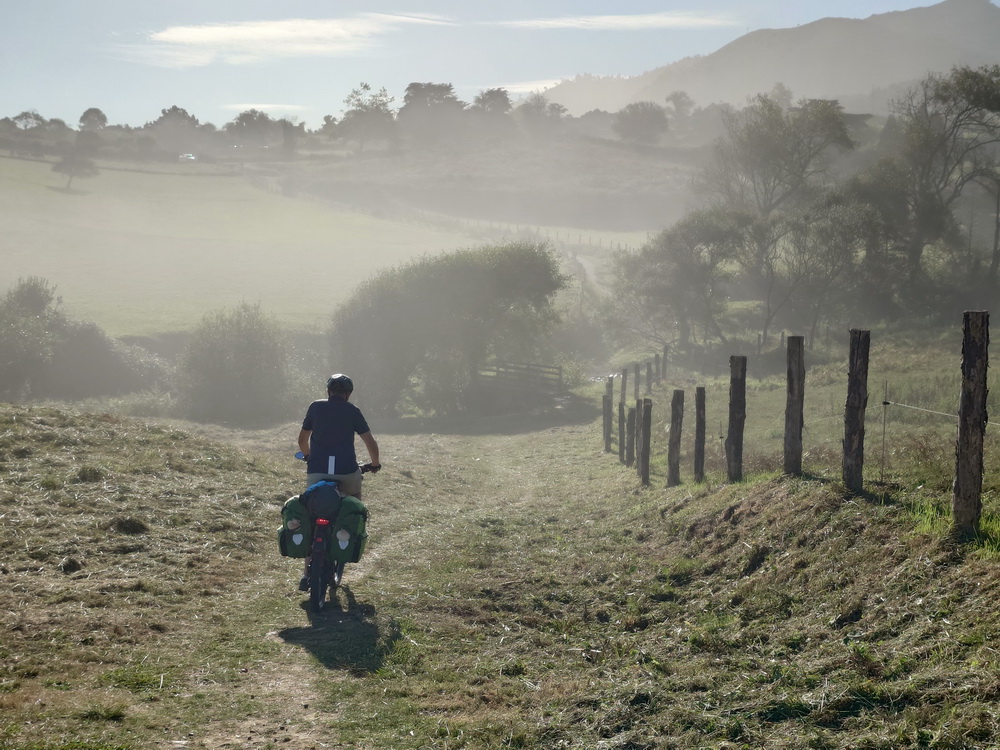
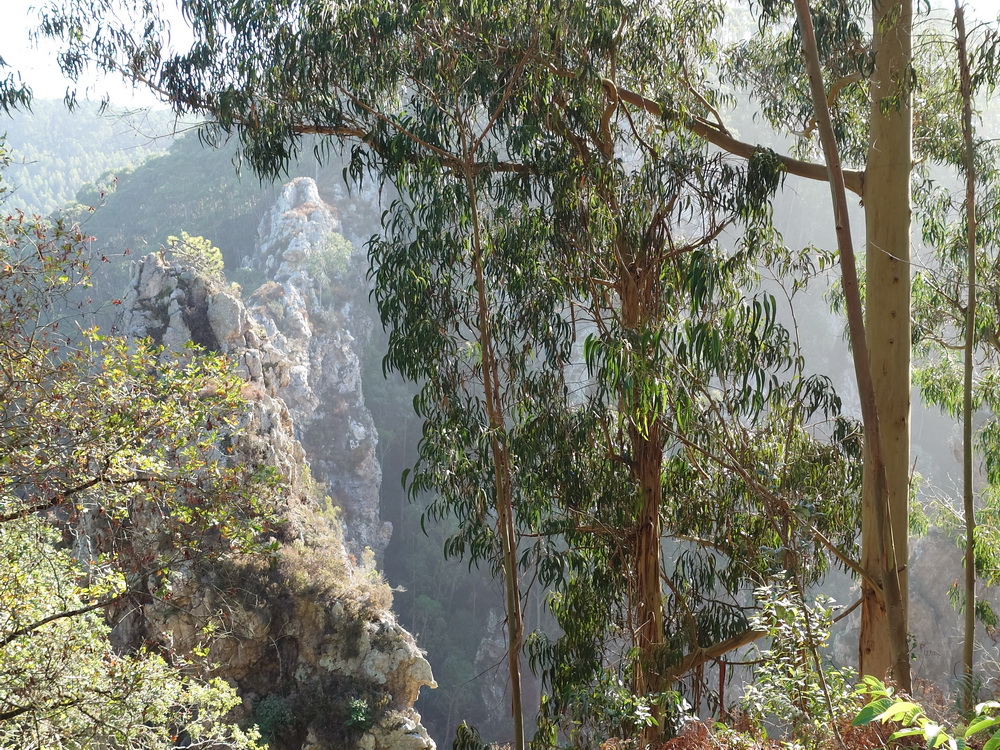
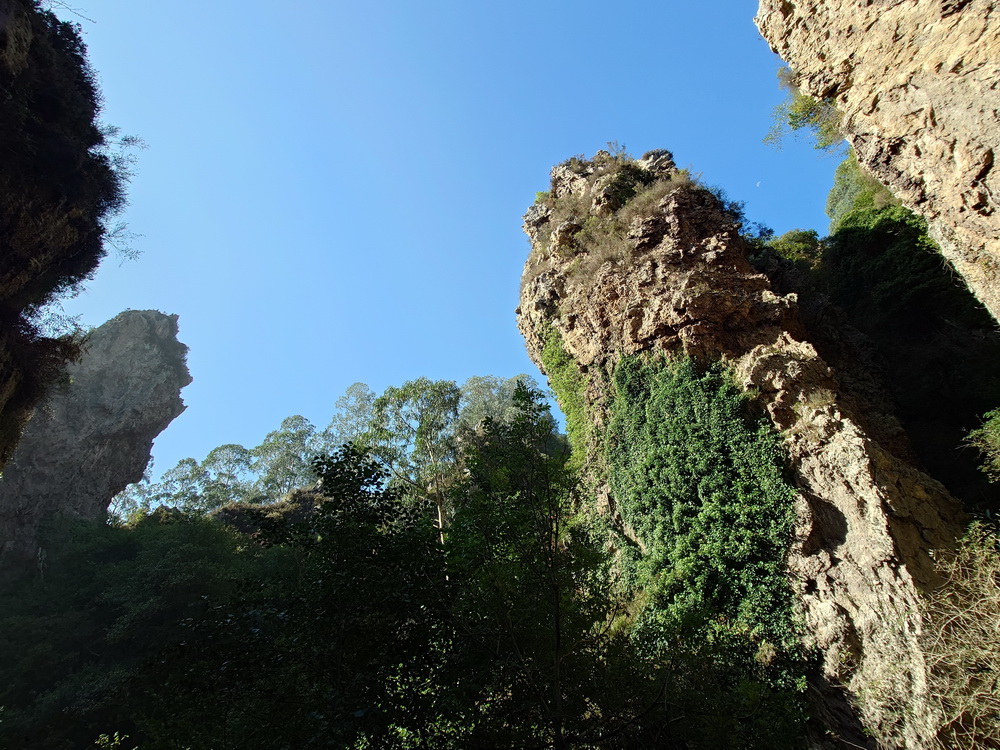
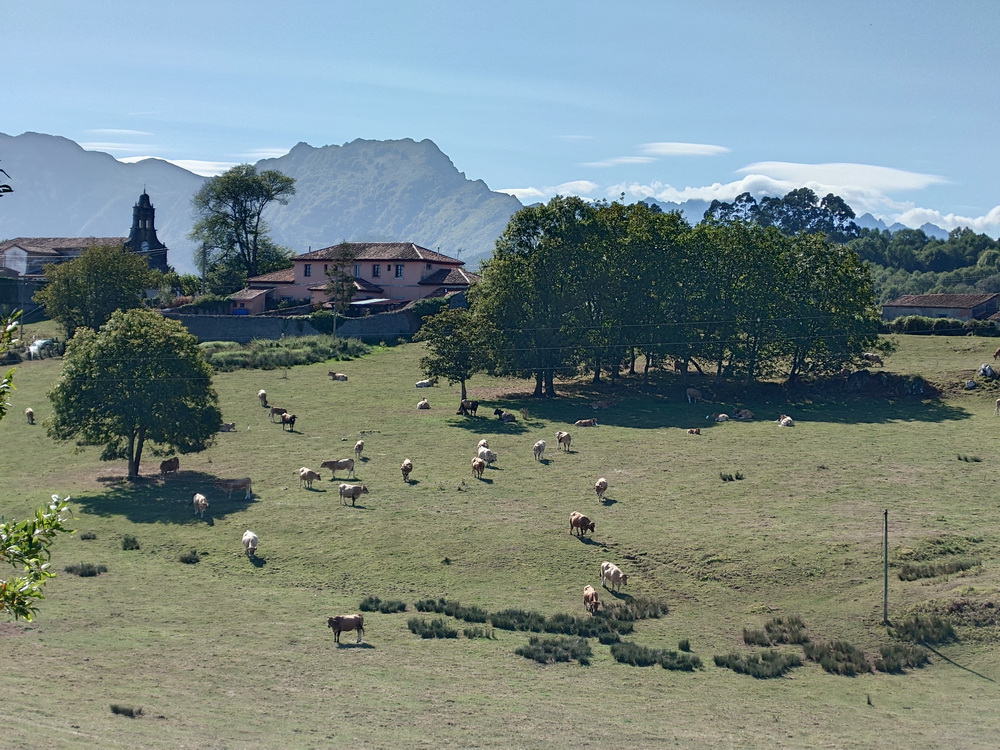
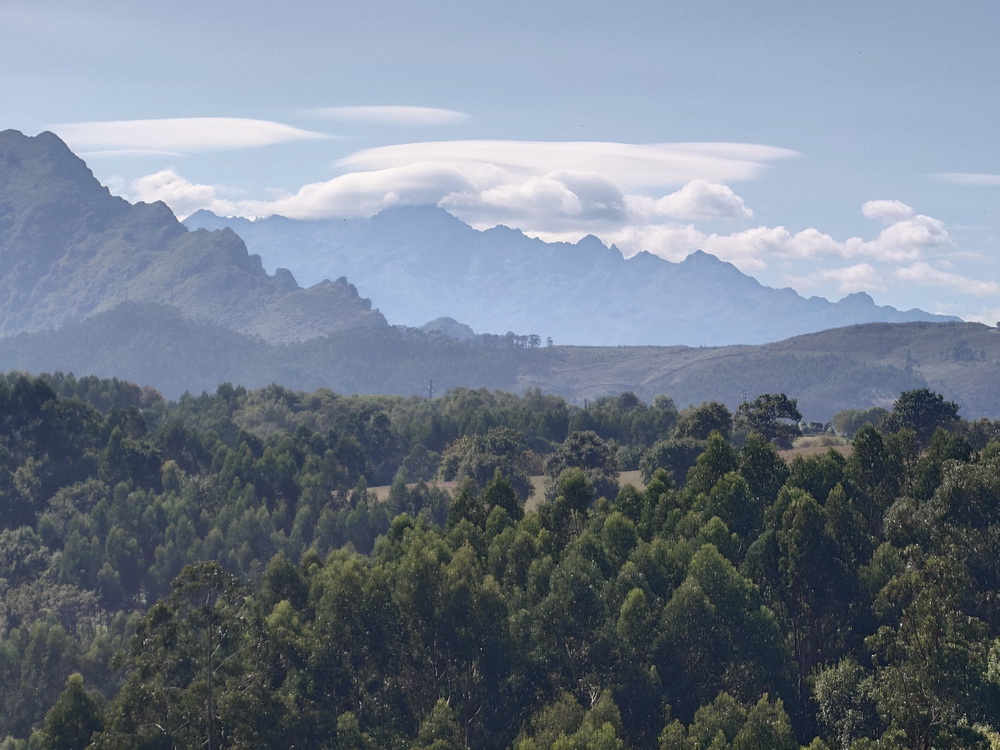
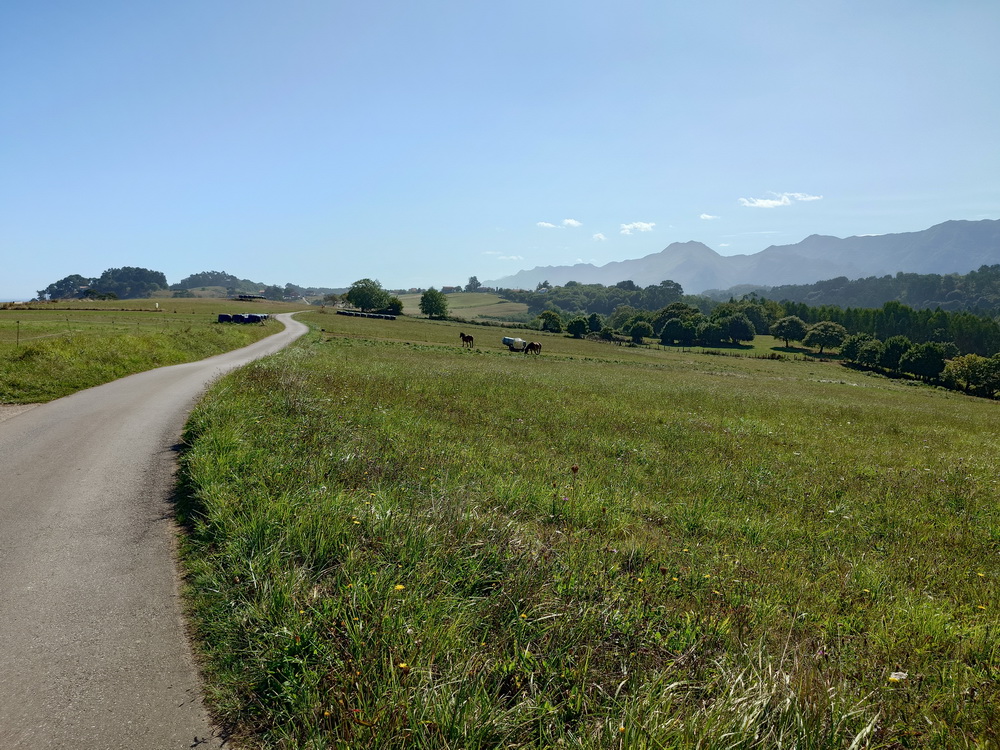
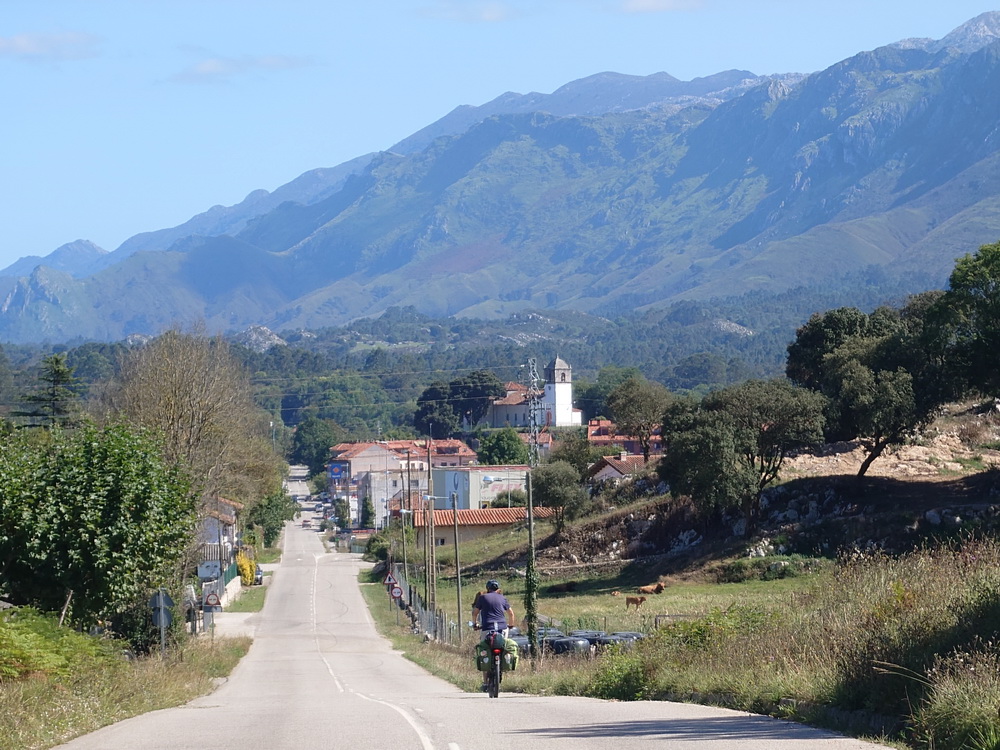
After Berbes we had an unexpected view into a wild canyon of the Río de Vega. A winding road led us into this spectacular gorge cut into lime and sandstones, which stood like towers into the sky out of the river bed. A school class was on its way to the beach of Vega, which looked so beautiful. But we had to continue and gain altitude again from sea level up to the rolling green hills of San Esteban de Leces, from where you could clearly see the Picos de Europa which were topped by lentil clouds. It was such a beautiful landscape that I used my GoPro to film it on a fast downhill run. I thought I had Robert behind me, but I lost him completely. I was waiting for him, but he didn’t show up. At the end I had to call him and bike all the way back to Abeu from where we took the main road downhill instead of the cliff road close to the cliffs with dinosaurs footprints. But you can’t have it all.
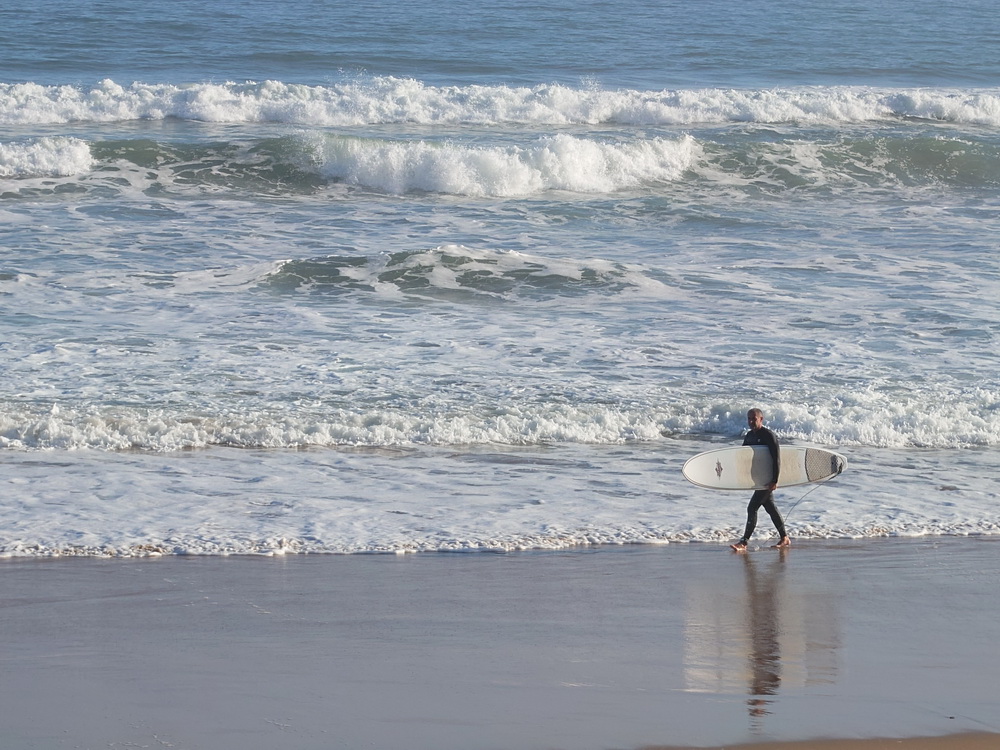
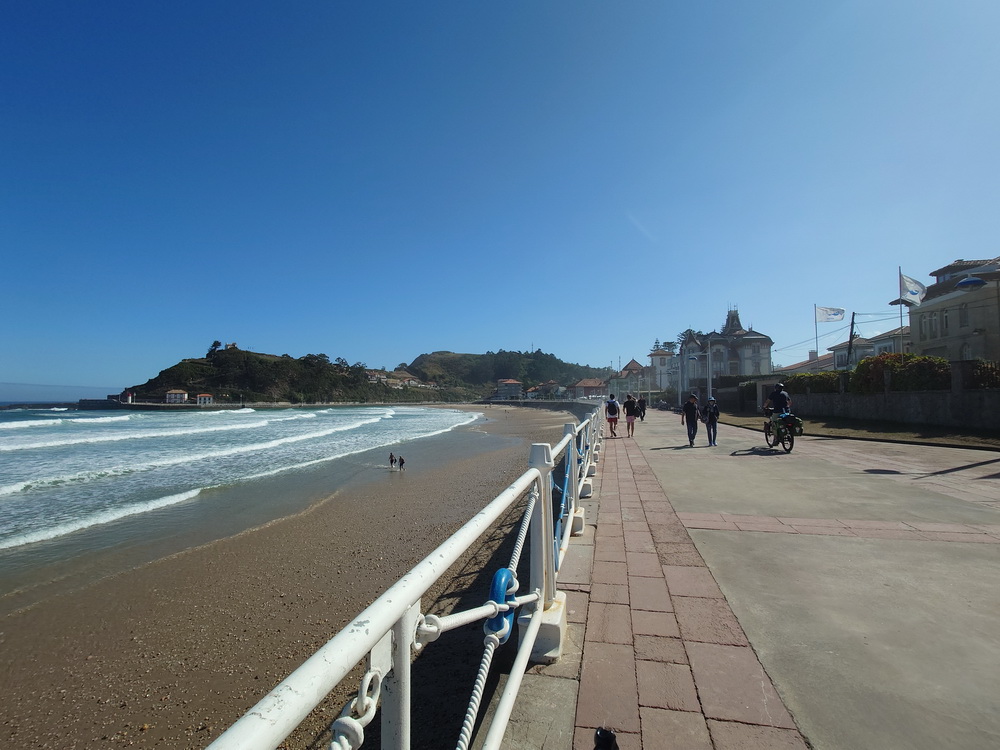
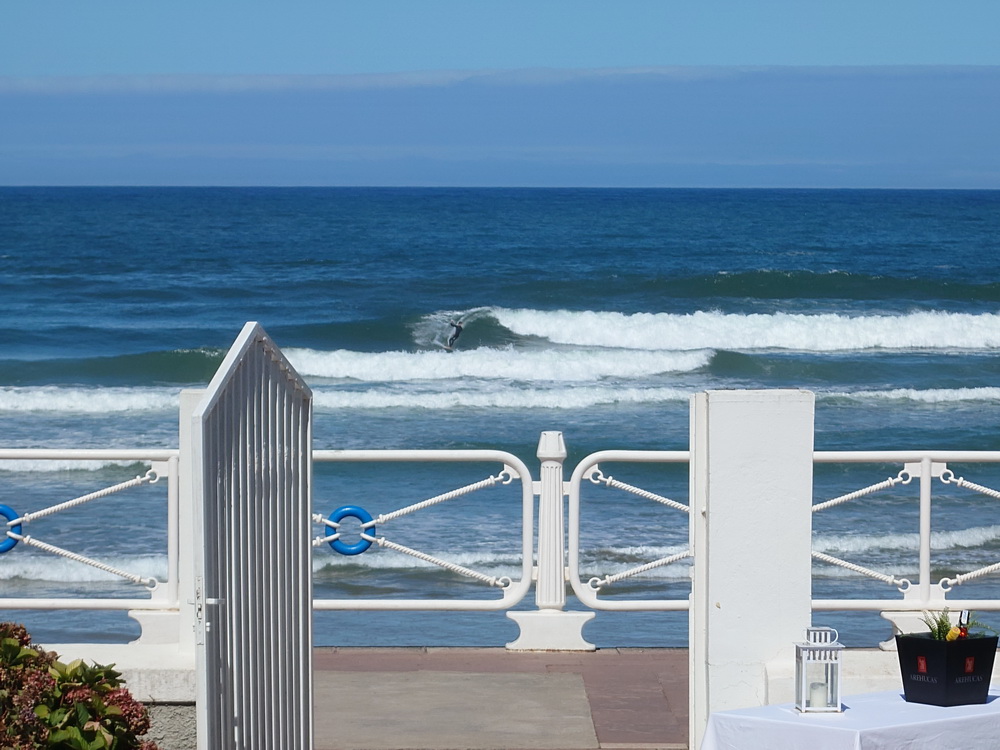
At Ribadasella there was another Playa de Santa Marina, which must already in the 19th century have been a place for rich people to have their villas and chalets right by the seaside. Now it was a perfect surf spot and it was a real joy to watch. We were looking for a place to have lunch, and there was a barkeeper at the Surfcamp Ribadesella who told us that they didn’t have their restaurant kitchen open anymore, but they would be able to offer us some snacks. At the end we waited for more than an hour until we finally got some fried food for which it had not really been worth the wait. It could have been such a cool place to enjoy, but it turned out to be the total ripoff.
We left a bit disappointed due to the way how we had been treated, but we were ready for new adventures and it was soon forgotten. Especially after we had left Ribadesella we were back in green rolling hills.
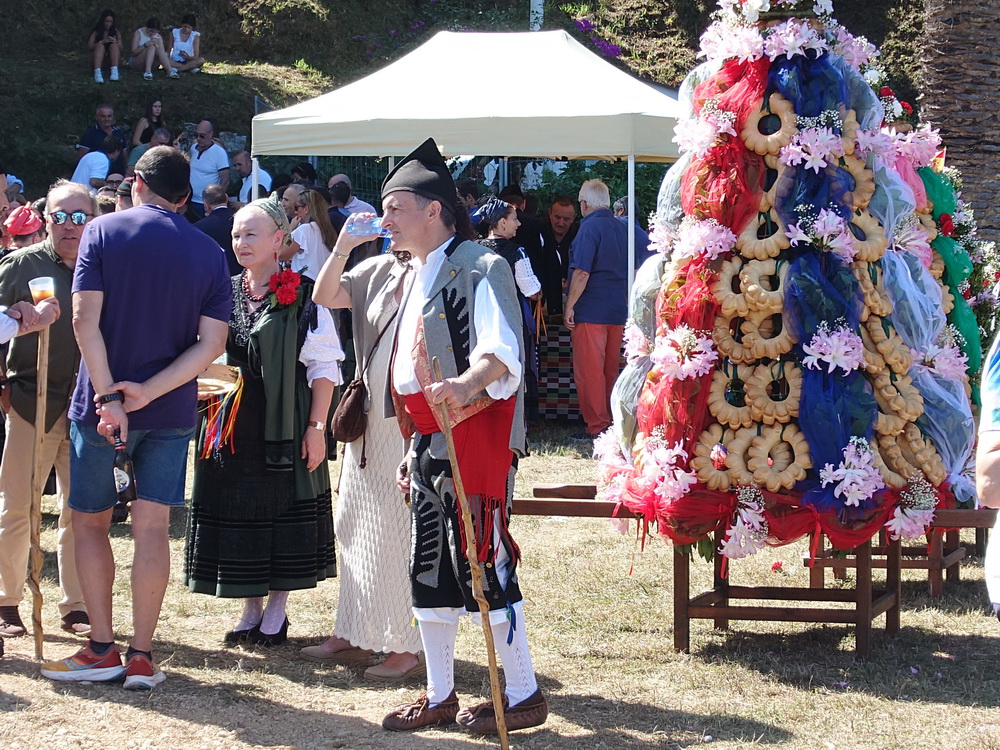
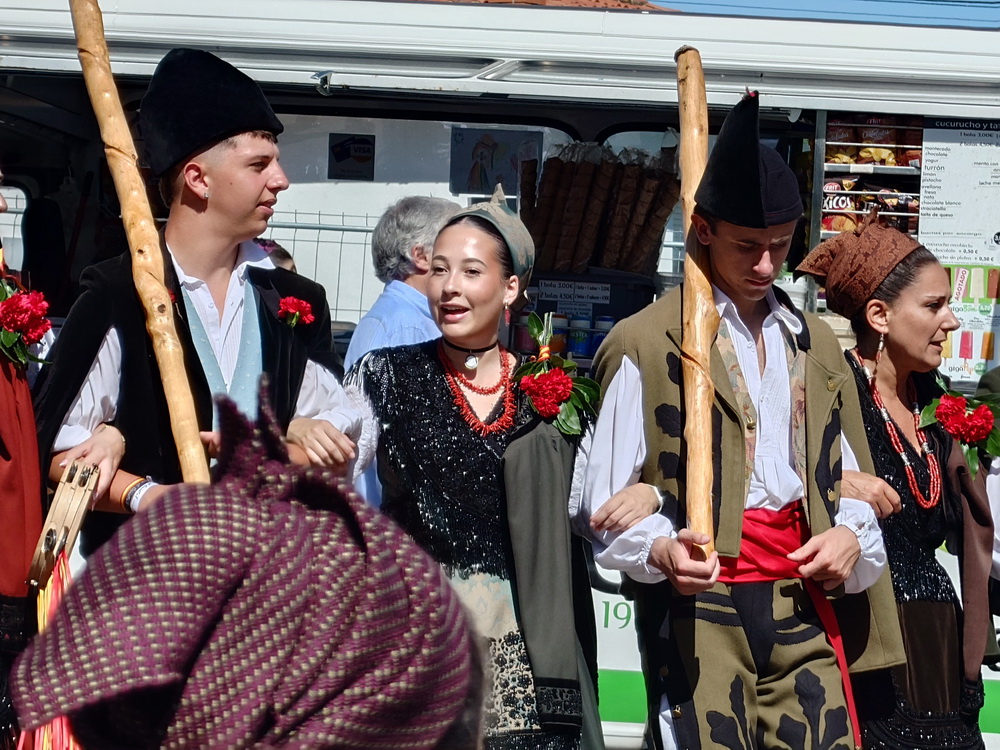
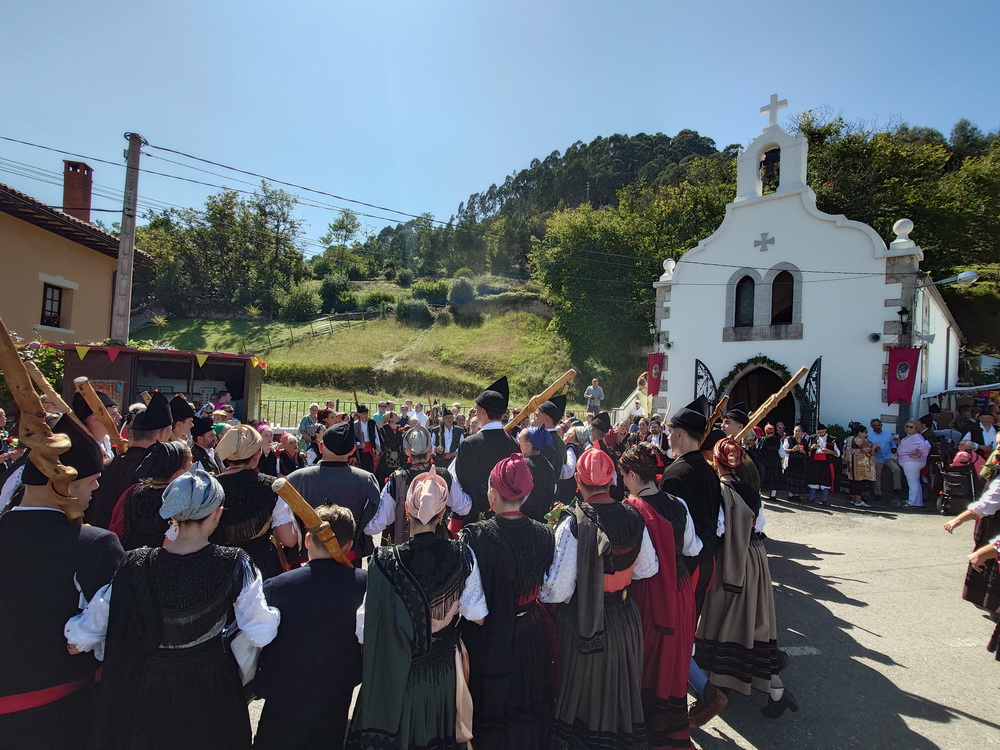
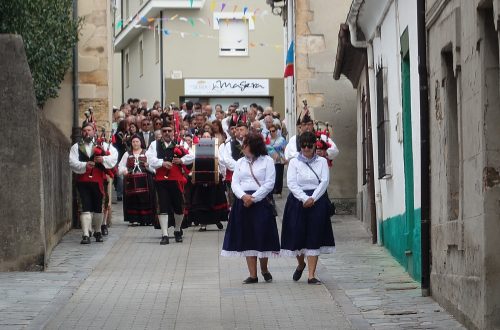
Once we entered the valley of the Río Nueva we were pulled into a crowd of people right before the entrance of the village of Nueva. They were all in their traditional costumes and celebrated the festival of Santo Cristo del Amparo (Holy Christ of Consolation) The chapel of the Eremita dating back to 1712 was the end of the procession, which had already taken place when we arrived.
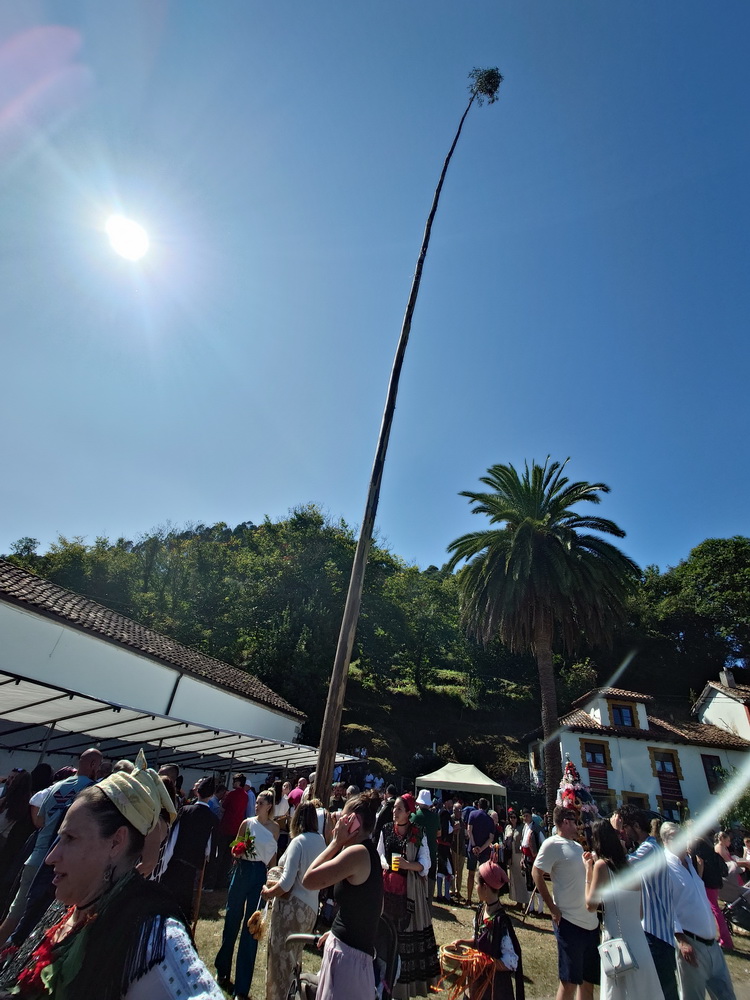
The tradition is for the men of the village of Nueva to cut and steal the tallest Eucalyptus tree of nearly 40m length in the mountain forests and to carry it to the chapel, where they put it up. It reminded me a bit of the similar tradition of the Maypole as we know it in Bavarian tradition.
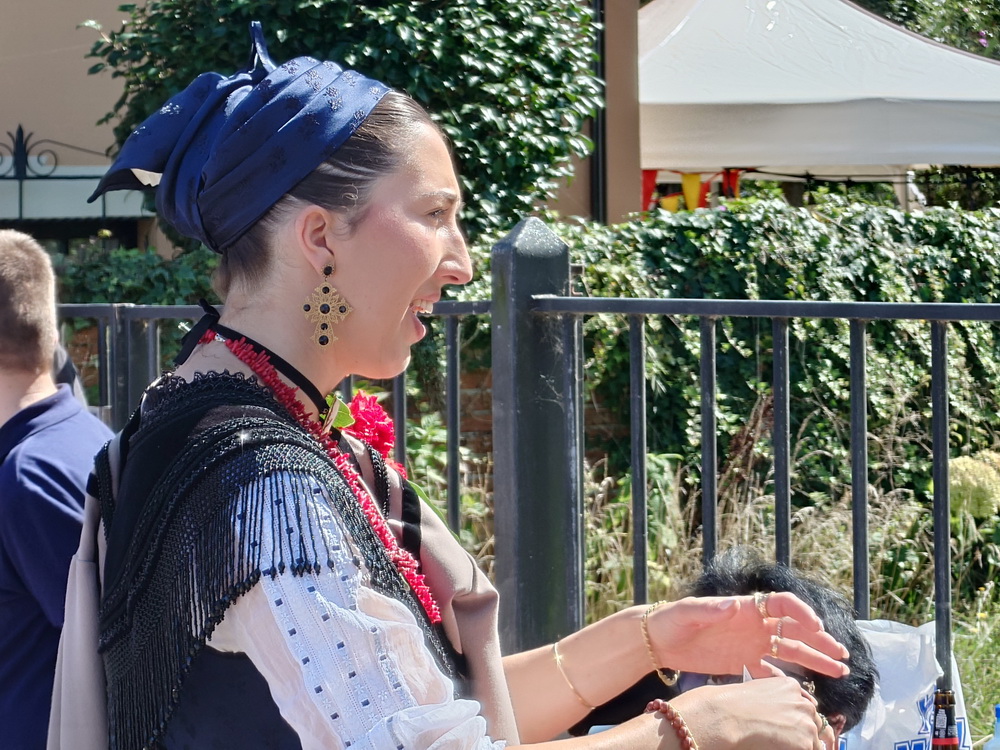
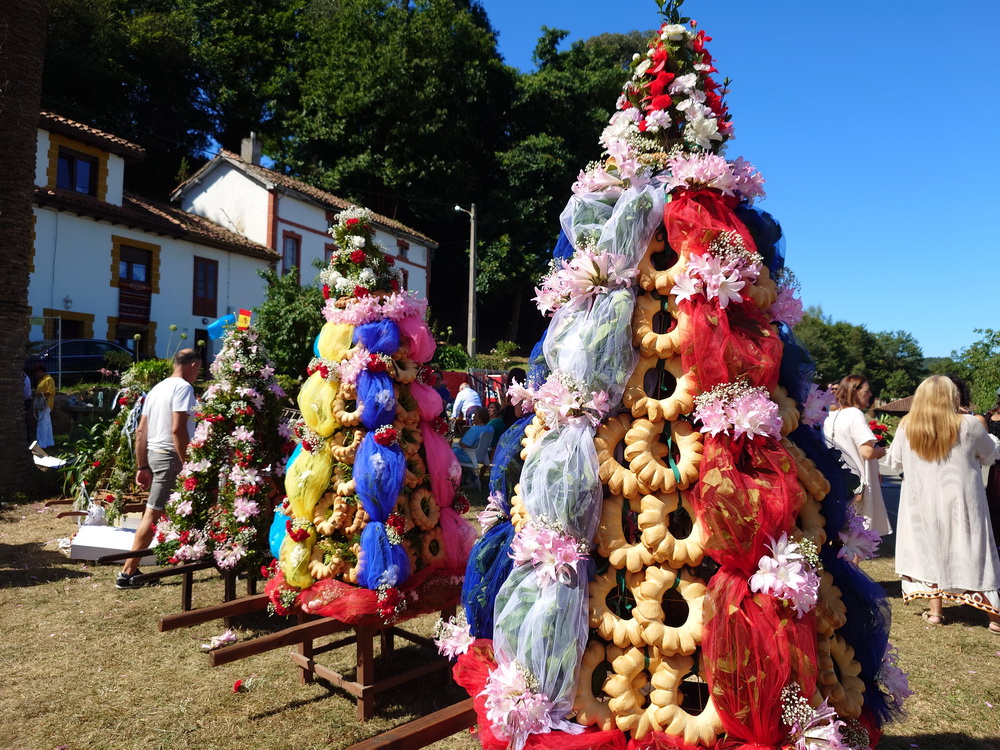
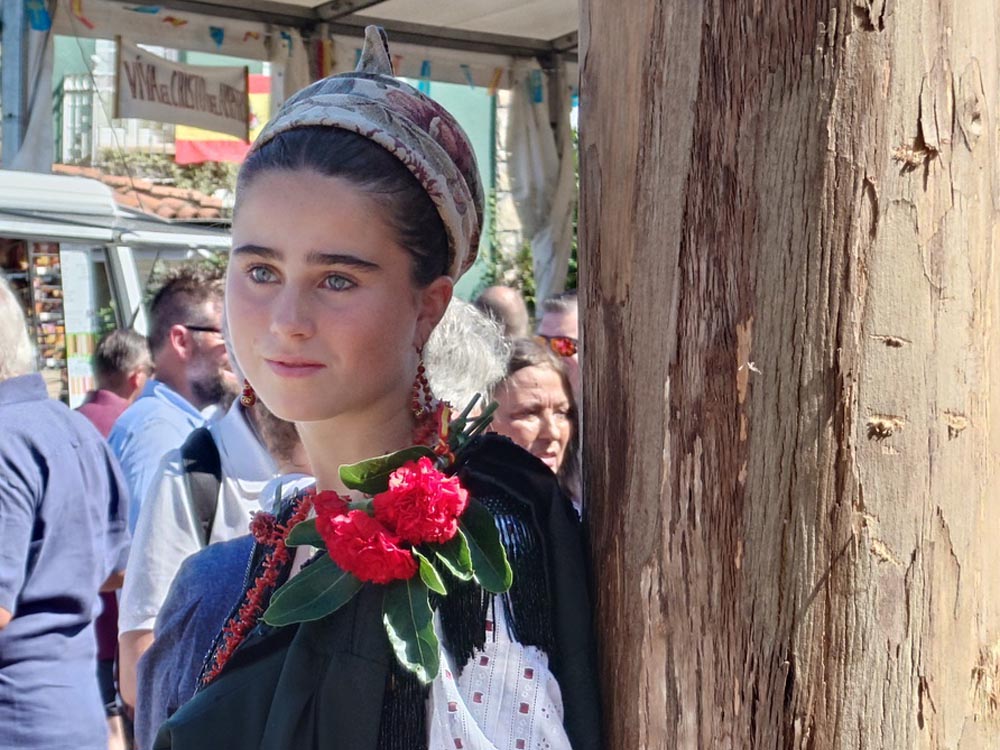
The road was so crowded that it was impossible to pass with our bikes. Huge sculptures of branches decorated with flowers and bread called “Ramu” were part of the procession and were set beside the chapel. The men had beautiful traditional Llanes costumes called “Porruanu”, which show leaves and palm branches as vegetal patterns on their jackets and trousers, related to the tree they carry. It’s a rite of passage from childhood to juvenileness. The women’s dresses were East-Asturian traditional Llanes costumes which were called “Indianos”, because they were related to the Spanish emigrants who returned wealthy from the Americas.
The people were very friendly and wanted to integrate us in their celebration. We had at least something to drink, but didn’t have the time to wait for the traditional garlic soup which is served at the end of the festival. We had to continue our tour, but couldn’t believe to have been so lucky to have been part of this festival for a short moment.
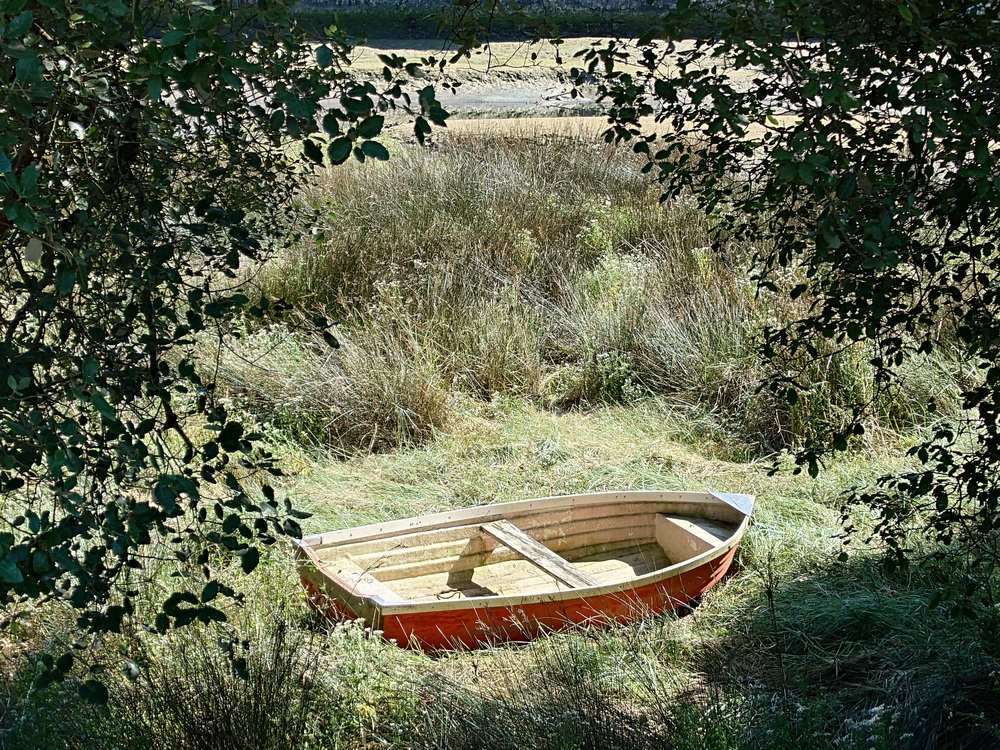
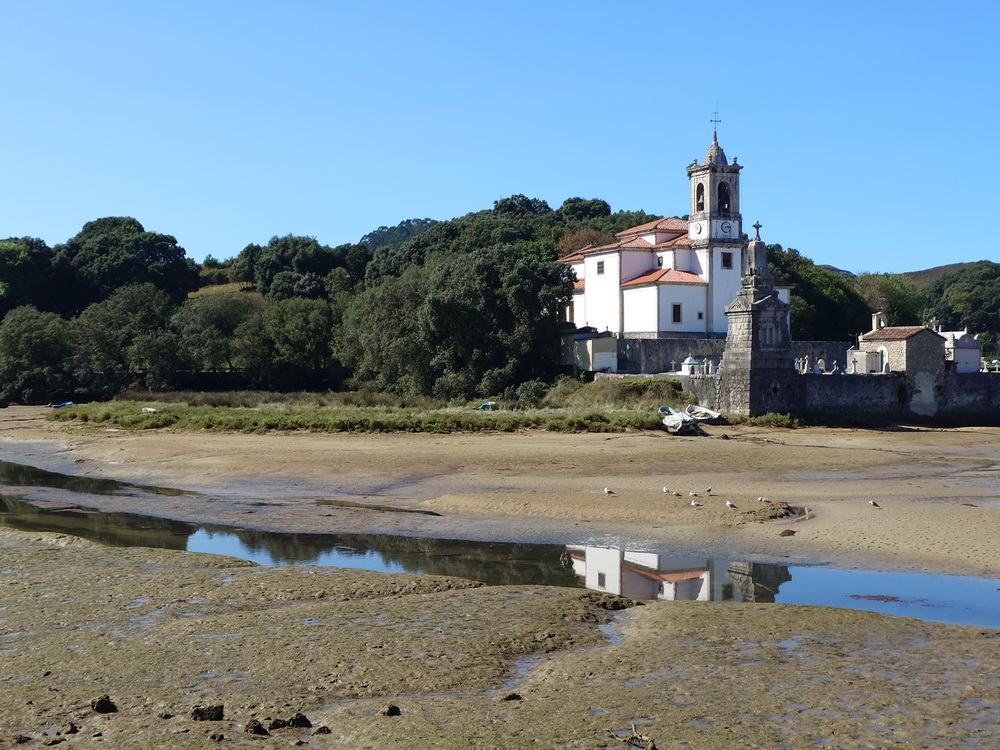
The tour over the foothills and along the coast continued to be rich in variation. Some beaches were still secret spots while others were completely crowded with cars parked all over. We passed the river bed of the Ría de Barro with its church that is usually mirroring in the tidal flood, but now it was low tide and we saw mostly mud.
Finally we reached the harbour of Llanes and checked in at the “Hotel las Rocas”. We immediately decided to stay for two nights as the weather forecast for the next day was rain, and we had a nice room overlooking the harbour. We met a motor biker from Great Britain, who had just arrived and had had the bad experience of being robbed in Santander. Right at the first red traffic light after having gotten off the ferry from England, two bikers new exactly how to push and turn the magnetic holder of his mobile phone, and had taken off on their motorbike. We were shocked because we never had any bad experience until now, and hoped to that it would stay this way.
The sun was still shining and Robert had promised me this morning to take a swim in the ocean. The Playa de Puerto Chico was at walking distance, and we took our swimsuits to jump into the waves. But the whole bay was full of kelp and algae and not the crystal clear blue water we had seen elsewhere. By the stairs there was a cold shower where we could try to clean everything off, but even after we had a drink in the setting sun and returned to our hotel room we were still covered in kelp. Feeling a bit fishy after all this kelp it was a good reason to get some seafood for dinner at the Sidrería La Carbonería de Pepe Cavallé.