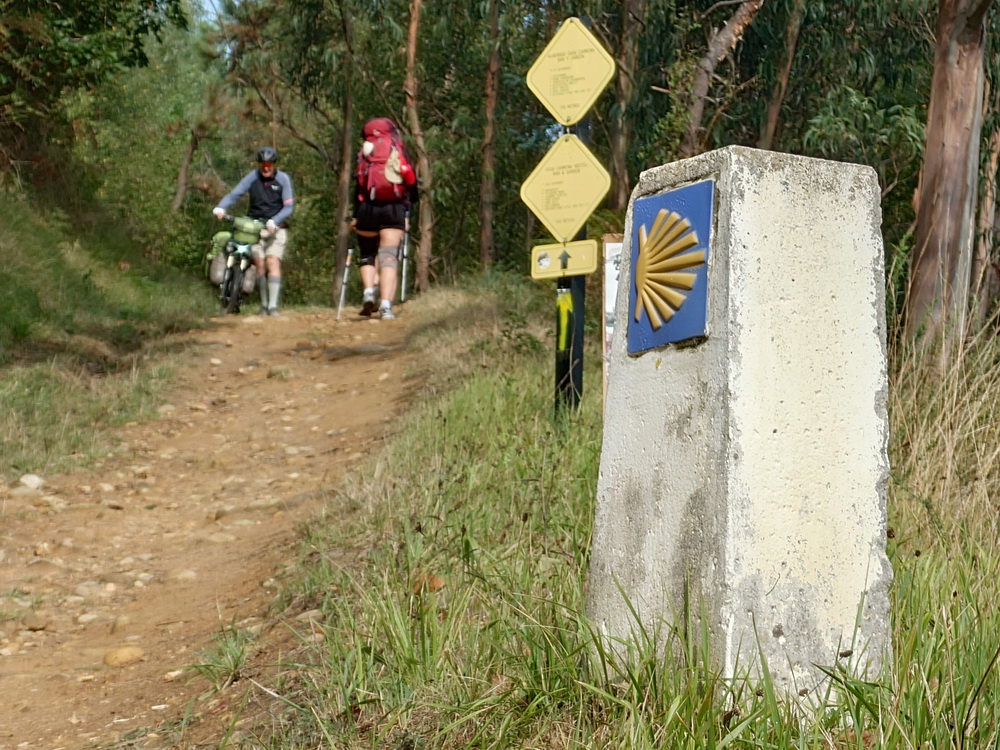
This morning the sun broke its way through the clouds and even a bit of blue sky looked very promising when we were ready to leave the Casa Carmina at Muros de Nalón. Unfortunately we didn’t see Sara and Laura anymore to say goodbye. We thought it was an easy start with just rolling down to the Río Nalon, but the road turned into a rough rocky pilgrims’ trail, which forced Robert to step off his bike. Down by the river even the pilgrims were forced to cross the bridge in a narrow space between the handrail and the guardrail against our direction. We had no choice and had to stay on the main road.
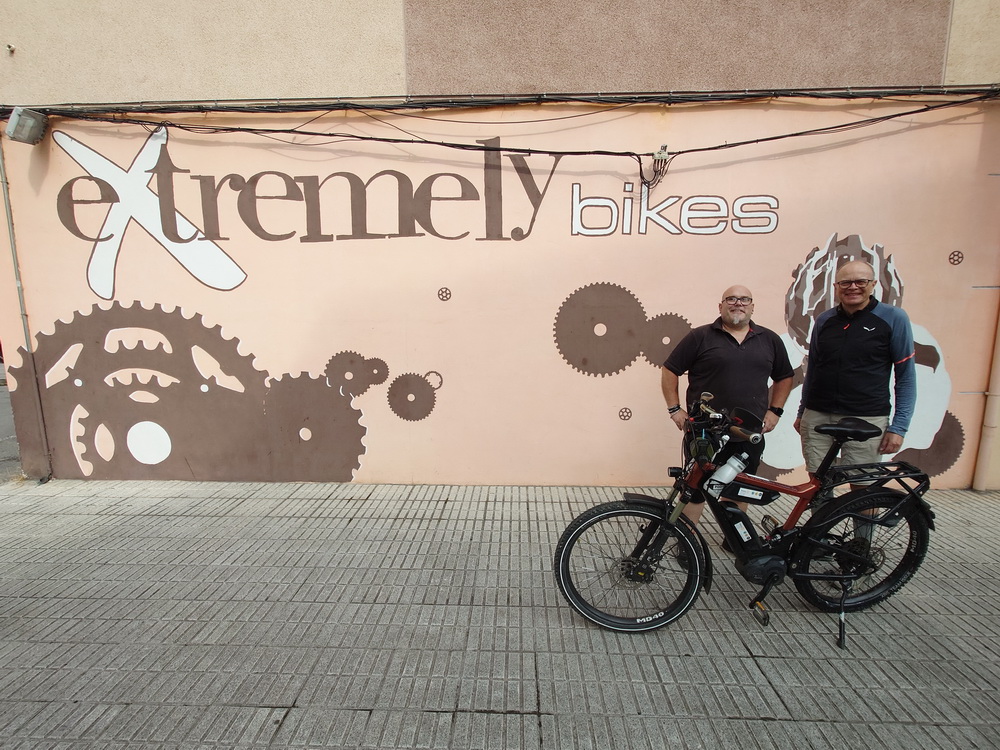
At Soto del Barco we decided to leave the common pilgrim route to make distance and stay on the National Road N-632a to Piedras Blancas. Robert had already researched for a bike shop along our route to get his back tire exchanged. The bike shop was called “extremely bikes” and was difficult to find, because it was hidden on the rear side of an apartment building. But once we had found it, the owner was immediately ready to replace Robert’s tire. He said pilgrims always had priority for him, and offered a 10% discount. They offered us some water to drink while we were waiting, and in a short matter of time Robert had a brand-new back tire and we were able to continue to Avilés.
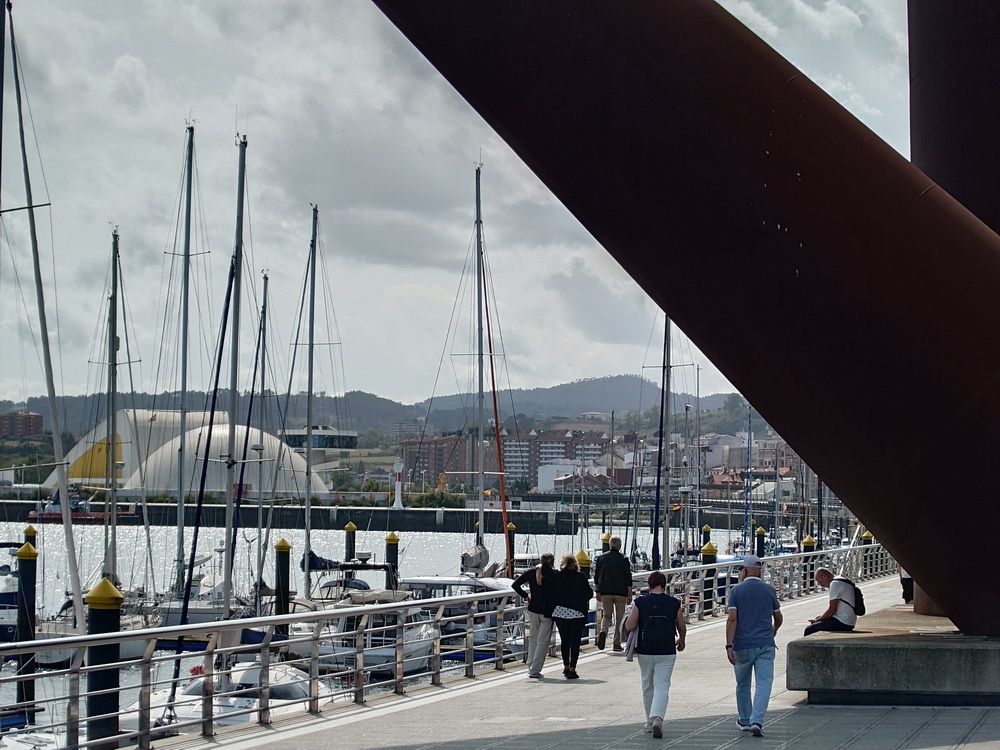
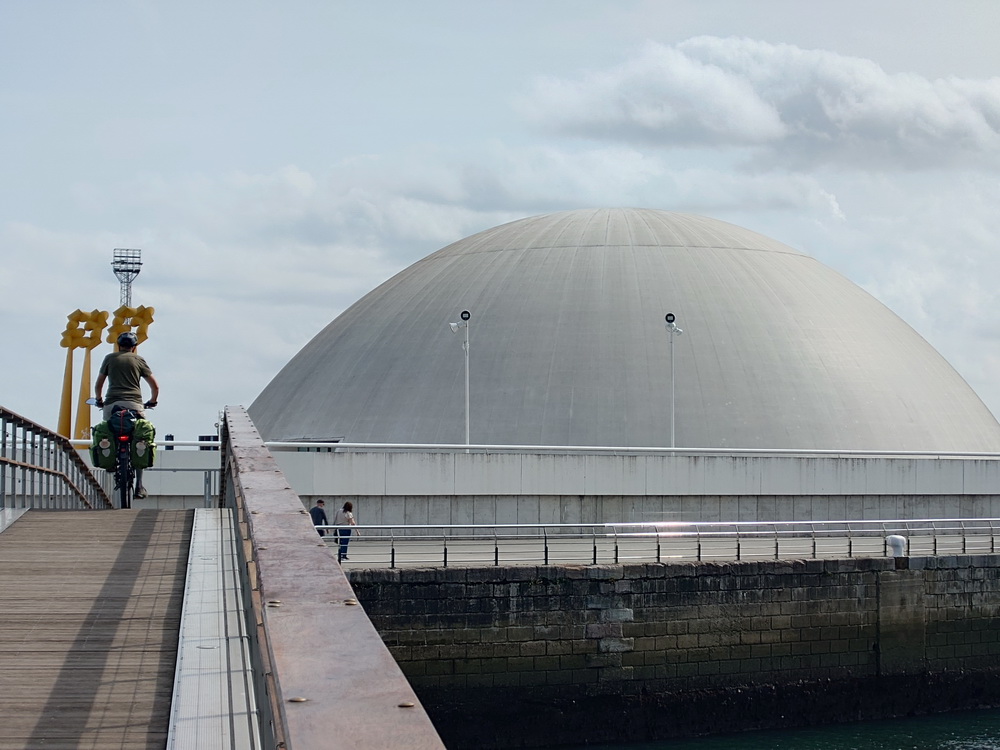
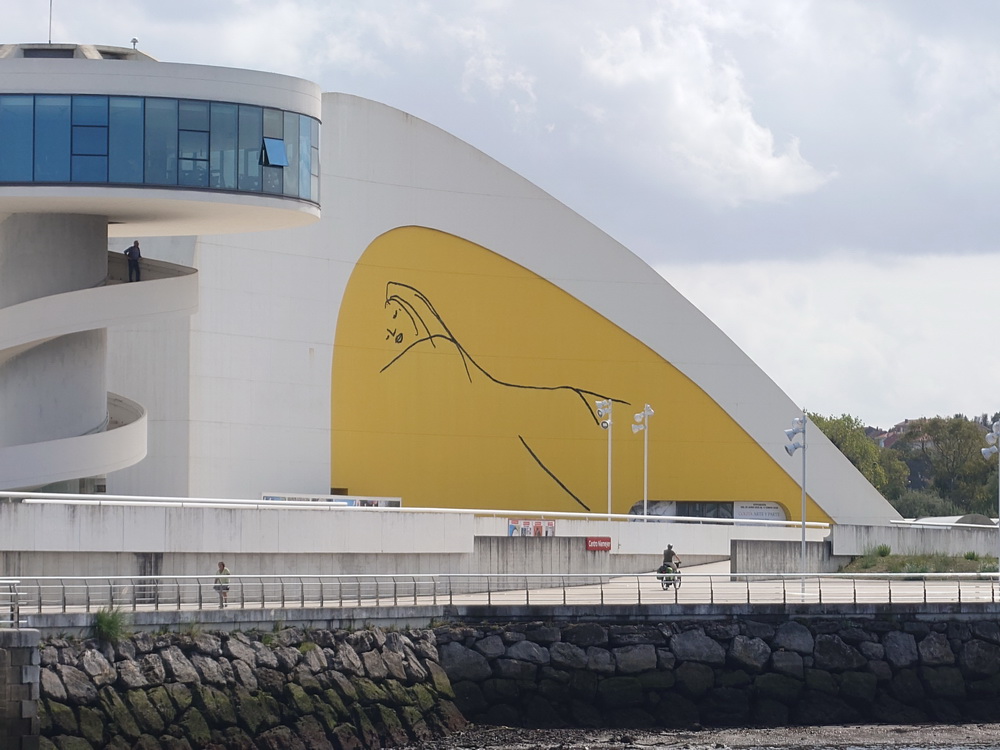
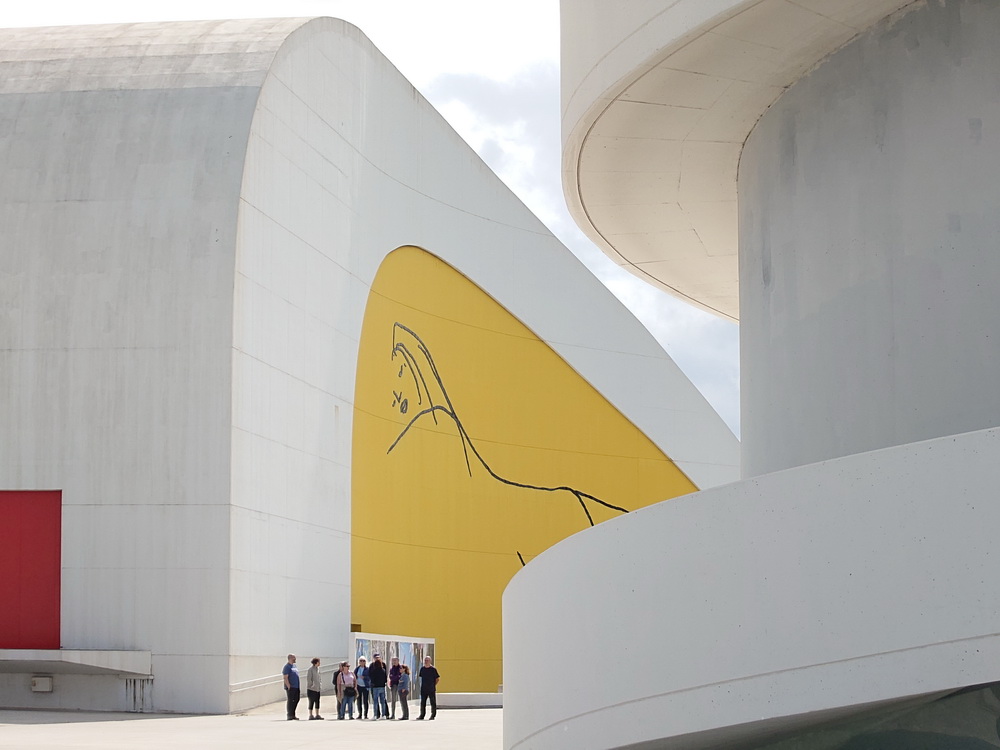
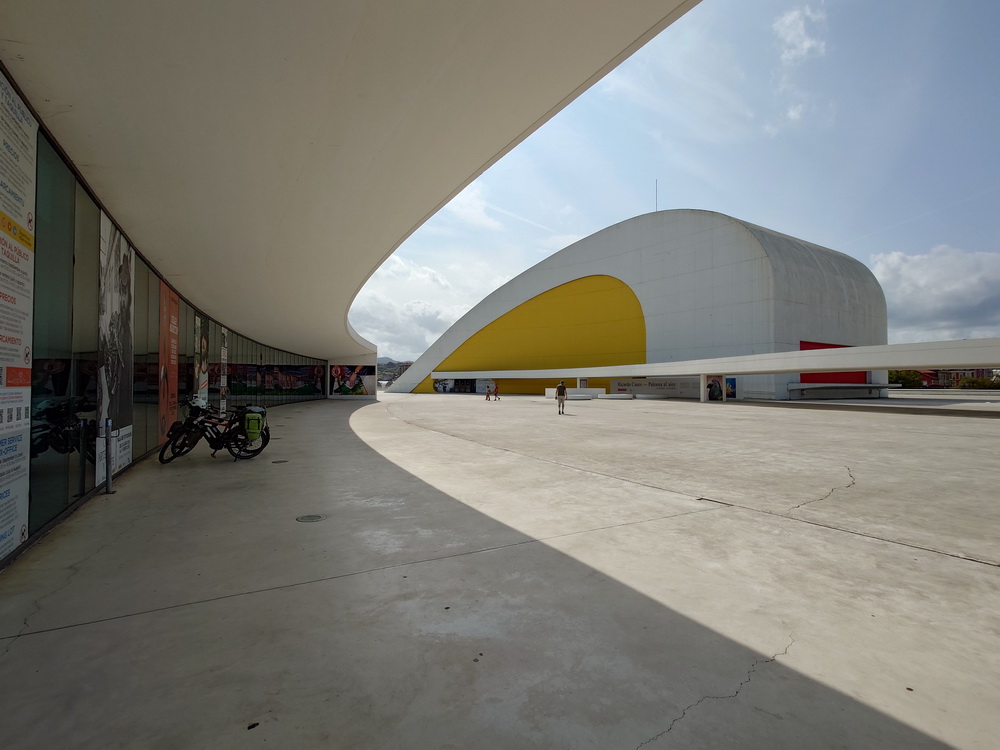
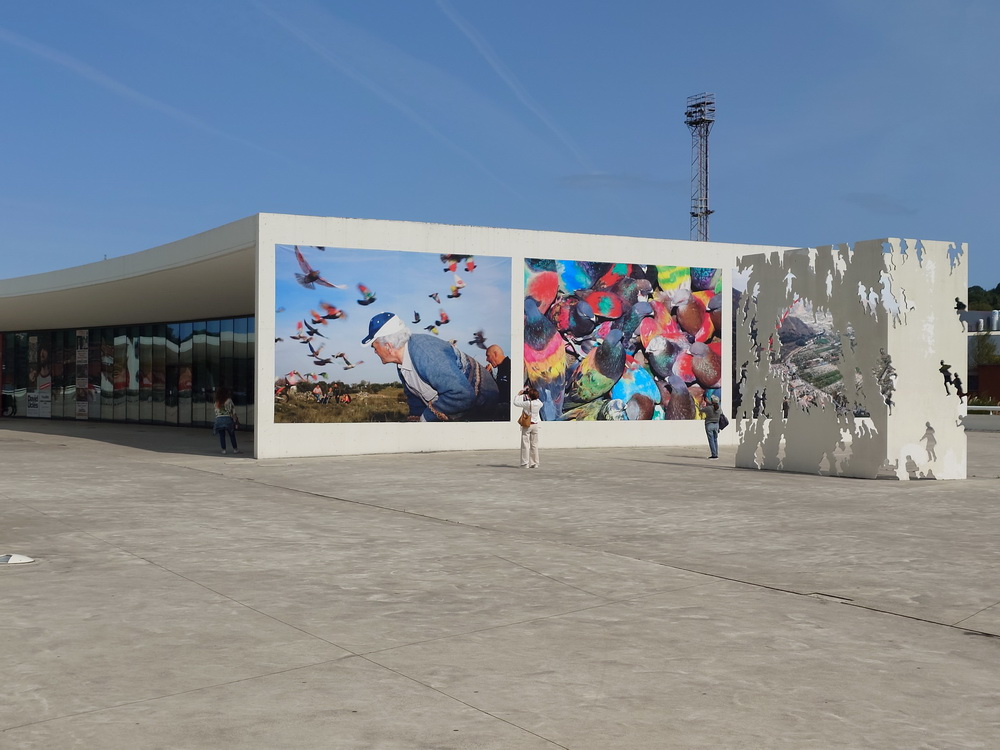
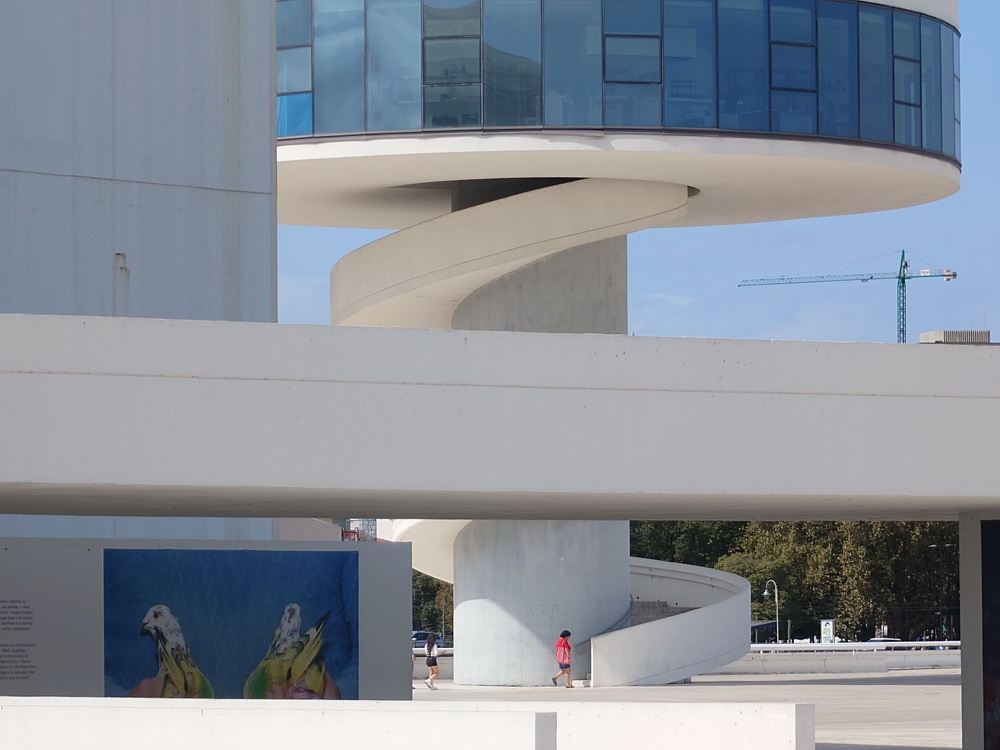
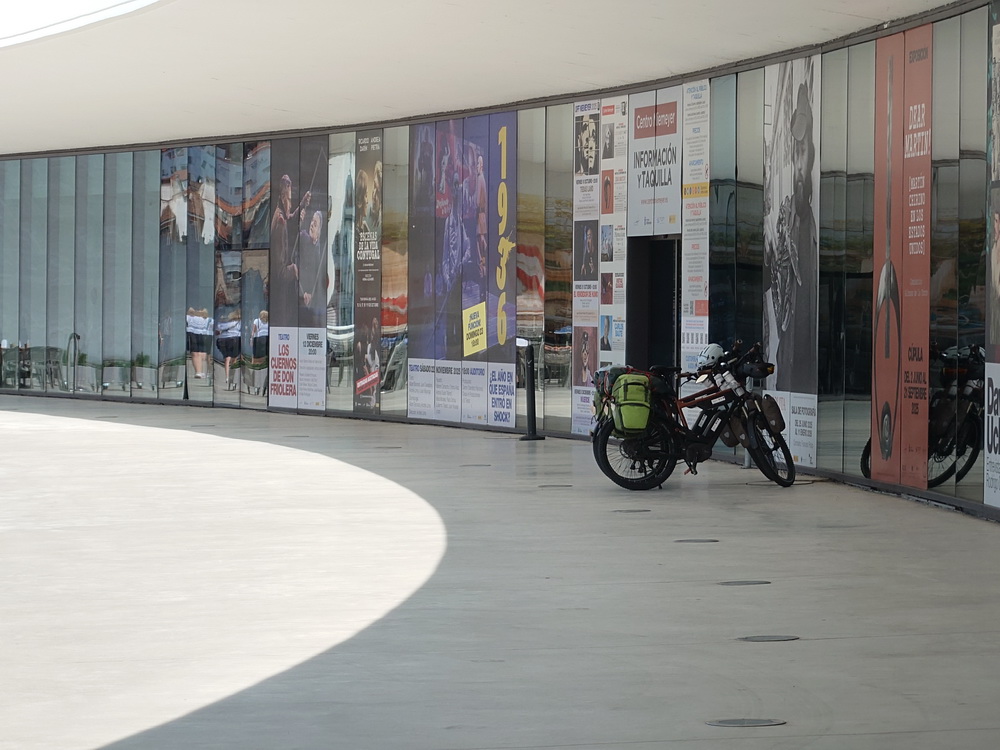
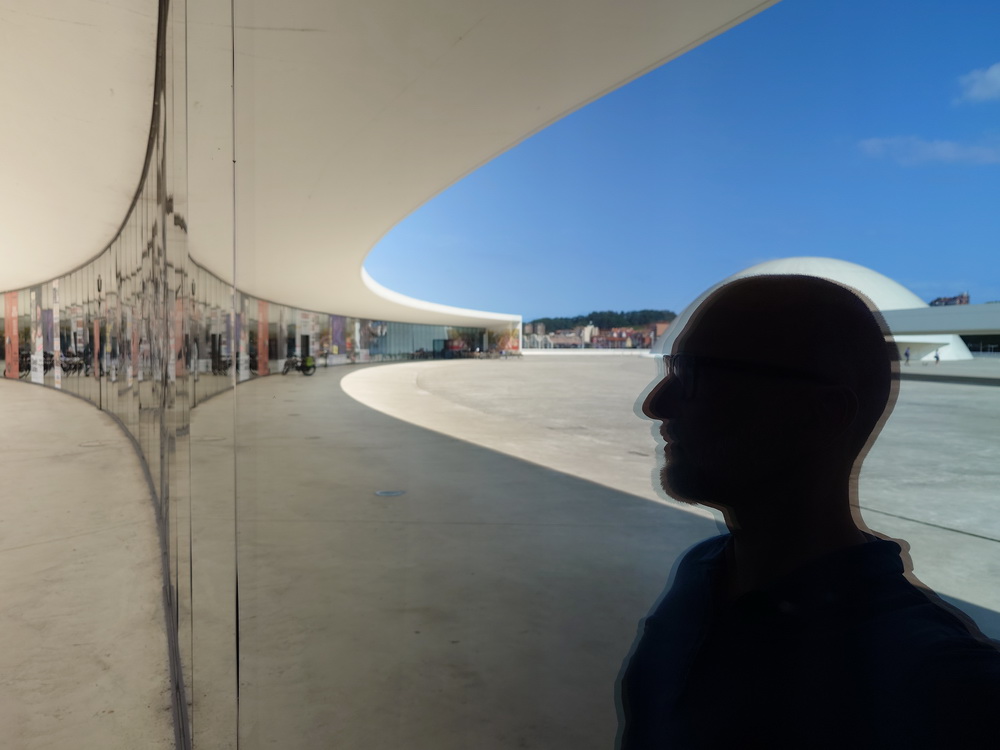
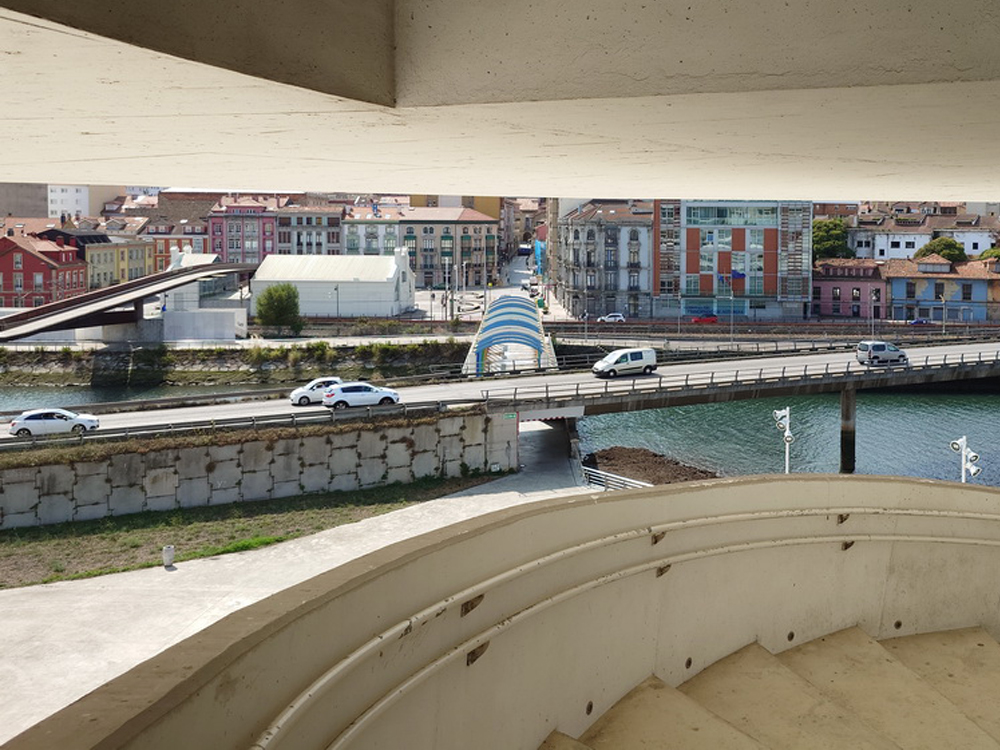
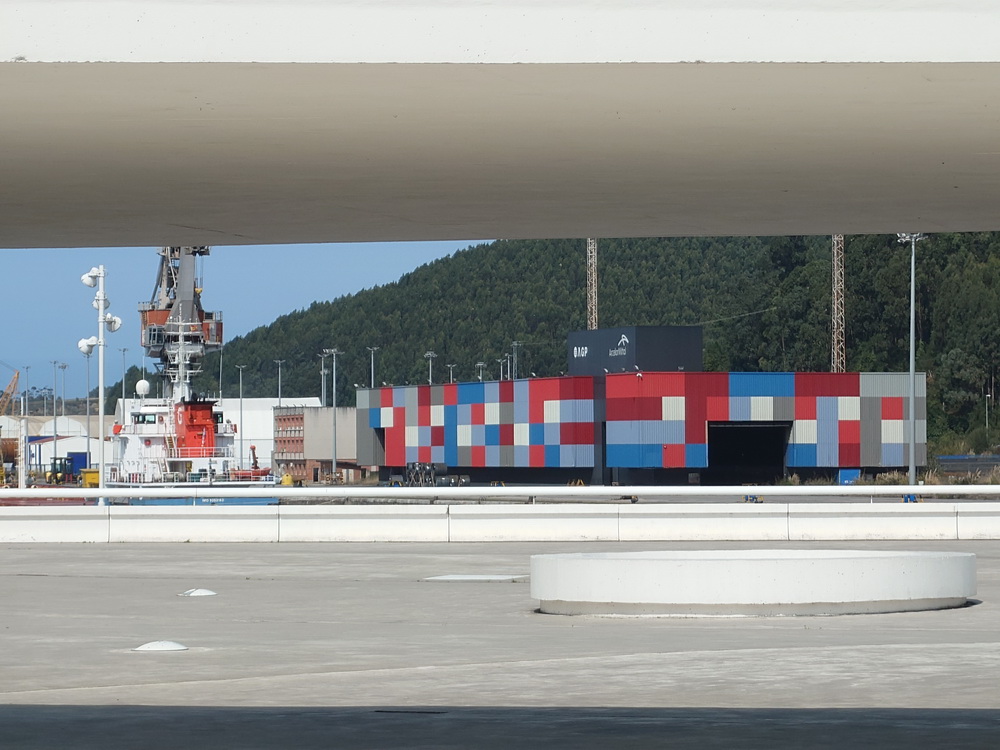
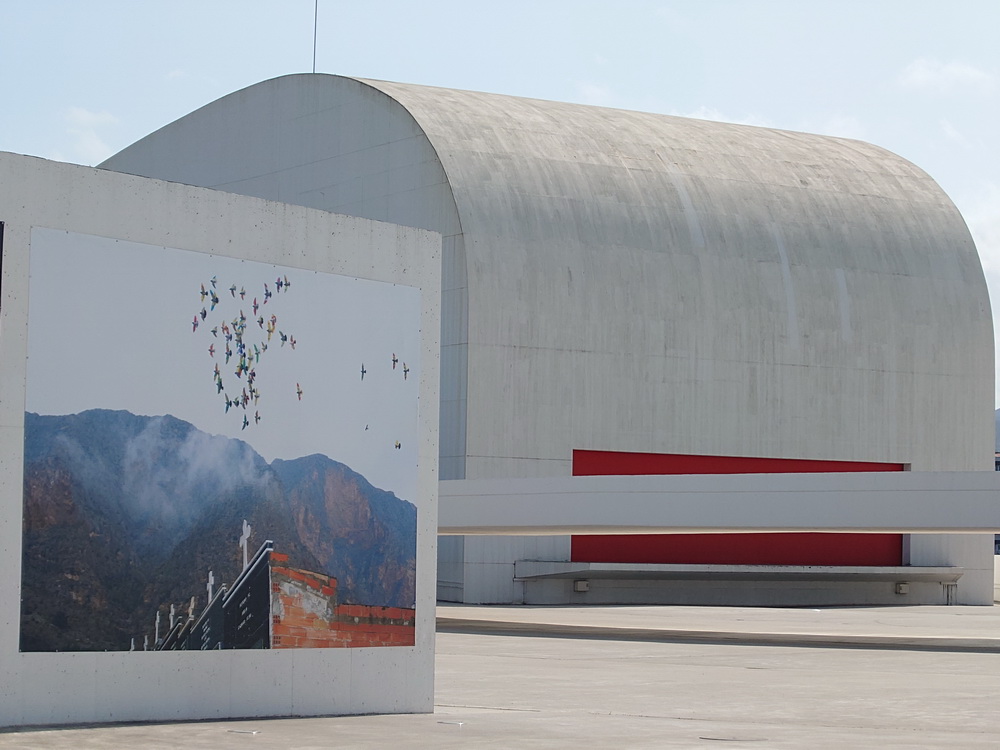
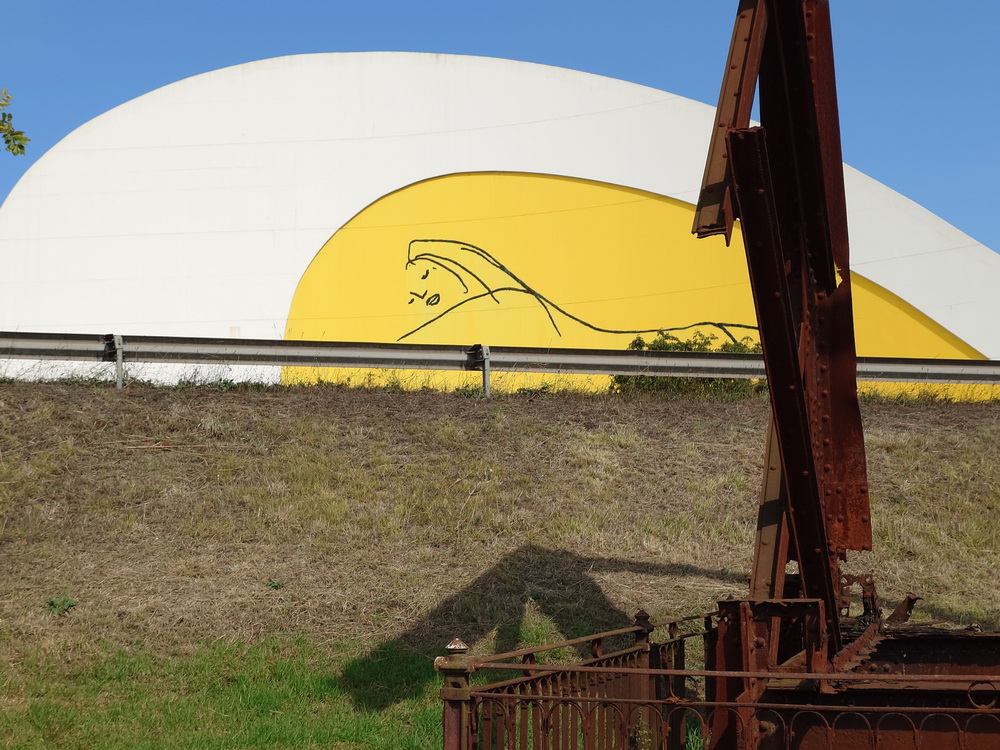
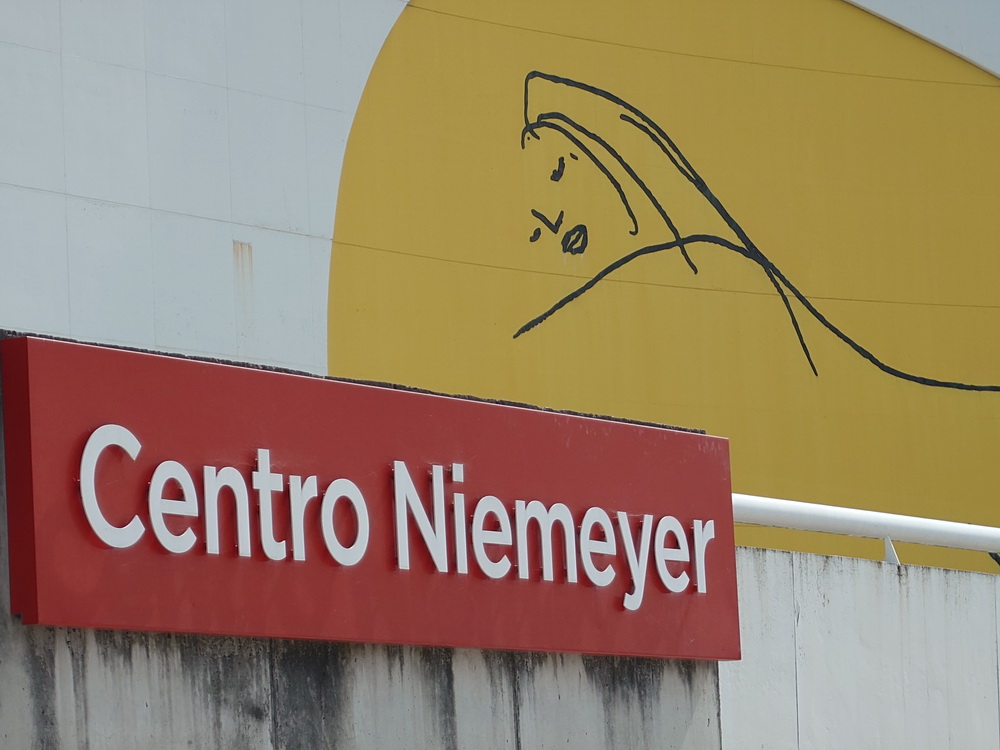
We entered the city from the harbour at the Ría de Avilés, and could already see from a far distance the architectural highlight of the Centro Niemeyer. The post-industrial time of a coal-mining and harbour city got a new perspective for its cultural life, like it had successfully been achieved by the Bilbao Guggenheim Museum in 1997 by Frank O`Gehry. For Avilés they chose the Brazilian Architect Oscar Niemeyer for a cultural centre, which was built in 2011. It is the only building design by him realized in Spain, and the biggest in Europe. It offers a huge dome for exhibitions, a congress hall which can open its stage even to the Plaza, where a tower restaurant has a panoramic view to the historic city centre on the opposite side of the river. Unfortunately, most of it was closed, but we were at least able to get tickets for a small photo exhibition at the ticket booth, where we also could put our bags into lockers. At the historic photo collection, I recognized the famous dancer Antonio Gades in one of the photographs from a time when he still was not world known by the Carlo Sauro film “Carmen” in 1983.
Outside the sky was blue and contrasting with the white sculptural architecture, creating sharp edged shadows. Luckily the little restaurant “Oskar” along the stretched arching reception building was open and we enjoyed our lunch there. After we had finished we wanted to get our bags out of the locker room, but the reception had closed. I was begging the security officer to please let us just get our things out to be able to continue. He made an exception and we could release him from the ugly view of our disturbing bikes, which were actually not allowed to be parked in front of this architectural site anyway.
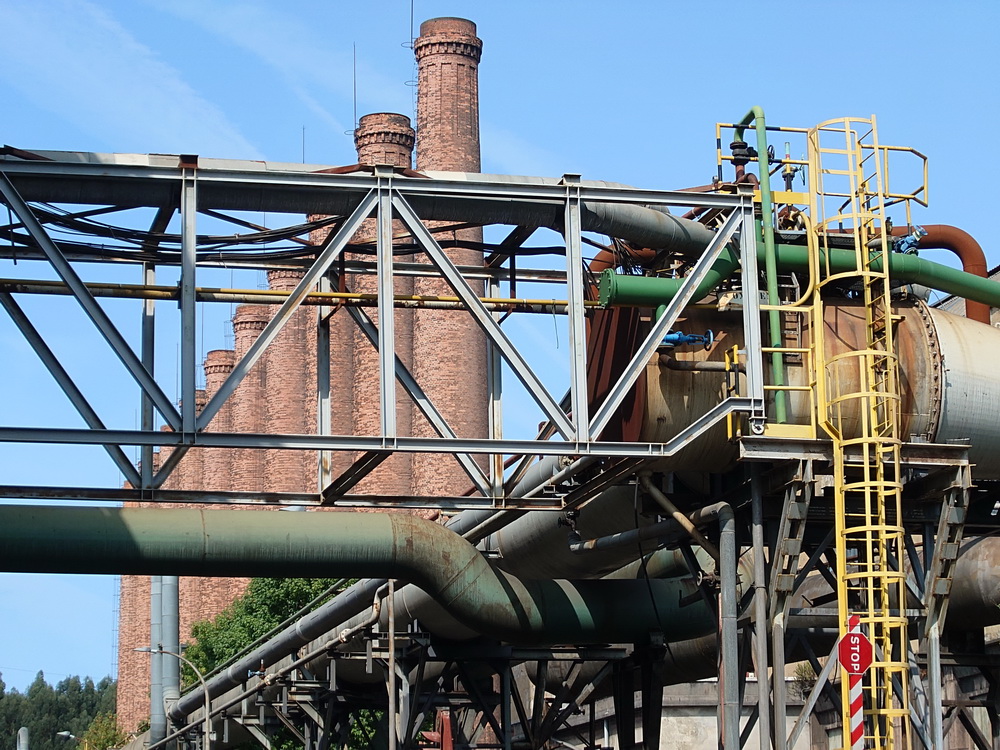
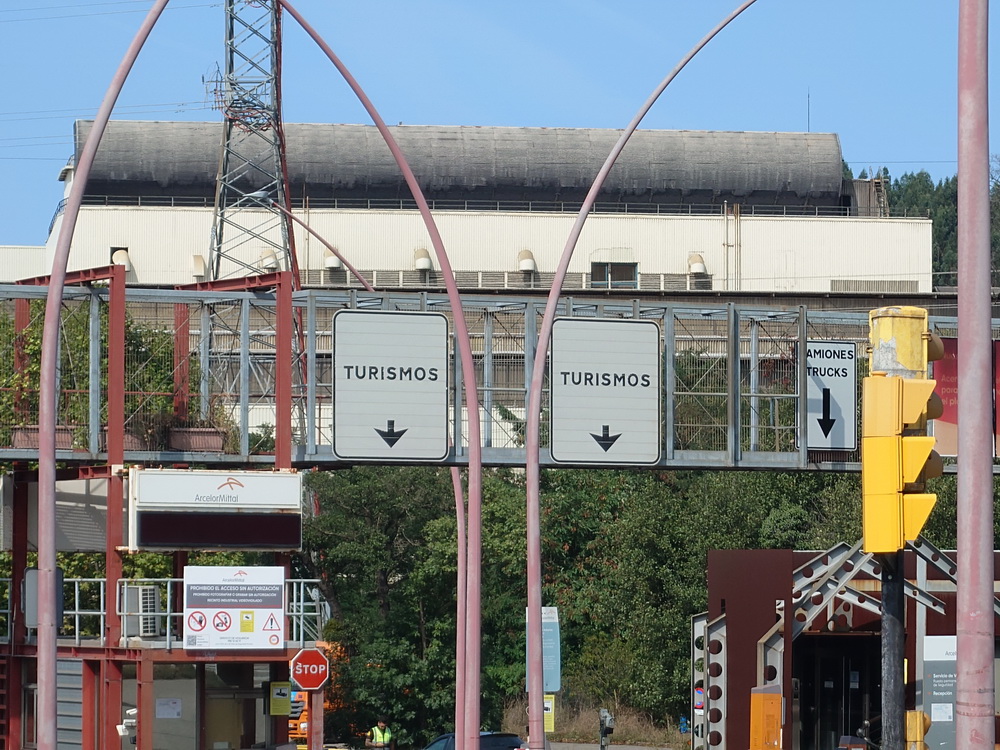
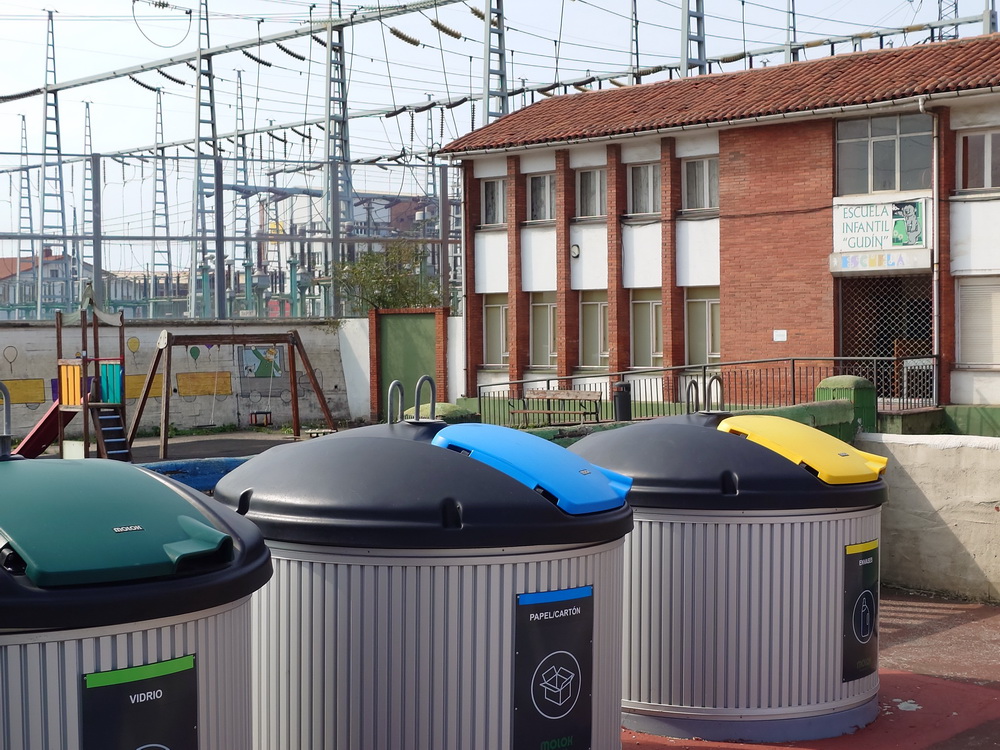
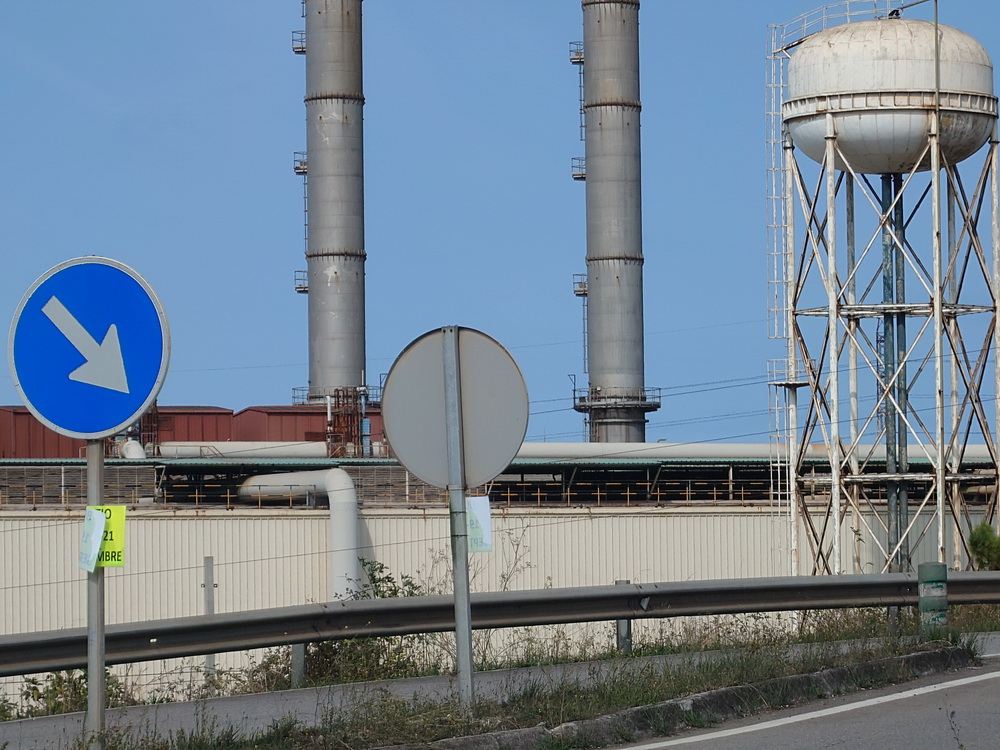
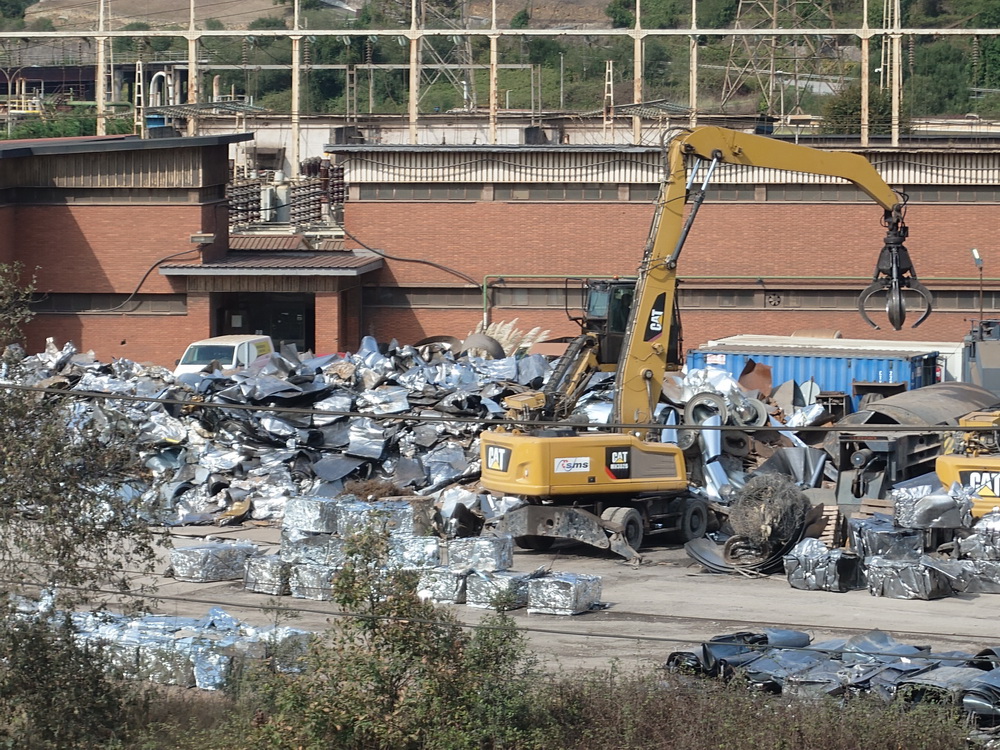
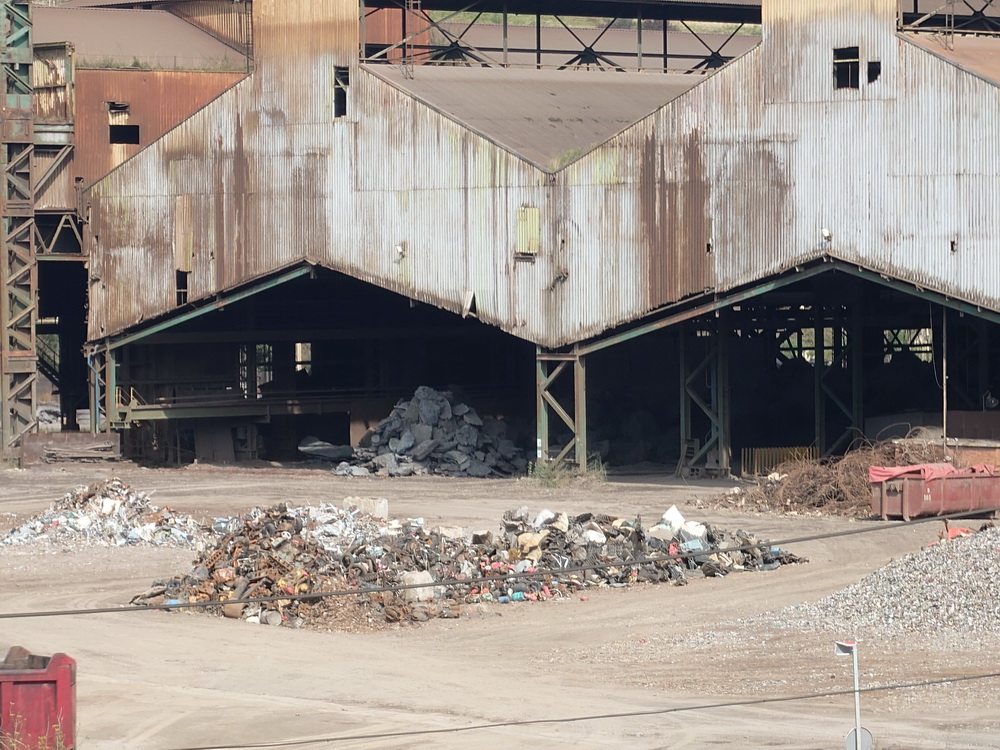
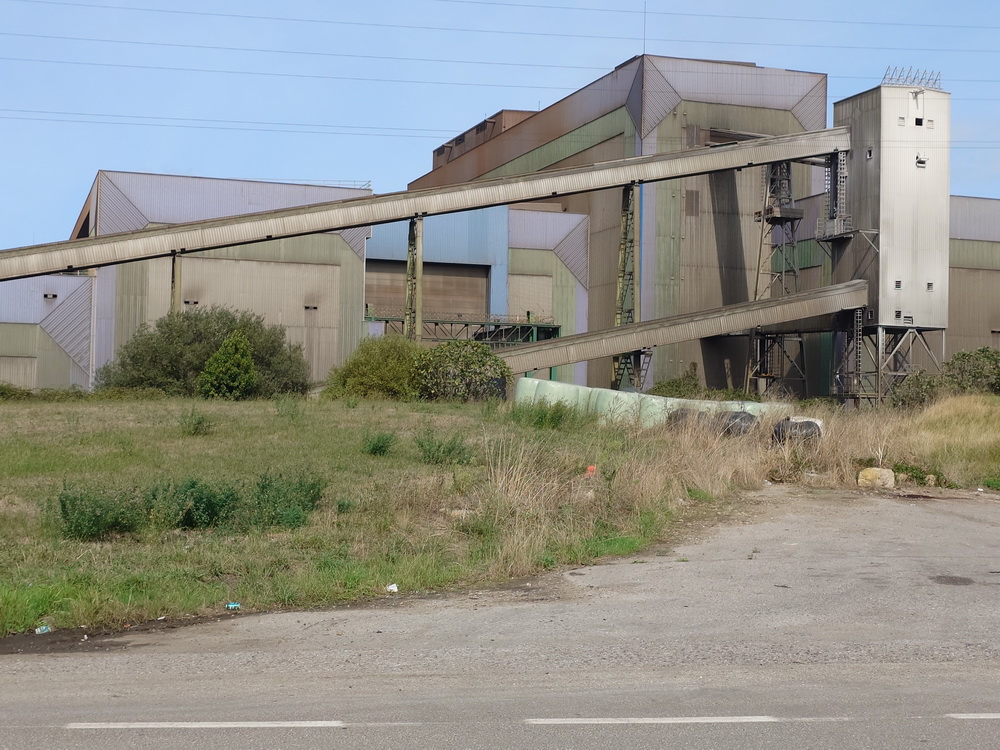
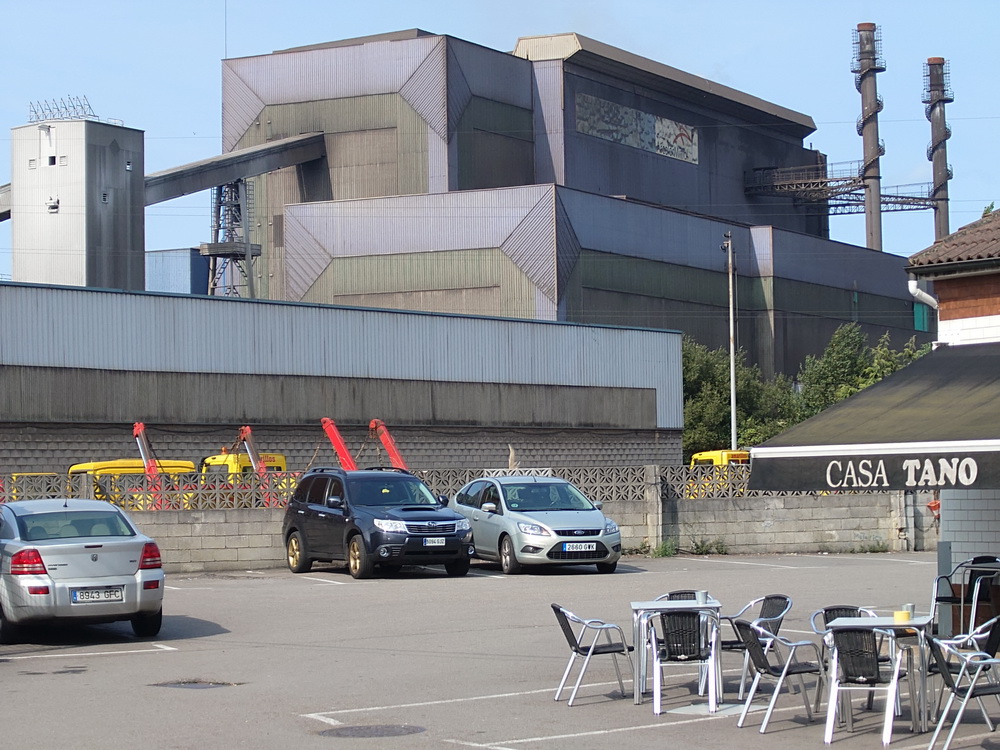
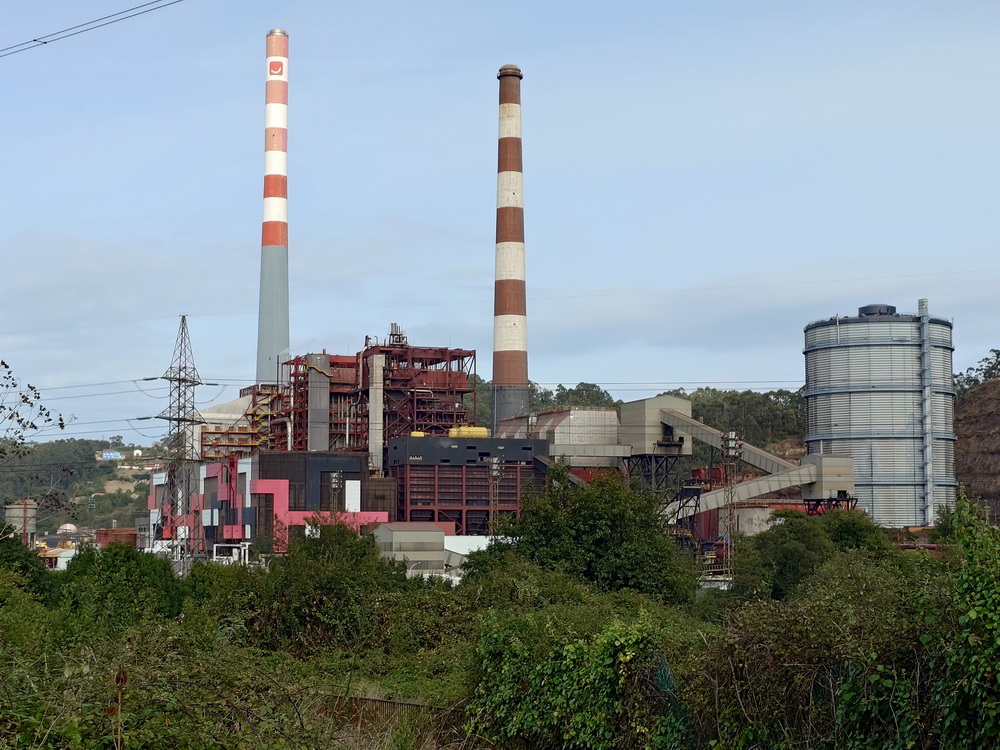
It seemed like bikers were not really welcomed in the upcoming city traffic and following my navigation tools we were caught in a road system, where we were divided from the bike lane just by a fence, but being on the wrong side on a highway lane. It was a stressful situation which forced us to bike all the way back to the Centro Niemeyer between truck lanes for their industrial harbour destination. Finally, back at the Riá de Avilés we were on the right bike lane again following through endless industrial areas along the river. It seemed to take forever and we understood more and more that the walking pilgrims preferred to take the bus to avoid doing a non-stop hike along mostly industrial ruins.
At the foot of Monte Areo we could breathe again being back in the green for only a short time, before more industrial buildings announced as precursors the next big city Gijón.
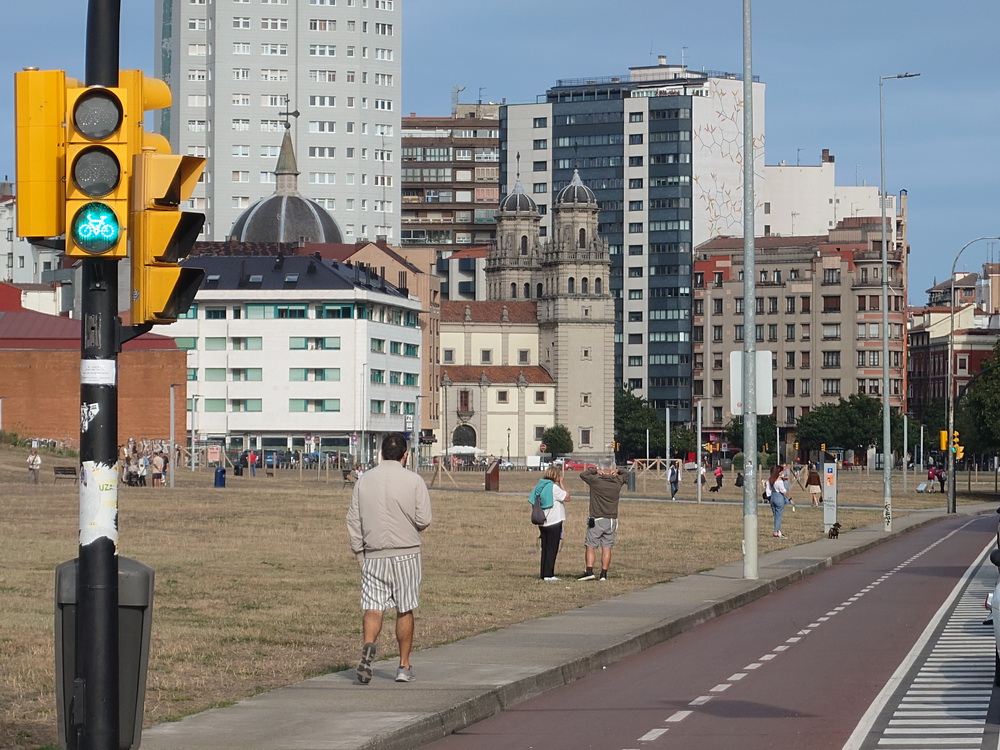
There were moments when we were completely lost as bikers between cars in traffic jams, where we were forced to risk crossing the road to somehow get out of this automobile chaos.
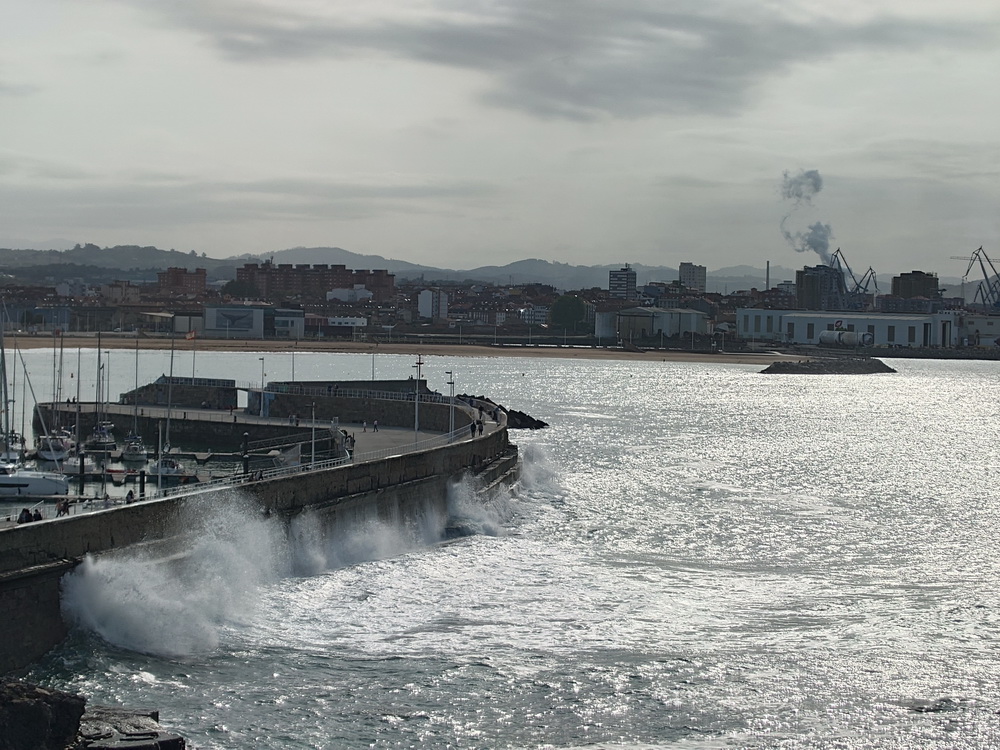
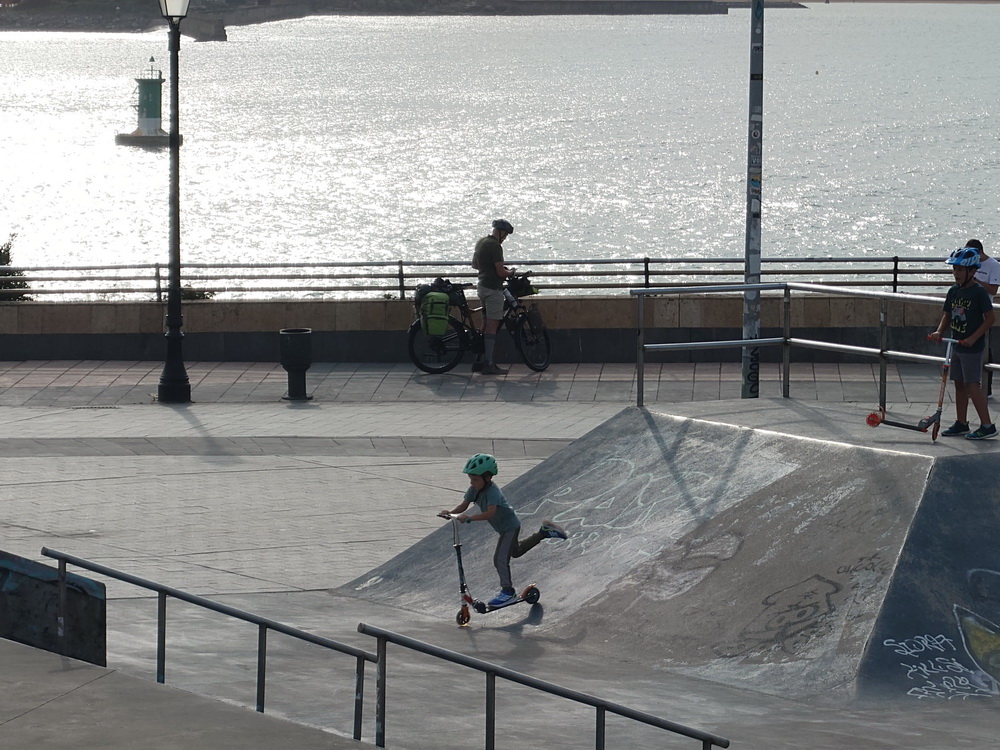
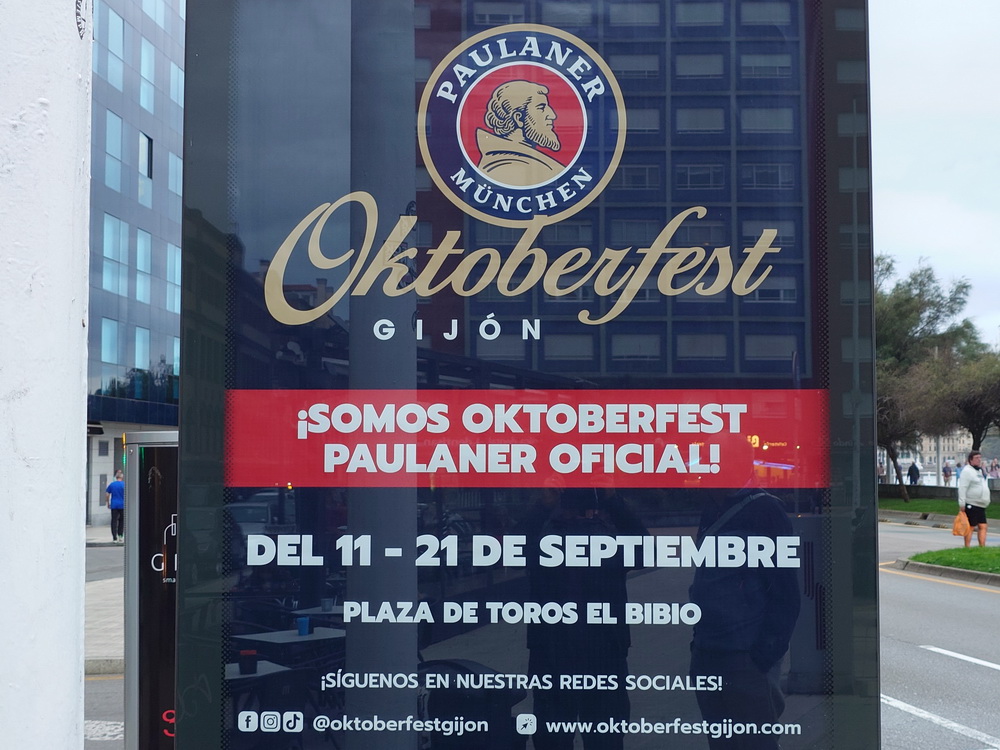
The search for bike lanes turned into a scavenger hunt. But once we were back on track we were able to follow the main bike route and zoom easily into the centre of Gijón. We reached the Casco Viejo and reached a great viewpoint at the old fort, which offered a huge skater park with splendid view over the bay to the west.
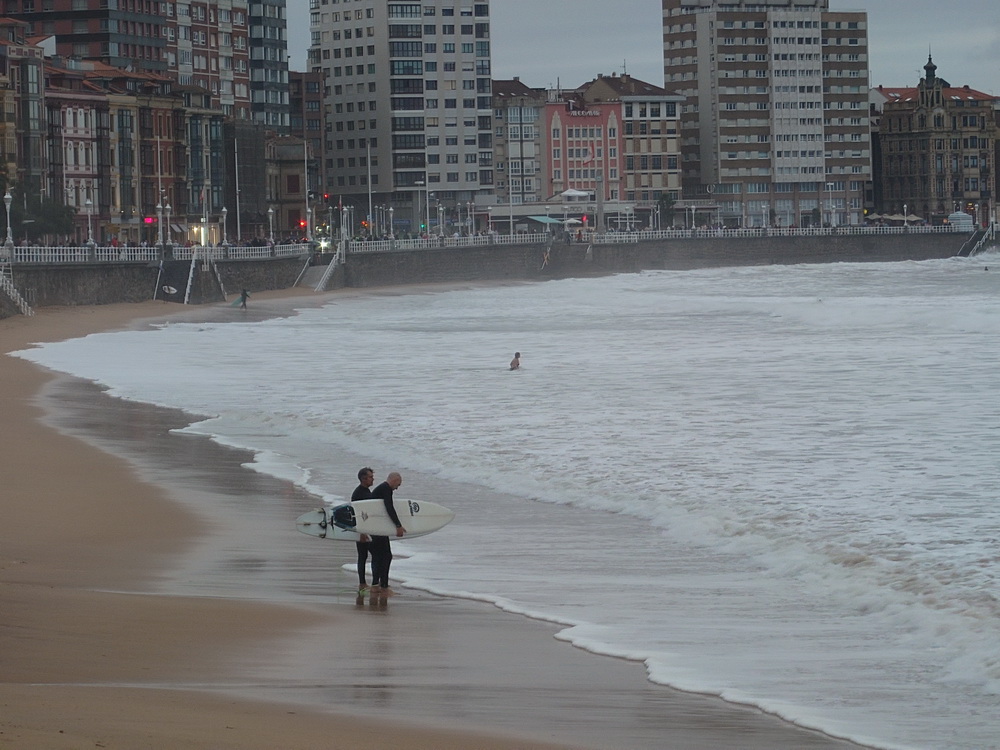
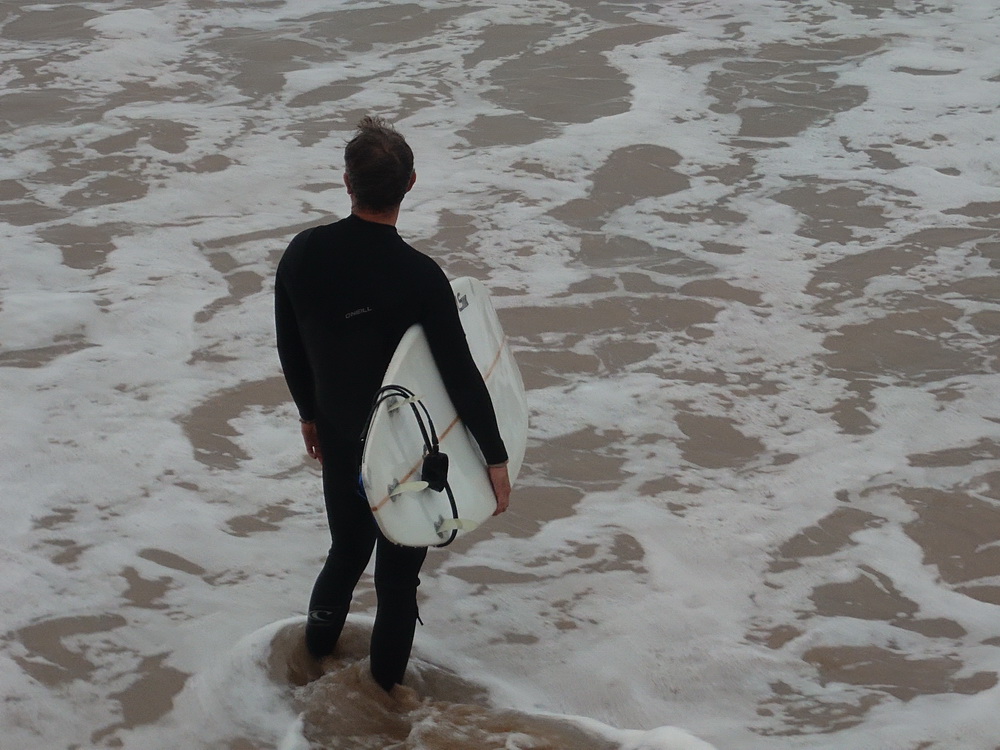
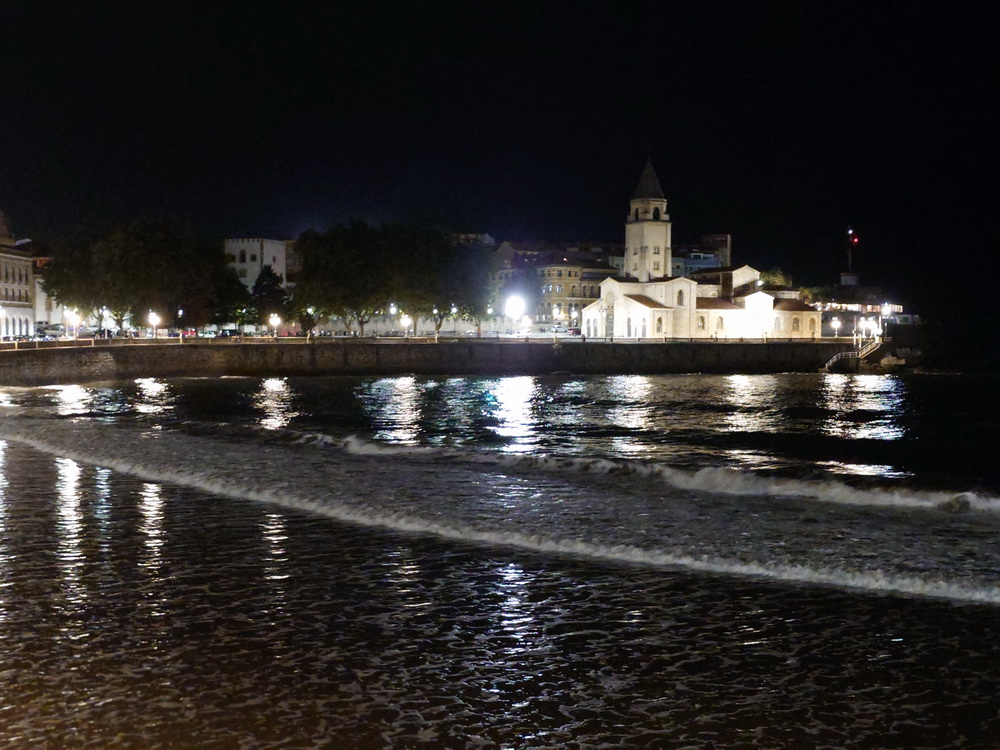
Robert was trying to find a place for us to stay online, which also offered a garage to store our bikes. He found the hotel “Principe de Asturias” which had rooms for a reasonable price on the next bay directly at the Playa de San Lorenzo, a long stretched bay where all the surfers from the city walked directly to the sandy beach to catch some waves.
What a great place. It also was known for its good seafood, but prices were quite high.
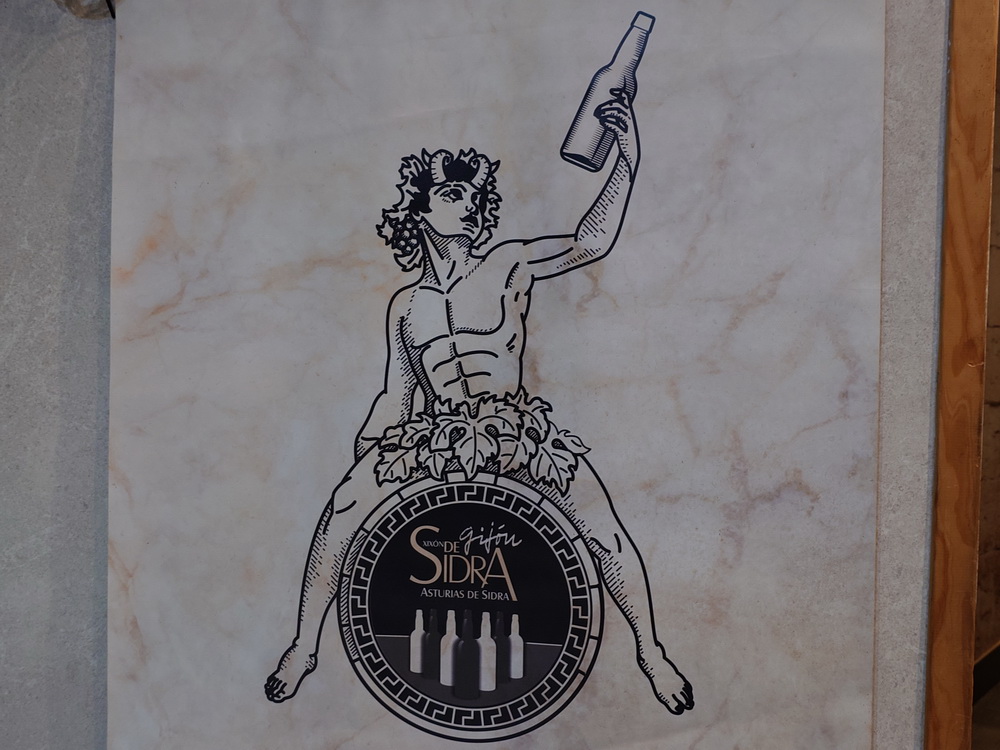
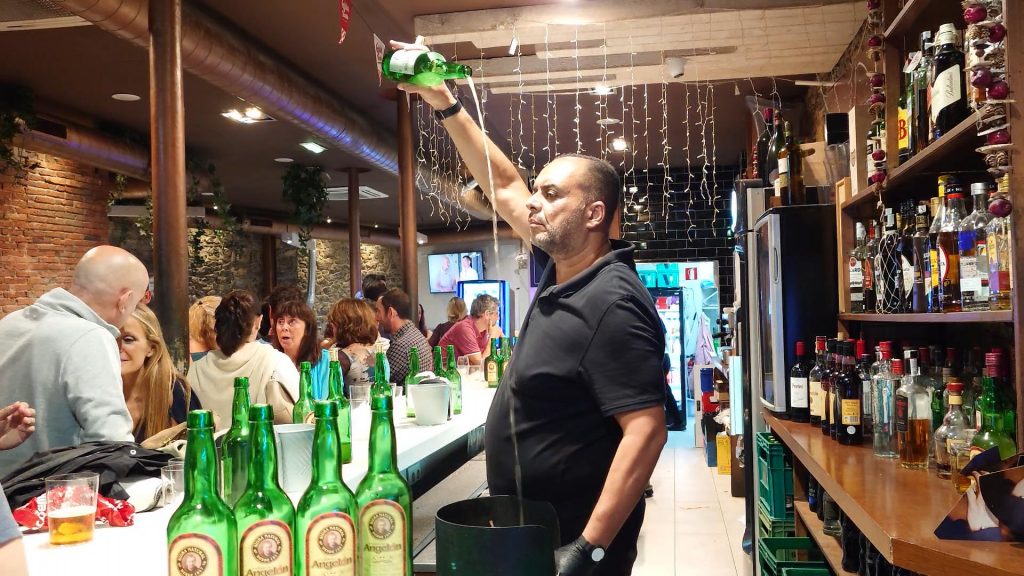
Something new to discover this area is known for was the cider, which was served in a very unique technique. The bartender had a kind of metal shield which kept the splash from hitting the clients. The artistical show started with the bottle being held up high above the head in the right hand, to be quickly turned in such a way that the cider formed a long arch reaching the glass in the left hand, which is held really low to allow the cider to catch as much oxygen as possible on its way through the air.
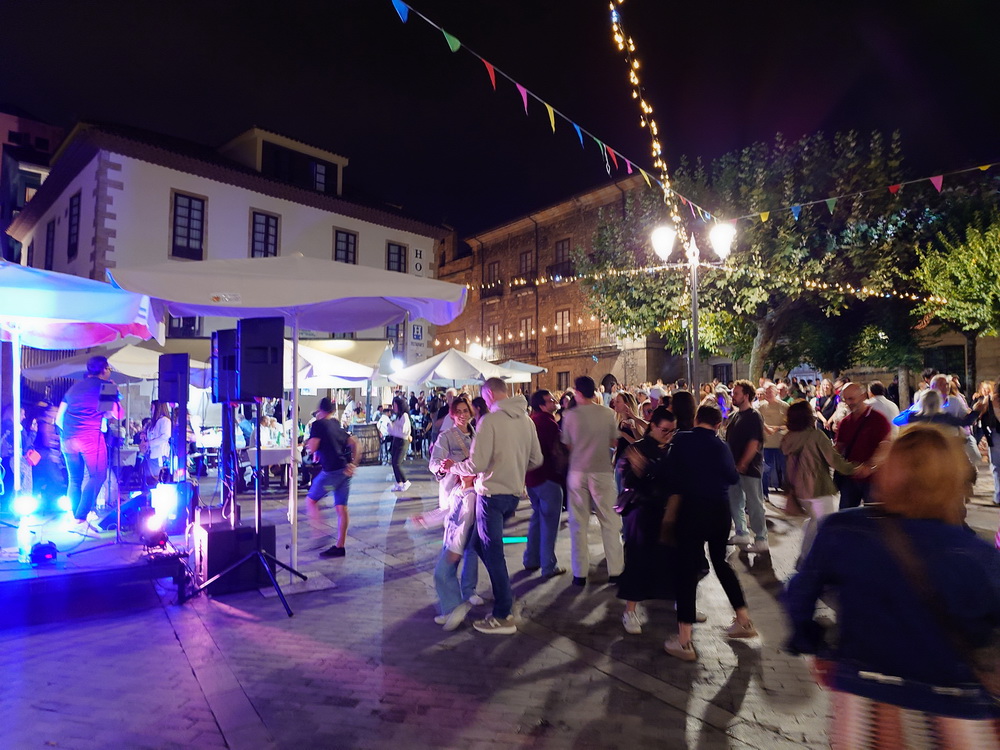
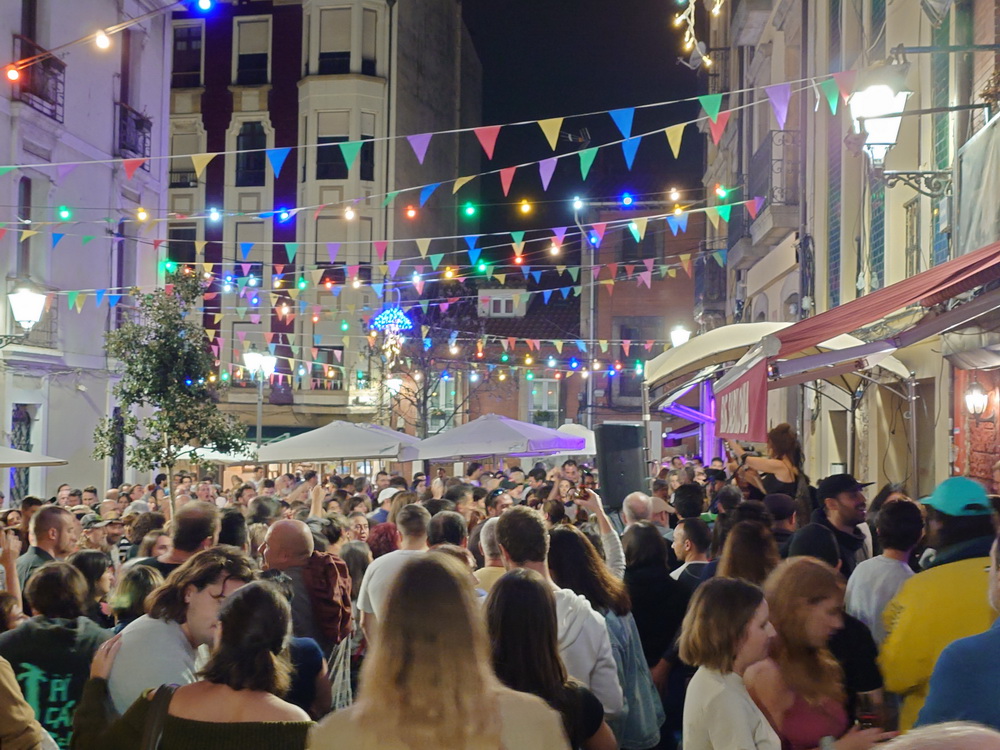
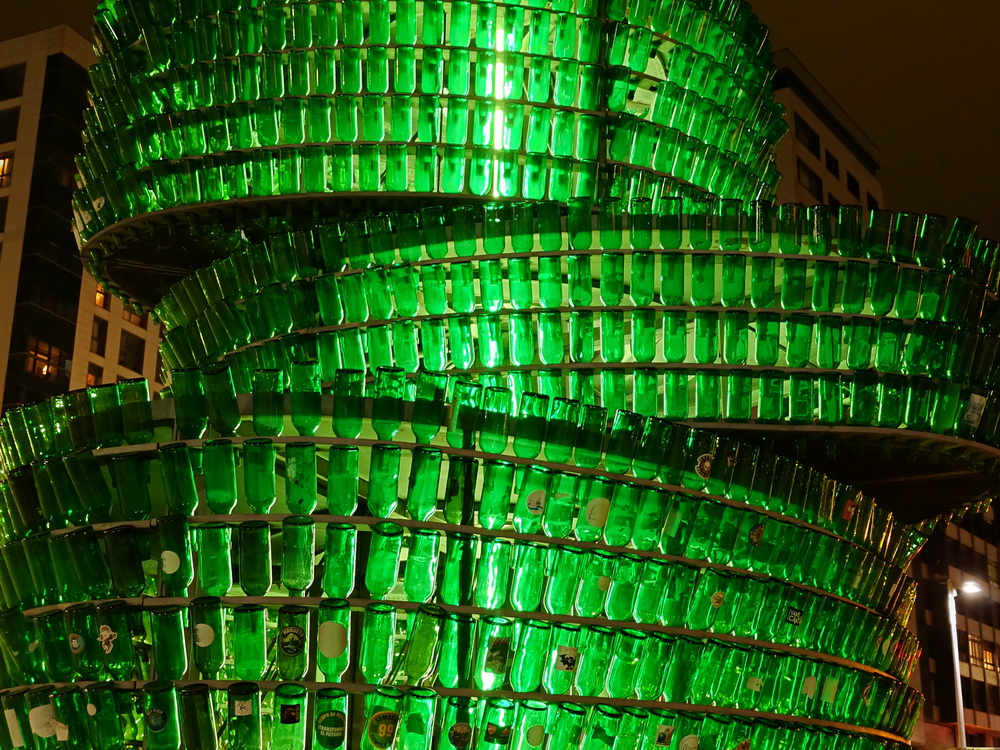
It was really loud and we were overwhelmed by so many people around us, when I suddenly got a call from a British number and it was Tom Williams, the president of our Rotary Partner Club in Mumbles in Wales. With this connection we finally had a new goal to reach on our “Less-is-More-Tour” on our way through Britain. But that was still in the future. Now we just enjoyed being in this Spanish city full of life with free outdoor concerts in every road and plaza. It was so full of energy and our turning point of our night walk was the cider bottle sculpture on the harbour side on the opposite side of the Casco Viejo.